Has the United States Entered a New War? A Closer Look at Diplomacy, Military Operations, and Misinformation in 2026
In recent weeks, social media platforms have been flooded with alarming headlines and viral posts claiming that the United States has “entered a new war.” Dramatic language, selective video clips, and unverified rumors have fueled anxiety among the public. While these claims tap into genuine concerns about global instability, a review of verified information from government statements, diplomatic records, and credible reporting reveals a more nuanced picture. The United States is deeply engaged in international affairs through military readiness, strategic partnerships, and active diplomacy—but there has been no formal declaration of war by Congress.
Understanding this distinction is vital. In an era of rapid information spread, separating fact from exaggeration helps citizens interpret events responsibly rather than reacting to fear-driven narratives. This article explores the current diplomatic landscape involving Russia-Ukraine and U.S.-Iran relations, the evolution of modern military engagements, domestic security considerations, and the persistent challenge of online misinformation.
Diplomatic Engagement in the Russia-Ukraine Conflict
The Russia-Ukraine war, now in its fourth year, remains one of the most significant geopolitical challenges of our time. Despite continued fighting on the ground—including Russian advances in parts of Donbas and Ukrainian drone strikes deep into Russian territory—diplomatic channels have stayed open. In early 2026, officials from the United States, Russia, and Ukraine participated in trilateral discussions hosted in the United Arab Emirates. These talks, held in Abu Dhabi, marked a rare direct format involving all three parties since the full-scale invasion began in 2022.
According to briefings from participants, the meetings focused on potential cease-fire frameworks, energy infrastructure protection, prisoner exchanges, and humanitarian corridors. U.S. representatives emphasized the need for a “just and lasting peace” that respects Ukraine’s sovereignty while addressing Russian security concerns—a delicate balancing act. Russian and Ukrainian delegations presented competing visions, yet the very existence of these talks signals that communication has not collapsed entirely.
Experts in international relations note that such diplomacy during active conflict is standard practice. Historical precedents include backchannel negotiations during the Vietnam War, the Korean War armistice talks, and multiple rounds of Israel-Hamas or Israel-Hezbollah mediated discussions. Diplomacy does not equal resolution; it serves as a tool to manage escalation risks, test intentions, and lay groundwork for future agreements. In the current case, fighting persists even as negotiators meet, illustrating the dual reality of combat and conversation coexisting.
The United States continues providing military aid to Ukraine—primarily through weapons systems, intelligence sharing, and training—while simultaneously supporting diplomatic initiatives. This dual-track approach reflects a strategy of strengthening Ukraine’s negotiating position on the battlefield while keeping the door open for talks. As of mid-2026, no comprehensive peace deal has emerged, but incremental progress on issues like grain exports and energy security remains possible.
U.S.-Iran Relations: Tension and Dialogue
Another flashpoint centers on Iran. Following heightened tensions in late 2025 and early 2026—including incidents involving shipping in the Strait of Hormuz and Iranian nuclear advancements—indirect negotiations took place, mediated initially in Oman and later involving broader formats. These talks addressed Iran’s nuclear program, regional proxy activities, sanctions relief, and maritime security.
U.S. officials described certain rounds as “constructive,” with both sides expressing interest in de-escalation to avoid broader regional instability. Oman’s role as a neutral facilitator proved valuable, leveraging its longstanding relationships with Washington and Tehran. Topics reportedly included limits on uranium enrichment, inspections by the International Atomic Energy Agency (IAEA), and confidence-building measures in the Persian Gulf.
Yet this dialogue occurs against a backdrop of significant military activity. In February 2026, the United States and Israel conducted targeted strikes on Iranian nuclear and military facilities in response to perceived imminent threats. These operations were limited in scope compared to a full-scale invasion but involved precision airstrikes, cyber elements, and naval positioning. The Trump administration later notified Congress that active hostilities had concluded within the timeframe outlined by the War Powers Resolution, though U.S. forces maintain a strong deterrent presence in the region.
This sequence—military action followed by renewed talks—highlights a classic diplomatic pattern: using strength to create conditions for negotiation. Iran has faced internal economic pressures and regional isolation, providing incentives for dialogue, while the U.S. prioritizes preventing a nuclear-armed Iran without committing to endless conflict. The situation remains fluid, with risks of renewed escalation if talks stall, but communication channels demonstrate restraint rather than all-out war.
The Nature of Modern Military Operations
To contextualize these developments, it is essential to understand how contemporary military engagements differ from traditional wars. Historically, nations issued formal declarations of war to mobilize entire societies for prolonged, existential conflict. The United States last did so during World War II, with declarations against Japan, Germany, and Italy in 1941–1942.
Since then, U.S. military actions have relied on different legal and practical foundations: congressional Authorizations for Use of Military Force (AUMFs), executive orders under Article II powers, NATO invocations, or UN mandates. Examples include the Korean War (1950), Vietnam, the 1991 Gulf War, post-9/11 operations in Afghanistan and Iraq, and actions against ISIS. These were substantial but not formally “declared wars” in the constitutional sense.
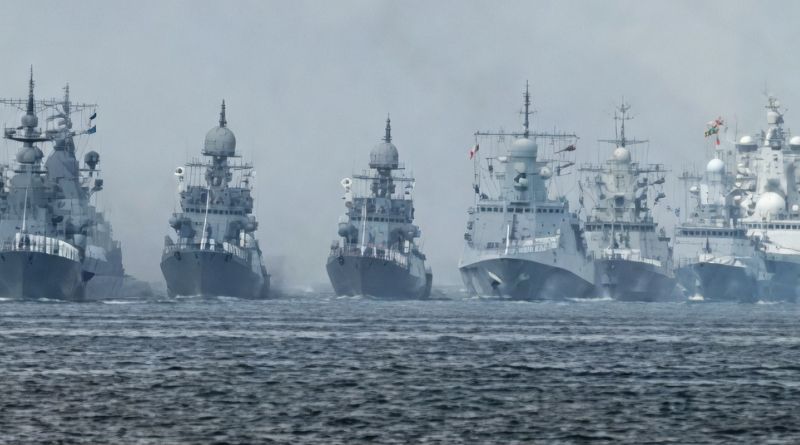
Today’s operations tend to be limited in scope, targeted at specific objectives (such as degrading capabilities or deterring aggression), coalition-supported, and conducted with advanced technology—drones, precision munitions, cyber tools, and special forces. This shift reflects changes in international law (including the UN Charter’s restrictions on aggressive war), the nature of threats (non-state actors, hybrid warfare), and domestic political realities that make full declarations rare.
The recent actions involving Iran fit this model: significant but not a total war mobilization. Similarly, U.S. support for Ukraine involves aid and sanctions rather than direct combat troops in large numbers. These distinctions matter because equating them to a “new world war” misrepresents scale and intent, potentially undermining public understanding and policy support.
Domestic Security and Broader Context
Internationally focused developments intersect with domestic priorities. Recent incidents in Minnesota—including federal investigations into large-scale fraud schemes, cyber disruptions, and localized law enforcement operations involving immigration enforcement—have heightened public attention. While managed primarily at state and local levels, such events feed into national security discussions around border security, critical infrastructure protection, and social cohesion.
Authorities emphasize proportionate responses focused on rule of law and public safety. These domestic matters do not constitute “war” but illustrate how global tensions can amplify internal divisions and vice versa.
The Challenge of Misinformation
Much of the “new war” rhetoric originates from social media amplification. Common patterns include unsourced claims, decontextualized footage, emotional language (“World War 3 has begun”), and conspiracy-oriented framing. In a fragmented information environment, algorithms reward engagement over accuracy, allowing oversimplifications to spread faster than nuanced analysis.
Responsible consumption requires cross-verification with primary sources: White House briefings, State Department readouts, congressional records, and established outlets like Reuters, AP, or BBC. Experts stress that while skepticism of official narratives is healthy, outright rejection of verified facts in favor of viral anecdotes is counterproductive.
The Enduring Role of Diplomacy
Diplomacy remains indispensable. Recent U.S.-involved talks with Russia, Ukraine, and Iran aim to reduce misunderstandings, prevent accidental escalation, build trust where possible, and explore mutually acceptable outcomes. Even limited successes—such as prisoner swaps or temporary pauses in strikes—can save lives and create space for broader resolutions.
Military readiness and diplomacy are not opposites; they reinforce each other. Strength provides leverage, while talks offer alternatives to endless fighting. This combination defines 21st-century statecraft.
Why the Distinction Between “War” and Operations Matters
Labeling limited engagements as full “wars” can generate unnecessary panic, erode trust in institutions, and complicate policy. A formal declaration typically implies large-scale societal mobilization, sustained combat across multiple theaters, and clear legal commitments. Current U.S. activities align more closely with strategic deterrence, defensive posturing, targeted responses, and parallel negotiations.
Clarity on these terms empowers better civic discourse and more informed public pressure on leaders.
Key Takeaways and Conclusion
- No formal congressional declaration of war has occurred in 2026.
- Active diplomacy in Ukraine and Iran coexists with military operations and readiness.
- Modern conflicts are often limited, hybrid, and managed through authorizations rather than declarations.
- Domestic incidents require careful handling but should not be conflated with international war.
- Verifying information from credible sources is essential amid rampant online misinformation.
The United States navigates a complex global environment marked by persistent tensions but also deliberate efforts at management and de-escalation. While risks remain—particularly in Europe and the Middle East—exaggerated claims of a brand-new war do not accurately reflect the documented reality. In a fast-moving information age, context, nuance, and verification serve as the best defenses against fear and confusion. Staying informed through diverse, evidence-based sources allows citizens to engage thoughtfully with the challenges of our time rather than being swept up in sensationalism.