Federal Election Interference Case Against Donald Trump Dismissed
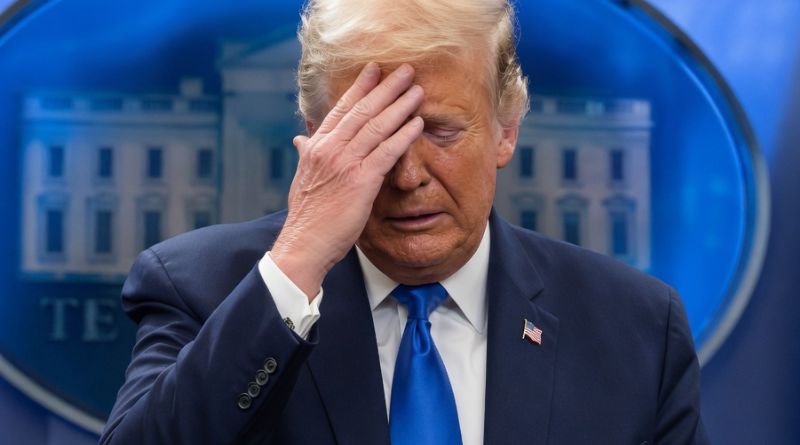
Prosecutors, led by Special Counsel Jack Smith, charged former President Donald Trump in August 2023 with four felony counts stemming from his efforts to challenge the 2020 presidential election results. The indictment alleged a coordinated scheme to obstruct the lawful transfer of power, including conspiracy to defraud the United States, obstruction of an official proceeding, and conspiracy against rights. Prosecutors claimed Trump and unnamed co-conspirators spread false claims of widespread fraud, pushed alternate slates of electors in seven states, pressured Vice President Mike Pence and state officials, and sought to misuse the Justice Department to alter the outcome.
Trump’s legal team denounced the charges as politically motivated lawfare designed to interfere with his 2024 campaign. They argued that his actions constituted protected political speech, legitimate advocacy for election integrity, and official conduct shielded by presidential immunity. The defense highlighted First Amendment concerns, selective prosecution, and the absence of any violent directive from Trump.
The case faced significant legal hurdles. In July 2024, the Supreme Court ruled that former presidents enjoy absolute immunity for core constitutional acts and presumptive immunity for official ones, forcing prosecutors to revise their approach. Following Trump’s decisive victory in the November 2024 election, Smith moved to dismiss the case without prejudice, citing Department of Justice policy against prosecuting a sitting president. U.S. District Judge Tanya Chutkan approved the dismissal in late November 2024.
The proceedings underscored deep constitutional tensions: the balance between accountability for alleged abuses of power and the risk of criminalizing political dissent in contested elections. While critics viewed the case as essential to defending democratic norms, supporters saw it as an unprecedented weaponization of federal law against a political opponent. With the federal case now closed, attention shifts to historical judgment and the electorate’s verdict rather than a criminal trial. The episode leaves lasting questions about presidential conduct, prosecutorial discretion, and the stability of democratic transitions in polarized times.