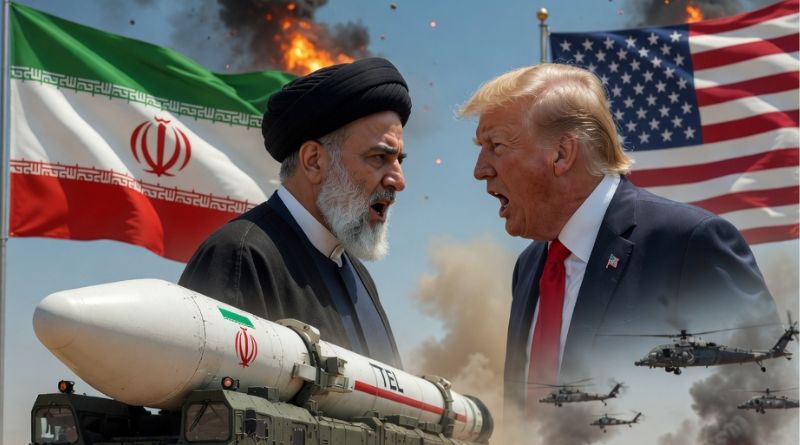
Tensions in the Middle East Reach Boiling Point as Unconfirmed Strikes Hit Israel
In early 2025, the Middle East stands on the brink of a dangerous escalation. Israel finds itself at the center of a rapidly unfolding crisis, with widespread but unconfirmed reports of coordinated strikes targeting its territory. The information remains murky, drawn from varied and often contradictory sources, yet the emerging pattern is difficult to dismiss. Explosions, unusual aerial activity, and heightened alert levels have fueled speculation that something significant is occurring—and unfolding at alarming speed.
Eyewitness accounts from several locations describe multiple detonations and streaks of light across the night sky. Social media platforms have filled with videos and photos purporting to show defensive missile interceptions and distant blasts. Israeli defense officials are working urgently to verify the origins and scale of the incidents, while intelligence agencies scramble to separate fact from misinformation in an environment where rumors spread faster than verified updates.
Analysts point to two primary possibilities. Some suspect a foreign state actor operating through proxies or covert channels, while others highlight militant groups seeking to capitalize on the region’s deepening instability. Both scenarios fit the current landscape of proxy conflicts, fractured ceasefires, and resurgent rivalries. The timing could hardly be more perilous. Months of fragile truces have collapsed, long-standing animosities have reignited, and shifting alliances have created a volatile atmosphere where any single incident risks igniting a wider confrontation.
Israel, long accustomed to operating at the epicenter of regional volatility, is once again preparing for potential blowback. Security experts describe the situation as a powder keg awaiting a spark. Competing powers continue to test boundaries, militant organizations are probing for weaknesses, and diplomatic channels are stretched thin. A confirmed attack on Israeli soil—whether limited or large-scale—would carry consequences extending far beyond its borders, potentially drawing in multiple nations and reshaping the strategic balance across the region.
The broader context only heightens concern. Iran, Lebanon, Syria, Yemen, and a web of non-state militias each bring their own agendas, capabilities, and external backing into the equation. Some actors operate openly through rocket barrages or drone swarms, while others prefer shadowy operations. Intelligence networks across the region and beyond are operating at full capacity to determine whether these reported strikes represent isolated provocations or the opening salvo of a more coordinated campaign.
Military leaders in Israel are reviewing a range of response options, balancing the need for deterrence with the risk of miscalculation. Distinguishing genuine threats from deliberate disinformation campaigns has become increasingly difficult in the digital age. A hasty reaction could trigger an uncontrollable spiral, while excessive caution might invite further aggression. The weight of this decision rests heavily on those responsible for national security.
Diplomats from major powers are urging restraint and calling for de-escalation, yet many analysts warn that retaliation, if warranted, could quickly broaden the conflict. International observers watch developments with mounting anxiety, preparing contingency plans should the situation deteriorate. Citizens across the region report tightened border controls, heightened air defenses, and a pervasive sense of unease. News outlets have shifted to continuous coverage, amplifying both information and speculation.
The coming hours and days will prove critical. Israel must first establish with confidence what exactly occurred and who bears responsibility. That assessment will shape its response and set the tone for regional reactions. Will restraint prevail and allow space for diplomacy, or will retaliation deepen the cycle of violence? International actors will likely pressure all sides toward calm while positioning themselves according to their interests.
For now, uncertainty dominates. Families huddle near radios and screens, military strategists model scenarios, and global leaders deliberate their next moves. The Middle East, a region no stranger to historic turning points, once again finds itself confronting the possibility of profound change—whether toward catastrophic escalation or a hard-won return to fragile stability remains to be seen.
The only certainty is that decisions made in the immediate future will reverberate for years to come. In a landscape defined by unresolved grievances, powerful rivalries, and sophisticated military capabilities, the margin for error has never been narrower. The world watches closely as Israel navigates this latest wave of uncertainty, hoping that reason and measured judgment can prevent the region from sliding into a broader and far more destructive conflict.