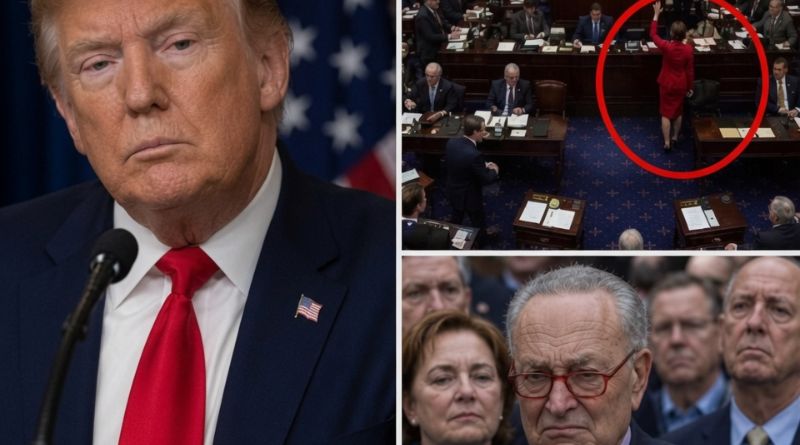
The U.S. Senate this week passed bipartisan legislation designed to combat the illegal export and smuggling of American-made semiconductors, particularly those flowing into China, by establishing a robust whistleblower reward program.
The Stop Stealing Our Chips Act, sponsored by Sen. Mike Rounds (R-SD) and cosponsored by Sen. Mark Warner (D-VA), now heads to the House of Representatives for further action. If enacted, the measure would mark a significant enhancement to U.S. export control enforcement amid escalating national security concerns over advanced technology transfers to strategic competitors.
“I look forward to working with our colleagues in the House to get this important legislation through Congress and to President Trump’s desk to be signed into law,” Rounds said in a statement following the Senate vote.
Rounds originally introduced the legislation in April 2025 as S. 1473. The bill amends the Export Control Reform Act to create a dedicated whistleblower incentive program at the Bureau of Industry and Security (BIS) within the U.S. Department of Commerce. BIS is the primary federal agency responsible for implementing and enforcing export controls on dual-use technologies, including semiconductors critical to both commercial and military applications.
“The United States has taken extensive measures to prevent American-made semiconductors from falling into the wrong hands, particularly China; however, China continues to smuggle these chips into their country,” Rounds stated. He emphasized that the rapid acceleration of artificial intelligence (AI) development has transformed the issue into “a grave national security concern.”
Under the proposed program, BIS would establish a secure, public platform for whistleblowers to submit tips on suspected violations. A special fund, financed entirely by fines collected from export control penalties, would reward individuals who provide original, actionable information leading to successful enforcement actions. Eligible whistleblowers could receive between 10 and 30 percent of the collected fines, subject to exclusions for known terrorists, criminals, and federal employees acting within the scope of their official duties.
Additional protections include strict confidentiality safeguards and anti-retaliation measures to encourage reporting. Whistleblowers would receive status updates every 30 days, with credible submissions triggering formal inquiries within 60 days. Any unspent funds from the penalty pool would be remitted to the U.S. Treasury.
The legislation reflects growing bipartisan alarm over China’s efforts to circumvent U.S. export restrictions on advanced chips used in AI, supercomputing, and military systems. Despite multiple rounds of tightened controls in recent years, enforcement challenges persist due to complex supply chains and sophisticated smuggling networks.
The Senate’s action comes shortly after President Donald Trump’s high-stakes summit in Beijing earlier this month. During the visit — Trump’s first to China since 2017 — Chinese President Xi Jinping agreed to purchase 200 Boeing jets, a deal Trump described as exceeding expectations.
In an exclusive interview with Fox News host Sean Hannity, Trump characterized his discussions with Xi as “very good.” The agreement, which includes prominent American business leaders in the delegation such as Boeing CEO Kelly Ortberg, arrives amid ongoing tensions involving trade, artificial intelligence, Taiwan, and the broader geopolitical fallout from the recent conflict with Iran.
Ortberg had previously expressed confidence that high-level engagement could yield significant aircraft orders for Boeing. Some earlier reports suggested China had initially considered purchasing up to 500 of the 737 MAX aircraft.
Separately, President Trump announced plans for the National Garden of American Heroes, to be located in West Potomac Park in Washington, D.C. “This magnificent exhibition of statues will be located in West Potomac Park, which we are transforming into one of the World’s most beautiful public spaces,” Trump stated.
The whistleblower bill underscores a continued emphasis on protecting U.S. technological superiority while fostering accountability in export compliance. Supporters argue it will strengthen enforcement without imposing new regulatory burdens on legitimate businesses. As the legislation advances in the House, lawmakers from both parties are expected to weigh its potential impact on national security, innovation, and international trade relations.