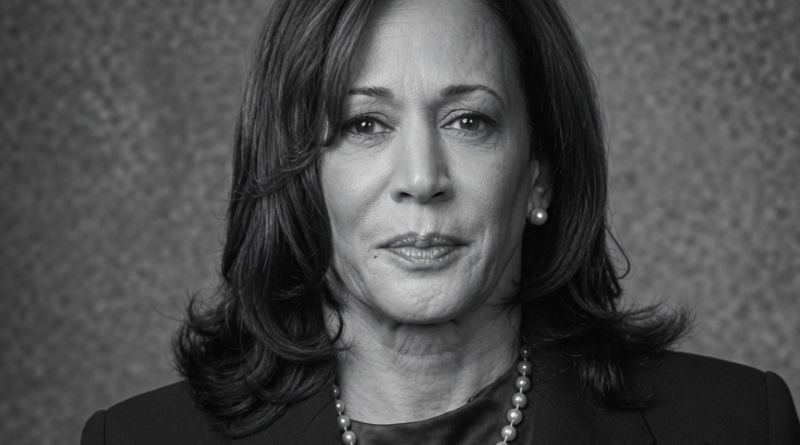
Months after her decisive defeat by Donald Trump, Kamala Harris’s failed 2024 presidential campaign continues to spark intense scrutiny and internal recriminations among Democrats. A growing body of post-election analysis from insiders reveals deep divisions over what went wrong, with fingers pointed at flawed strategy, messaging missteps, and a failure to adapt to a shifting political landscape.
While some allies initially blamed the timing of President Joe Biden’s late withdrawal from the race, others quickly dismissed that explanation as detached from reality. Instead, several former staffers offered a more candid assessment: the campaign fundamentally misunderstood the electorate and never fully adjusted its approach to the new dynamics of a Harris-led ticket.
According to multiple insiders, problems surfaced early. The team assumed strong underlying support from traditional Democratic coalitions without conducting sufficient verification through polling or on-the-ground intelligence. Rather than treating the contest as a fresh race requiring a distinct strategy, advisers treated Harris’s candidacy as a direct continuation of the Biden administration’s agenda. This lack of adaptation proved costly as voter sentiment shifted.
Optimism frequently overshadowed hard data, creating dangerous blind spots in critical battleground regions. As momentum waned, internal blame intensified. Staffers later acknowledged that the campaign never truly connected with key voter groups, including working-class families, rural communities, and segments of the Latino electorate that showed signs of realignment toward Republicans.
Willie Brown Delivers Sharp Critique
One of the most pointed criticisms came from former San Francisco Mayor Willie Brown, a longtime Democratic power broker and early mentor to Harris. In interviews and public remarks, Brown argued that the campaign ignored painful lessons from previous Democratic defeats, particularly Hillary Clinton’s loss to Trump in 2016.
“They didn’t question assumptions,” Brown said. He added that the team repeated earlier mistakes by failing to confront uncomfortable realities and overlooked warning signs throughout the cycle. Brown’s comments, delivered with characteristic bluntness, reflected widespread frustration rather than personal animosity. He described a pattern of hubris that prevented the campaign from making necessary course corrections.
Messaging and Identity Struggles
Beyond organizational issues, the Harris campaign grappled with significant messaging and identity challenges. Strategists attempted to appeal simultaneously to multiple constituencies — progressives, moderates, minorities, and suburban women — but this broad-tent approach often diluted her central message. Voters frequently expressed confusion about whether Harris represented continuity with Biden’s policies or a genuine break toward something new.
Significant time and resources were devoted to defending the Biden administration’s record on inflation, border security, and foreign policy, which limited opportunities for Harris to define herself independently. Mixed signals weakened her appeal at a time when voters sought clear, decisive leadership.
In stark contrast, Trump’s campaign maintained a consistent, sharply targeted message. His rallies consistently drew large, energetic crowds, while his team effectively portrayed Harris as inexperienced, disconnected from everyday concerns, and overly aligned with progressive elites. This narrative gained traction, particularly in the campaign’s final stretch, shifting momentum decisively in Trump’s favor.
Late Adjustments and Emotional Toll
The final weeks exposed critical strategic gaps. Insiders described the operation as increasingly improvised, with limited attention paid to key battleground states until it was too late. Outreach to rural voters, Latino communities, and younger demographics felt reactive rather than proactive. Local concerns in pivotal areas were often overshadowed by broad national themes, preventing the campaign from regaining lost ground.
Reports from election night described a deeply personal and emotional reaction from Harris as unfavorable results poured in. She was seen wiping away tears amid the realization of defeat — a moment that carried both political and symbolic weight for the first woman of color nominated by a major party.
Supporters across the country expressed empathy, but behind the scenes, Democrats have begun a painful period of reflection. Brown’s critique has echoed broader concerns within the party, with many calling for a more realistic and data-driven approach in future campaigns.
As Democrats look ahead to 2028 and beyond, the Harris loss serves as a cautionary tale. The analysis underscores the importance of questioning assumptions, adapting to voter realities, and crafting clear messages that resonate beyond traditional bases. Without addressing these strategic shortcomings, party leaders warn, similar challenges could persist in the years to come.