No Credible Evidence Supports Claims of New Assassination Attempt on President Trump
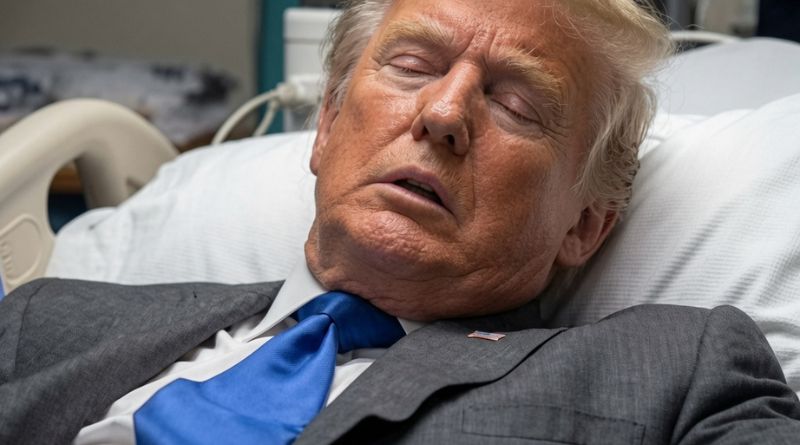
Washington, D.C. — June 23, 2026 — As viral videos and social media posts circulate with alarming headlines claiming President Donald Trump has been “shot again” in Washington, D.C., or elsewhere, major news organizations report no such incident has occurred. Trusted outlets including the Associated Press, Reuters, BBC, The New York Times, and The Washington Post have issued no breaking alerts or confirmations of any shooting involving the president in recent hours or days.
In an era where information travels at unprecedented speed, distinguishing fact from sensationalism remains critical. Claims amplified on platforms like YouTube, X, Facebook, and TikTok often rely on dramatic titles — such as “20 Minutes Ago: Shock in D.C.: President Donald Trump Shot AGAIN…” — designed primarily to drive clicks and engagement rather than convey verified news. Without corroboration from official sources or established journalism, these reports warrant skepticism.
The Sole Confirmed Recent Shooting: Butler, Pennsylvania, July 13, 2024
The only verified assassination attempt on Trump in recent years took place on July 13, 2024, during a campaign rally at the Butler Farm Show Grounds in Butler, Pennsylvania. Then-candidate Trump was speaking when 20-year-old Thomas Matthew Crooks opened fire from a rooftop approximately 130 yards away using an AR-15-style rifle. Trump was grazed in his right ear, sustaining a minor injury that produced the now-iconic image of him raising his fist amid the chaos.
The attack resulted in the tragic death of Corey Comperatore, a 50-year-old former fire chief and rally attendee who shielded his family. Two other spectators, David Dutch and James Copenhaver, were critically injured. The Secret Service neutralized Crooks at the scene. The incident prompted immediate investigations by the FBI, congressional task forces, and internal Secret Service reviews, highlighting lapses in communication, perimeter security, and threat assessment.
Trump was quickly treated and released, later describing the moment as divine intervention. The event unified much of the nation in condemnation of political violence, though it also fueled intense partisan debates and conspiracy theories online. One year later, the Secret Service detailed reforms including enhanced training, technology upgrades, and better inter-agency coordination to prevent repeats.
Subsequent Security Incidents Involving Trump or His Orbit
Since the Butler shooting, several other incidents have occurred, none of which resulted in Trump being wounded. These events have sometimes been conflated or misrepresented in online narratives:
- September 15, 2024, West Palm Beach, Florida: Ryan Wesley Routh was arrested after being spotted with a rifle near Trump International Golf Club while the former president was golfing. No shots were fired at Trump, and the suspect was apprehended.
- 2025 Incidents: Multiple threats and security scares emerged, including an off-duty New York police officer who allegedly infiltrated a security perimeter at a golf event. Broader reports noted elevated threat volumes against public officials amid heightened political tensions.
- February 2026, Mar-a-Lago: An armed individual breached the perimeter at Trump’s Florida residence; the Secret Service responded fatally. Trump was not present or injured.
- April 25, 2026, White House Correspondents’ Dinner: Gunshots were fired near the security checkpoint at the Washington Hilton during the event attended by Trump, First Lady Melania Trump, Vice President JD Vance, and others. Suspect Cole Tomas Allen, 31, was arrested and charged with attempted assassination and related offenses. Trump and officials were evacuated safely; no injuries to the president or his party were reported. The incident led to the dinner’s postponement and rescheduling.
These episodes underscore persistent security challenges facing high-profile political figures but do not support claims of additional direct shootings targeting Trump himself.
The Anatomy of Viral Misinformation
The rapid spread of false “Trump shot again” narratives exemplifies broader patterns in digital information ecosystems. Content creators exploit emotional triggers — fear, outrage, urgency — to boost algorithms favoring high-engagement material. Recycled footage from the 2024 Butler rally, decontextualized audio, or AI-generated imagery often accompanies these posts, lending an air of authenticity to fabrications.
Experts note that assassination-related stories have long been fertile ground for conspiracy theories, from historical events like the Kennedy assassination to modern incidents. In the immediate aftermath of real events, information vacuums or partial reports allow speculation to flourish before facts solidify. Platforms’ design amplifies this: sensational thumbnails and titles generate views, while corrections spread more slowly.
A 2024-2026 analysis of threat trends shows arrests for threats against public officials reaching record highs, reflecting polarized discourse. However, this environment also incentivizes bad actors to manufacture drama for profit or influence. Fact-checkers across outlets consistently debunk unverified claims, urging reliance on primary sources: official White House statements, Secret Service briefings, and rigorous journalism.
Recent Context and Trump’s Public Schedule
As of June 23, 2026, coverage of President Trump centers on policy initiatives, diplomatic engagements (including ceasefire discussions involving Thailand and Cambodia), veterans’ issues, and domestic governance. He has addressed recent security concerns publicly but remains focused on his administration’s agenda. No active investigations or alerts reference a new attack today.
The Secret Service maintains heightened protocols following past incidents, balancing the president’s public role with robust protection. Officials emphasize that any genuine attempt on a sitting president would trigger immediate, transparent national response protocols, including unified messaging from federal agencies.
Navigating Information in a Digital Age
Journalists and researchers stress several best practices for consumers:
- Prioritize Primary Sources: Seek confirmation from wire services (AP, Reuters) and major broadcasters before sharing.
- Check Timestamps and Context: Viral videos frequently repurpose old footage.
- Look for Consensus: Extraordinary claims require extraordinary evidence across ideological lines.
- Understand Platform Incentives: Engagement-driven models reward speed over accuracy.
This phenomenon is not new but has intensified with social media. Studies show misinformation about high-stakes events can influence public perception, erode trust in institutions, and even incite further unrest if left unchecked.
In conclusion, while the United States continues to grapple with political violence and the challenges of securing leaders in an open democracy, current evidence firmly indicates President Donald Trump has not been shot in any new incident. The 2024 Butler attempt remains the singular confirmed direct attack in recent memory. As citizens navigate an information landscape rife with both genuine threats and manufactured ones, critical evaluation and patience for verified reporting serve as essential safeguards for democratic discourse.
Maintaining vigilance against real dangers while rejecting unfounded panic is vital. In a world where breaking news evolves rapidly, accuracy endures as the cornerstone of informed citizenship.