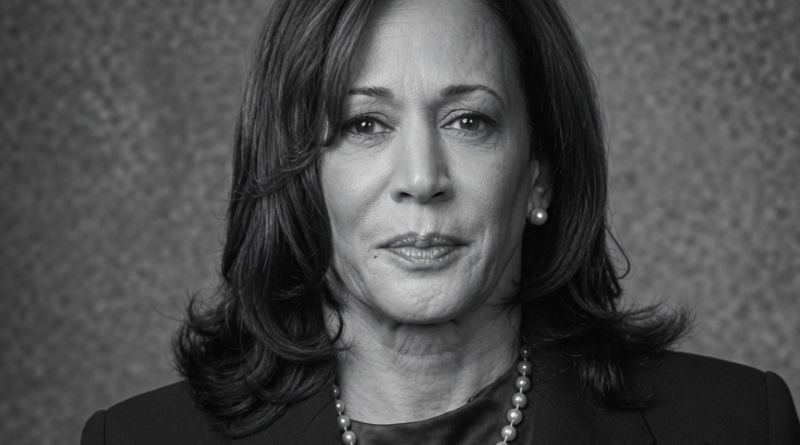
Months after her decisive defeat to Donald Trump, Kamala Harris’s presidential campaign continues to face intense internal scrutiny, with former aides and allies pointing to fundamental strategy failures that contributed to the loss. The post-election analysis has exposed sharp divisions within Democratic circles, as some insiders blame the timing of her entry into the race while others reject that explanation as insufficient.
Following President Joe Biden’s late withdrawal from the contest, Harris stepped in as the Democratic nominee under compressed circumstances. However, several former staffers offered a more candid assessment in recent interviews and internal reviews. They argued that the campaign fundamentally misunderstood the evolving political landscape from its earliest stages, treating the effort as a continuation of the existing Biden-Harris coalition rather than a distinct new race requiring fresh strategies.
Insiders described a team that operated on unverified assumptions of strong voter support. Optimism frequently outweighed hard data, creating significant blind spots in key battleground states and among critical demographic groups. Rather than adapting to shifting voter sentiments on issues like the economy, border security, and inflation, the campaign largely stuck to its initial playbook. “They didn’t question assumptions,” said former San Francisco Mayor Willie Brown, a longtime Democratic figure and former mentor to Harris. Brown drew direct parallels to Hillary Clinton’s 2016 loss, arguing that the team repeated familiar mistakes by failing to confront uncomfortable realities early on.
Messaging Struggles and Identity Challenges
The analysis also highlighted persistent messaging difficulties. Harris’s team attempted to appeal to a broad array of constituencies simultaneously — progressives, moderates, minorities, and suburban voters — but this approach often diluted the campaign’s central message. Voters were left uncertain about whether Harris represented continuity with the Biden administration or a genuine break toward new priorities.
Significant time and resources were devoted to defending Biden’s record on issues ranging from infrastructure to foreign policy, which limited efforts to define Harris on her own terms. As a result, mixed signals weakened her appeal. Strategists acknowledged in hindsight that the campaign struggled to craft a cohesive narrative that resonated beyond core Democratic strongholds.
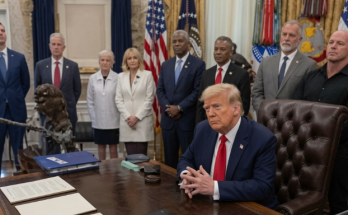
In contrast, Trump’s operation maintained a disciplined and consistent message throughout the cycle. His rallies consistently drew large, energetic crowds, and his campaign effectively framed Harris as inexperienced and disconnected from the concerns of working-class Americans. Trump’s targeted outreach to Latino voters, rural communities, and disaffected Democrats helped solidify his coalition, while Harris’s momentum steadily declined.
Late Adjustments and Missed Opportunities
The final weeks of the campaign exposed additional strategic gaps, according to multiple accounts. Key battleground states received uneven attention, and outreach efforts to rural and Latino voters were launched too late to make a meaningful impact. Support among young voters also eroded, as national messaging frequently overshadowed local priorities and pocketbook concerns.
Staffers described the closing stretch as increasingly improvised, with internal blame intensifying as polls tightened. By the time adjustments were attempted, the window for recovery had largely closed. Reports from election night captured the emotional toll: Harris was seen wiping away tears as unfavorable results rolled in, underscoring the personal weight of the defeat for the candidate and her inner circle.
Broader Implications for Democrats
Willie Brown’s public critique has resonated widely, reflecting broader frustration among some Democrats. He emphasized that the campaign overlooked warning signs and failed to learn from previous electoral setbacks. As the party conducts a more comprehensive postmortem, questions linger about coalition-building, voter outreach, and the ability to connect with working Americans in a polarized environment.
Harris’s loss has intensified ongoing debates within the Democratic Party about its future direction. Supporters expressed empathy and called for unity, yet behind-the-scenes reflections continue. Many analysts suggest the defeat serves as a cautionary tale about the dangers of overreliance on assumptions, insufficient adaptation, and messaging that fails to cut through in a fragmented media landscape.
As Democrats look ahead to future cycles, the Harris campaign’s experience highlights the critical need for realism, rigorous data-driven decision-making, and clearer identity definition. The internal divisions and strategic missteps are likely to shape discussions for years to come.