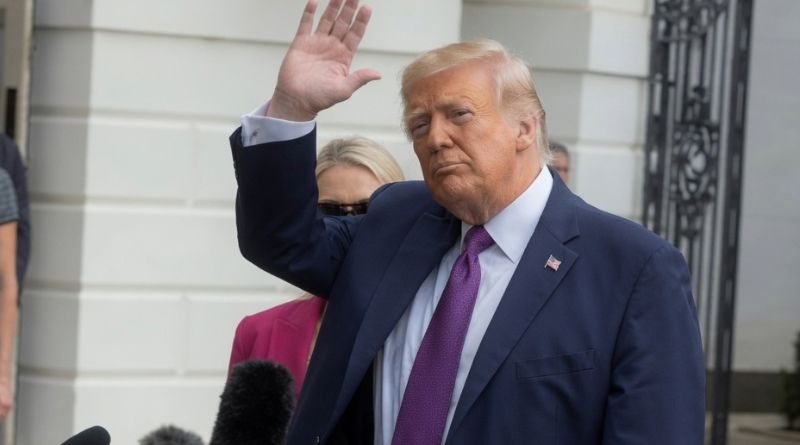
Thursday marked a historic first in U.S. history as federal prosecutors charged former President Donald Trump with conspiring to defraud the United States, obstructing the certification of the 2020 presidential election, and interfering with constitutional voting rights.
The indictment focuses on actions allegedly taken by Trump after leaving office, centering on efforts to challenge and overturn the election results. Prosecutors argue these moves undermined the electoral process and the peaceful transfer of power.
Supporters of the charges hail them as a crucial step toward accountability, asserting that no one — regardless of position or influence — is above the law. Critics, however, denounce the prosecution as politically motivated, claiming it represents selective targeting of a prominent political opponent.
As the case moves forward in the courts, attention will center on legal arguments, evidence, and testimony. The proceedings are expected to spark intense debate over presidential authority, the boundaries of political conduct, and the integrity of democratic institutions.
Whatever the verdict, the case is poised to have a lasting impact on public trust in the justice system and future discussions about executive power and election integrity.