Trump Federalizes D.C. Law Enforcement, Delivering Quick Crime Reductions but Sparking Civil Liberties Concerns
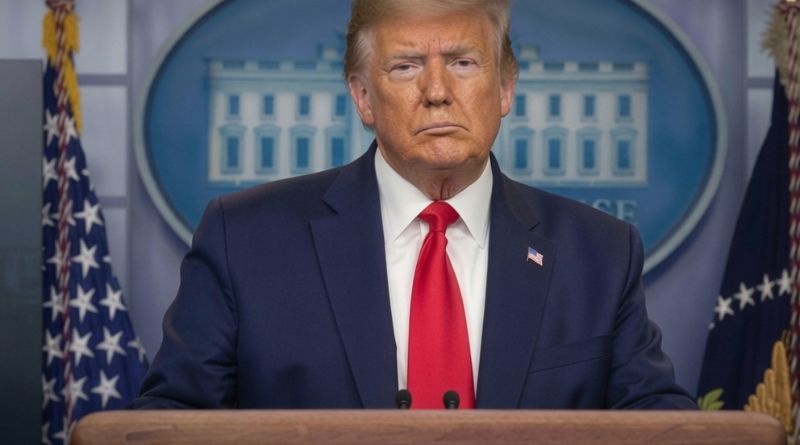
In a decisive move that has reshaped daily life in the nation’s capital, President Donald Trump signed an executive order federalizing key aspects of Washington, D.C.’s law enforcement, flooding the city with federal agents and resources almost overnight.
The intervention has yielded rapid results on public safety. Preliminary statistics show measurable declines in key crimes, including violent offenses that had long troubled residents. Many longtime Washingtonians say they now feel safer walking streets or allowing children to play outside. Neighborhood group chats, previously dominated by incident alerts and videos, have grown quieter. Supporters hail the federal surge as overdue action against persistent crime that local policies failed to curb.
Yet the changes have also introduced new tensions. Some residents describe living with heightened vigilance—memorizing license plates and mapping escape routes in case of encounters with authorities. Immigrant families report reluctance to answer doors or engage with officials, fearing collateral immigration enforcement. Parents are coaching children on interactions near schools and parks, while community advocates document rising distrust and social isolation in affected neighborhoods.
Operational friction has emerged within law enforcement itself. Local officers have noted confusion over chains of command as federal agencies, specialized task forces, and D.C. police coordinate simultaneously in shared spaces.
What began as a targeted anti-crime initiative has evolved into a broader national debate over the balance between security and civil liberties. Proponents argue the federal presence was vital to restore order in a city that serves as the seat of American government. Critics counter that gains achieved through intensified policing and visible militarization may come at the cost of eroded public trust and long-term institutional confidence.
As Washington adapts to this new reality, the central question persists: Can genuine community safety coexist with security measures that generate widespread anxiety and diminished faith in government? The unfolding events have intensified discussions about the meaning of “law and order” in a democratic society, with implications extending well beyond the District’s borders.