President Donald Trump has demonstrated a heightened focus on loyalty during his second term, rewarding supporters while taking a firmer line against those perceived as disloyal. After a first term marked by internal challenges and public criticism from some former allies, the administration appears less tolerant of opposition, particularly evident in recent Republican primaries where Trump-backed candidates often prevailed over critics.
This pattern extends beyond electoral politics. Trump has also shown preferential treatment toward media outlets viewed as friendly. In one notable instance, following a tense on-air exchange with NBC News anchor Kristen Welker—during which the president walked off the set amid questions about Democratic vote fraud—Trump provided advance notice of impending U.S. military action to a Fox News correspondent.
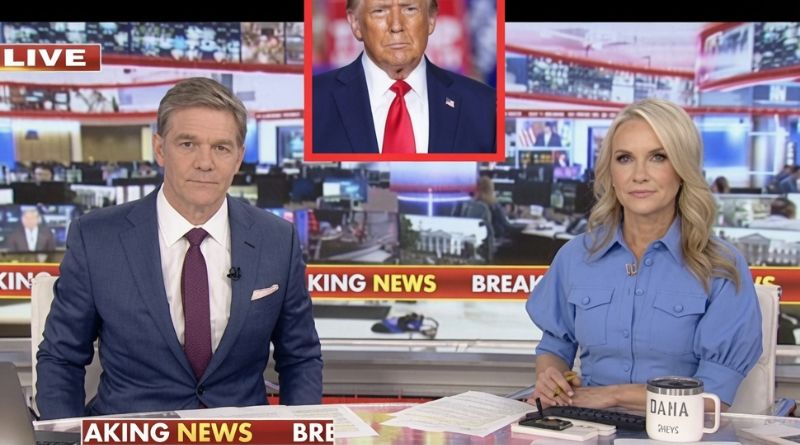
Fox News reporter Trey Yingst, broadcasting live from Israel, revealed that Trump personally called him from the Situation Room shortly before American forces launched strikes targeting Iranian military infrastructure. According to Yingst, the president detailed aspects of the operation during the conversation.
Trump subsequently addressed the matter on Truth Social, confirming the action and criticizing Iran’s military readiness. “Iran’s Military is a complete and total mess,” he posted. He stated that significant portions of the country’s naval and air capabilities “doesn’t even exist anymore,” warning that Iranian leaders would “pay the price” after negotiations failed to yield results.
The president reiterated his commitment to continued pressure, saying he would “pound Iran” until the regime agrees to a lasting peace deal that permanently ends uranium enrichment activities.
These episodes illustrate a consistent theme in Trump 2.0: strong preference for reliable allies. Supporters argue this approach strengthens the administration’s effectiveness, while critics contend it may deepen political divisions. As the president navigates complex domestic and international challenges, his handling of loyalty and information-sharing continues to draw attention from both political observers and the media.