Rubio Reaffirms U.S. Resolve on Strait of Hormuz Amid Strikes and Fragile Iran Talks
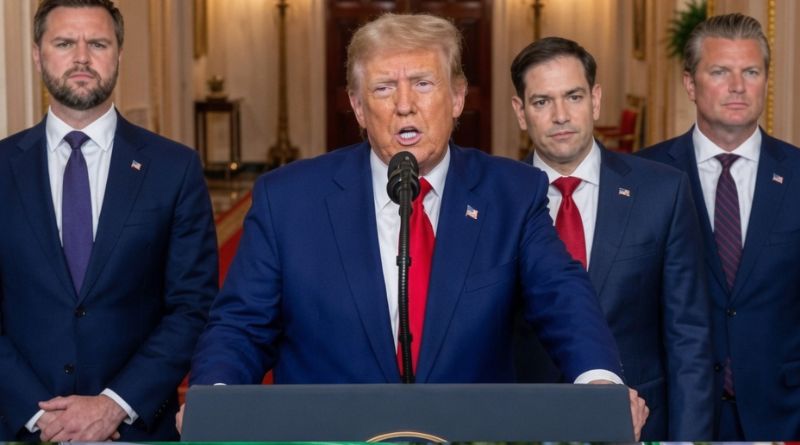
WASHINGTON — U.S. Secretary of State Marco Rubio on Saturday reiterated America’s firm warning that the Strait of Hormuz must be reopened “one way or the other,” underscoring Washington’s determination to restore freedom of navigation through the vital waterway as diplomatic efforts continue in Qatar.
“The straits have to be open, they’re going to be open,” Rubio said during a trip to India. “What’s happening there is unlawful, it’s illegal, it’s unsustainable for the world, it’s unacceptable.” He noted that talks were underway in Qatar and expressed cautious optimism. “There were some talks going on in Qatar today, so we’ll see if we can make progress.”
Rubio described ongoing discussions as involving “a lot of talking back and forth” over specific language in draft documents. “It’ll take a few days,” he added. President Donald Trump, he said, is committed to securing either “a good deal or no deal.”
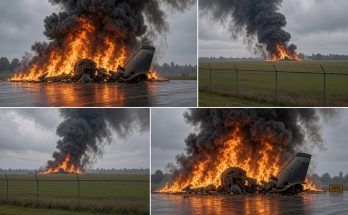
The comments come days after American forces conducted what U.S. Central Command described as “self-defense strikes” in southern Iran. The operations targeted missile launch sites and Iranian vessels attempting to place mines, according to Capt. Tim Hawkins, a CENTCOM spokesperson. “U.S. Central Command continues to defend our forces while using restraint during the ongoing cease-fire,” Hawkins said.
Details about the precise locations and the specific ships involved remain limited for operational security, but a senior U.S. military official confirmed the strikes occurred near the Iranian port and naval base at Bandar Abbas. Iranian surface-to-air missiles had threatened dozens of American warplanes and nearly two dozen Navy warships, including two aircraft carriers enforcing a blockade against vessels trying to enter or leave Iranian ports in the Gulf of Oman and Arabian Sea.
These incidents highlight the precarious nature of a cease-fire that took effect roughly six weeks ago. While both sides have clashed sporadically since then, Monday’s strikes coincided with Iranian officials gathering in Qatar for negotiations aimed at ending the broader conflict.
Iranian officials acknowledged progress in the talks but tempered expectations. Foreign Ministry spokesman Esmaeil Baqaei told reporters that Tehran and Washington have reached understandings on “a large portion of the issues under discussion.” However, he cautioned against assuming an imminent agreement. “To say that this means the signing of an agreement is imminent—no one can make such a claim,” Baqaei said, accusing Washington of shifting positions during the negotiations.
A top Trump administration official, speaking on Sunday, indicated that Iran has agreed in principle to eliminate its stockpile of highly enriched uranium as part of any final deal. In exchange for reopening the Strait of Hormuz and curbing its nuclear activities, the United States would lift its naval blockade and ease certain sanctions. The official described the atmosphere as more constructive than before recent military operations, with both sides largely aligned on core principles.
“The president expressed his desire to make it,” Rubio noted, referring to Trump’s push for a comprehensive agreement. Trump himself has criticized the 2015 nuclear deal negotiated under President Barack Obama, claiming it provided Iran with “massive amounts of CASH, and a clear and open path to a Nuclear Weapon.” He has vowed that any new deal would be significantly stronger, with robust enforcement mechanisms.
Administration sources emphasize that the duration of enrichment limits—whether 20 or 30 years—is less critical than verifiable compliance and enforcement. “It doesn’t matter if the promise is for 20 or 30 years; what matters is how it will be enforced,” one official said. They believe the emerging framework could surpass the Obama-era agreement by addressing not only uranium stockpiles but also broader regional security concerns.
The Strait of Hormuz remains the central flashpoint. Roughly one-fifth of global oil shipments pass through the narrow chokepoint, making its closure a serious threat to energy markets and international trade. U.S. officials have repeatedly stated that Iranian attempts to control or toll the waterway are unacceptable and will not be tolerated.
As indirect talks continue through Qatari mediators, both sides appear to recognize the high stakes. Iran has signaled willingness to compromise following U.S. military pressure, while the Trump administration balances diplomatic outreach with a demonstrated readiness to use force in self-defense.
Progress remains incremental, with technical teams ironing out details on sanctions relief, nuclear transparency, and maritime security. Whether these efforts yield a lasting deal or collapse under mutual distrust will likely become clearer in the coming days or weeks.
For now, Rubio’s message from India was unequivocal: the world’s most critical energy artery will reopen—and America is prepared to ensure it does.