Charlie Kirk, the conservative activist and founder of Turning Point USA, was fatally shot on September 10, 2025, during a student-sponsored outdoor event at Utah Valley University in Orem, Utah. The attack stunned the campus and quickly became a national story about political violence, campus security, and the risks facing high-profile speakers.
Kirk, 31, was speaking before a crowd of about 3,000 people when a single shot rang out around 12:20 p.m. Mountain Time. Witnesses described an abrupt shift from political discussion to panic as people scattered and law enforcement moved to secure the courtyard. Kirk was rushed to Timpanogos Regional Hospital, where he was later pronounced dead.
Utah officials and the FBI described the shooting as a targeted attack. Investigators said the gunman fired from the roof of a nearby building overlooking the event area. Authorities recovered what they believed to be the rifle used in the shooting, along with other evidence from locations tied to the attack. Early detentions produced no lasting connection to the crime; officials later said those initially questioned were not responsible.
The FBI offered a reward of up to $100,000 for information leading to an arrest. Within about 33 hours, authorities announced that a suspect had been taken into custody. Officials emphasized that the broader investigation would continue even after the arrest.
The killing drew immediate condemnation from across the political spectrum. Utah Gov. Spencer Cox denounced the attack, and leaders from both parties rejected political violence as a response to disagreement. The episode also revived debate over how universities should protect controversial speakers while still allowing open campus events.
Kirk had become one of the most recognizable conservative organizers of his generation. Through Turning Point USA, he built a large youth network and regularly appeared on college campuses for debates on politics, free speech, and culture. Supporters saw him as a skilled communicator who was willing to take questions in hostile settings. Critics disputed his views, but even many opponents treated his campus appearances as part of a broader contest over ideas rather than a justification for violence.
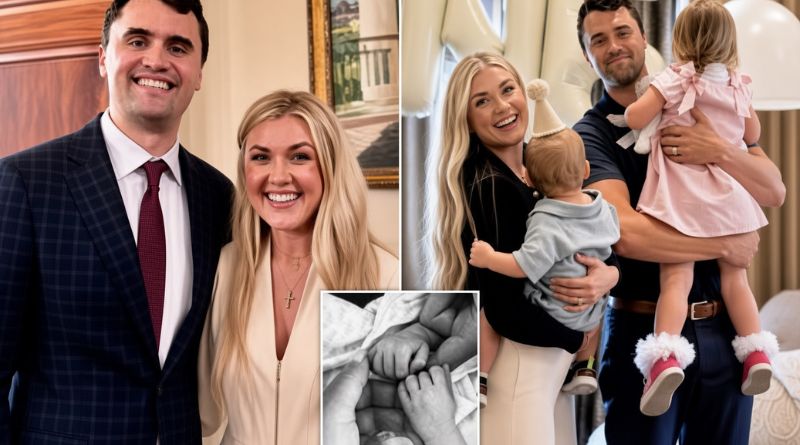
His death left his wife, Erika Kirk, their children, relatives, colleagues, and supporters in mourning. Students and staff who were present that day also carried the shock of seeing a public event turn deadly in seconds.
In the months that followed, the case remained part of a larger national argument about polarization, security at political events, and the vulnerability of public figures. Kirk’s organization continued under new leadership, and commemorations were later planned on the anniversary of the shooting. The central fact, however, did not change: a political discussion on a university campus ended in murder, and a young activist’s death became a grim marker of how quickly disagreement can give way to violence.