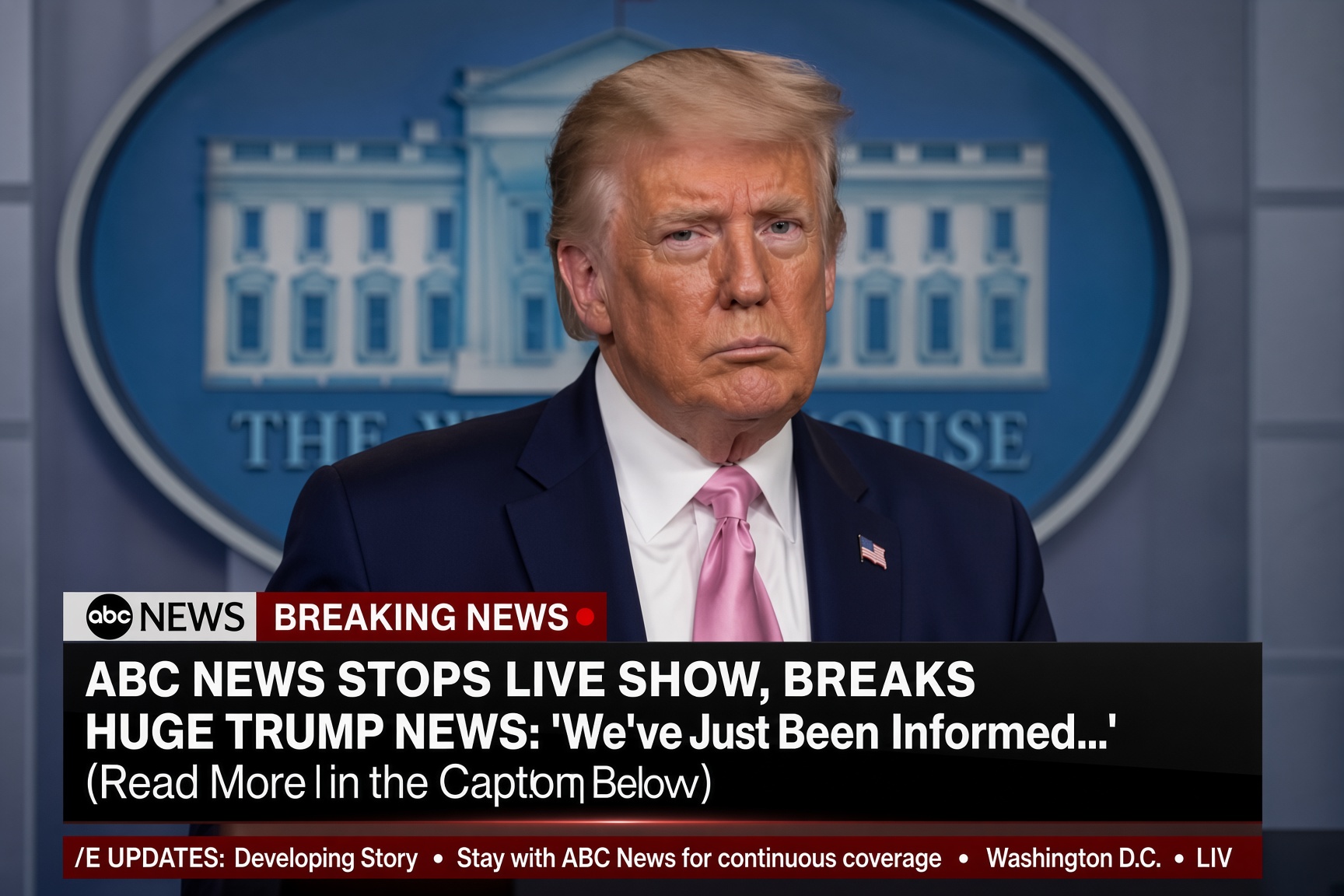
The Trump administration has increased the federal law enforcement presence in Washington, D.C., citing public safety and a pledge to reduce violent crime. Officials directed federal agencies to take a larger operational role in the capital, saying the effort is meant to strengthen enforcement, cut crime, and improve coordination among the many federal entities already working in the city.
Some residents say they feel safer. They point to more visible patrols and less criminal activity in their neighborhoods. Supporters argue a stronger federal response was overdue and that the operation shows a commitment to restoring order.
Civil rights groups and community advocates have raised objections. They warn that a larger federal role could heighten anxiety in immigrant communities and leave gaps in oversight and accountability.
Questions about command and coordination persist. Some residents are unsure which agencies are leading particular operations and how those efforts line up with local officials. The uncertainty reflects a longer debate over how federal and local authorities should share power in the District.
That debate is rooted in D.C.’s unusual status. Congress retains substantial constitutional authority even though the city has an elected local government. Legal observers note that fights over federal involvement have long mixed public safety with home rule and the proper division of power.
As the operations continue, officials, residents, and advocates are watching the results. The discussion now includes crime figures, constitutional authority, community trust, and how to enforce the law without undermining civil liberties or local self-government.