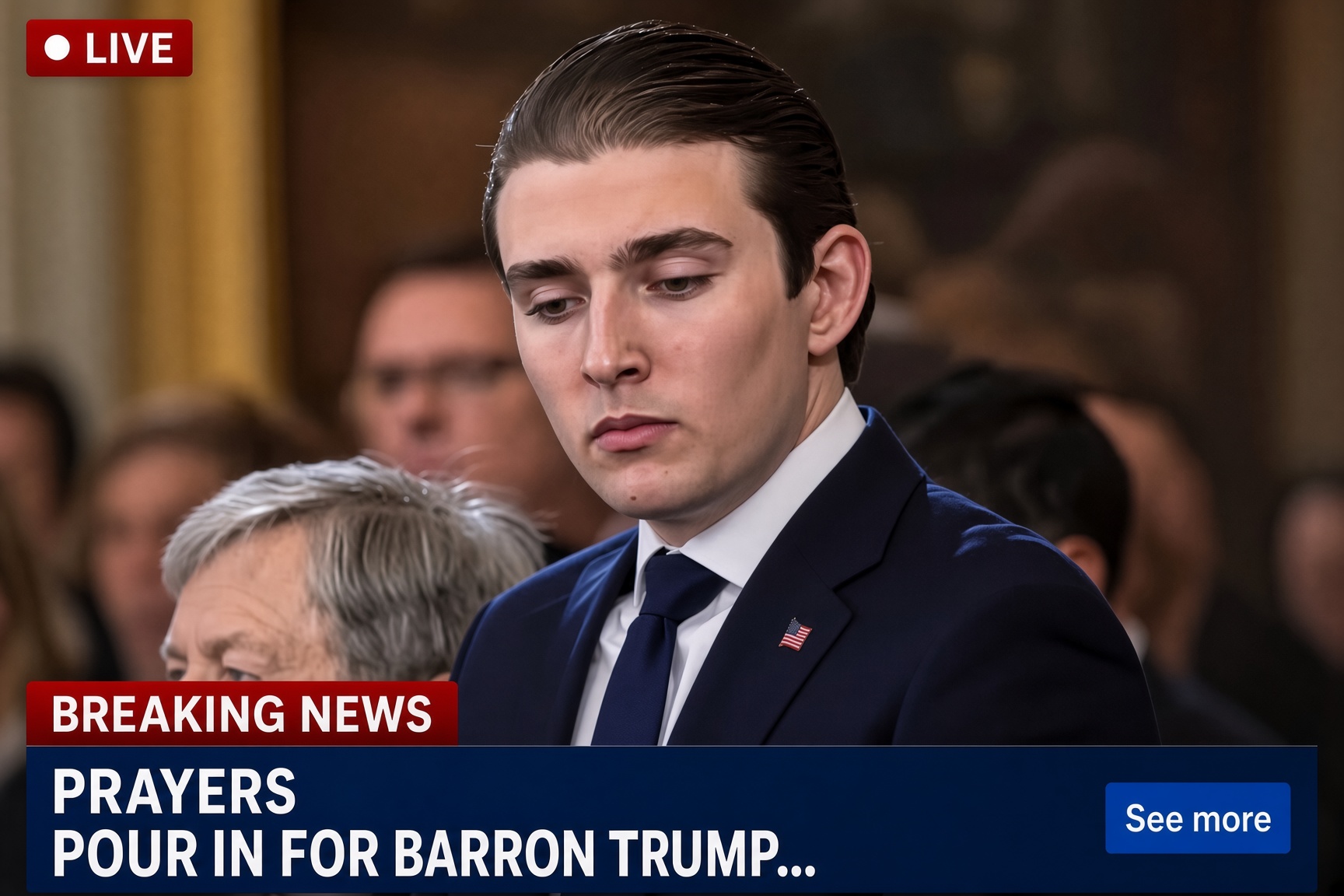
Iran-linked outlets have aired a graphic propaganda segment aimed at Barron Trump, the 20-year-old son of President Donald Trump, intensifying worries over first-family security as U.S.-Iran tensions persist. Foreign reports describe a state-television clip, tied to media close to Iran’s Islamic Revolutionary Guard Corps, that maps places associated with Barron, asserts that his movements are watched, and mentions a $10 million bounty. The piece has circulated under titles such as “Where to kill Barron Trump?” and drawn wide attention online. Independent confirmation of the surveillance claims and of any official bounty remains limited.
The latest video follows an earlier campaign against other relatives. In July, Tasnim News Agency, widely linked to the IRGC, distributed a clip in the vein of “Where to kill Melania?” that focused on First Lady Melania Trump’s public appearances in New York, alleged security patterns, and shops she visits. That video closed with a direct warning aimed at Barron. Comparable rhetoric has targeted the president himself, including broadcasts and billboards promising retaliation amid years of hostility that include the 2020 strike on Qasem Soleimani and more recent fighting.
The U.S. Secret Service has said it is aware of the Barron video and investigates any material that can be viewed as a threat to its protectees. Spokesman Nate Herring has declined to discuss specific measures, locations, or intelligence, citing operational security. Barron and Melania Trump receive Secret Service protection as immediate family of a sitting president. Security remains heavy at the White House, Trump Tower in New York, Mar-a-Lago in Florida, and the family’s New Jersey property, including the Bedminster club where Barron has spent part of the summer while attending New York University.
Officials and analysts treat such broadcasts as more than slogans. In a period of military and economic pressure—including sanctions, a naval presence near the Strait of Hormuz, and continued war rhetoric—online threats can serve as intimidation, propaganda, and psychological warfare. Each item still requires assessment for specificity and credibility. Unverified claims can still force agencies to review routines, harden protection, and monitor communications linked to Iran and its proxies. Barron has generally kept a lower public profile than other family members, which makes the personal targeting especially notable.
Authorities have released few details about any investigation. Protective work stays confidential by design. Reports of a bounty and of infiltrated social or gaming accounts have not been independently verified by Western outlets that reviewed the footage. Officials continue to watch Iran-linked messaging while urging caution about unsourced clips circulating on social media. The pattern, however, is clear: hostile rhetoric that once focused on U.S. officials is now being aimed more directly at their relatives, adding another layer of risk in an already tense security environment.