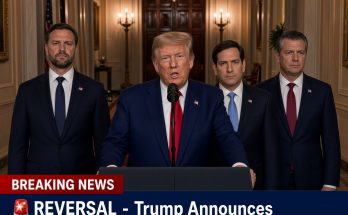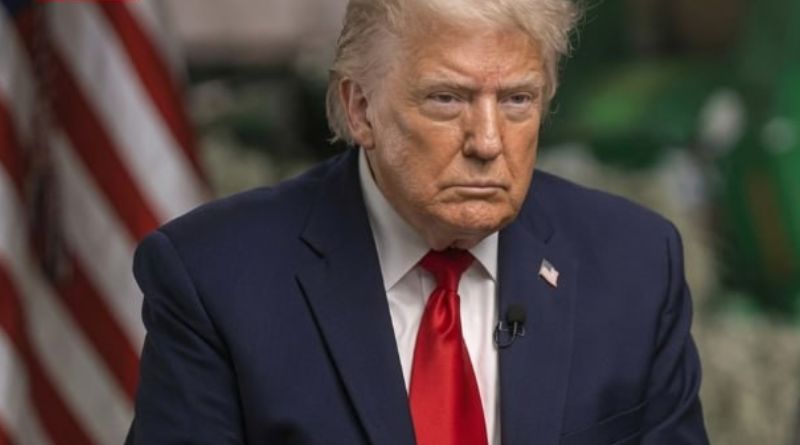
Federal prosecutors announced a sweeping indictment Thursday against former President Donald Trump, alleging he took part in a coordinated effort to undermine core democratic processes.
The charges include conspiracy to defraud the United States, obstruction of an official proceeding, and interference with constitutionally protected rights. Prosecutors say the case centers on official government mechanisms meant to protect elections and the orderly functioning of civic institutions.
Large portions of the supporting evidence remain under seal, so many specifics are not yet public. The indictment outlines the alleged structure of the effort but withholds key details pending further court proceedings.
The announcement produced sharp, familiar reactions. Trump’s supporters described the charges as politically motivated and pledged to stand by him through the legal process. Critics treated the accusations as a serious test of whether democratic institutions and the rule of law can hold a former president accountable.
Legal observers called the case historic. A former president now faces federal charges that carry potentially severe penalties and could set precedents for how official acts and election-related conduct are treated in court. Judges will review the sealed materials, hear arguments from both sides, and apply existing legal standards as the case moves forward.
The proceedings are expected to draw intense public and political attention. Outcomes could affect not only Trump’s personal legal exposure but also broader questions about the boundaries of political power, the certification of elections, and the resilience of constitutional processes. Both the prosecution and defense have signaled they will contest the facts and the law vigorously. The coming months will show how the courts balance those claims against the evidence that has so far been kept from public view.