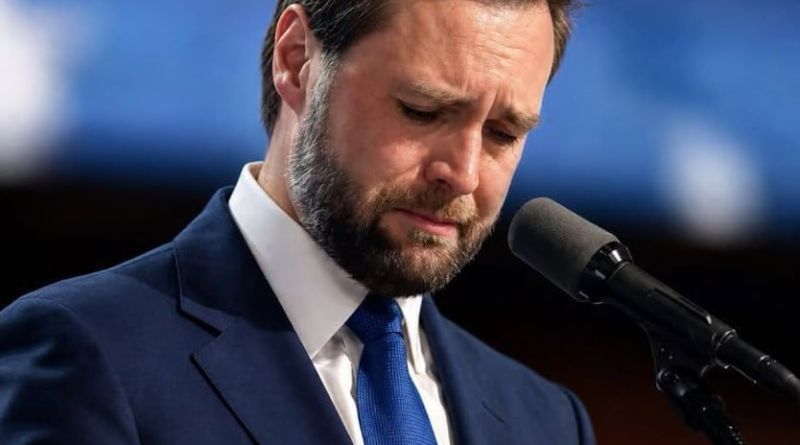
Interest in Vice President JD Vance as a possible 2028 Republican presidential nominee has grown among conservatives more than two years before the contest. Analysts have urged Democrats not to dismiss his appeal, citing early polling, activist enthusiasm, and the structural advantages that often accompany a sitting vice president.
An Emerson College survey from late May showed a close race among likely Republican primary voters, with Vance at 36 percent and Secretary of State Marco Rubio at 35 percent. That result marked a tightening from earlier surveys in which Vance held a clearer lead. CNN chief data analyst Harry Enten has pointed to historical patterns: since 1980, early frontrunners have won their party’s nomination roughly 63 percent of the time. Political commentator Chris Cillizza has separately argued that Democrats underestimate Vance “at their own peril,” describing him as having broad appeal inside the Republican coalition.
A striking display of grassroots support occurred at Turning Point USA’s AmericaFest. A straw poll there gave Vance 84.2 percent, well ahead of Rubio at 4.8 percent, Florida Gov. Ron DeSantis at 2.9 percent, and Donald Trump Jr. at 1.8 percent. The figure exceeded the 82.6 percent former President Donald Trump received in a comparable poll at the same event during the 2024 cycle. Erika Kirk, CEO of Turning Point USA and widow of the late Charlie Kirk, publicly backed a potential Vance bid, telling the crowd they would help elect “my husband’s friend JD Vance.” The remark drew strong applause and underscored the group’s role in mobilizing younger conservatives.
Vance himself has downplayed 2028 speculation. In a Fox News interview with Sean Hannity, he said the immediate priority is Republican success in the 2026 midterms and that any future decision would involve consultation with President Trump. In speeches, including at AmericaFest, he has focused on criticizing Democratic approaches to energy, the border, and crime, presenting himself as a leading party voice rather than an announced candidate.
Sitting vice presidents typically enjoy high name recognition and access to party infrastructure. Trump’s continued influence remains a major variable; he has not publicly designated a successor. Strong midterm results could reinforce Vance’s standing, while organizations such as Turning Point USA continue to generate energy on the right. Democrats, for their part, are expected to treat his rising profile as a strategic concern rather than a distant hypothetical.
The field remains fluid. Early indicators have given Republicans reason for optimism, but two years of midterms, policy debates, and shifting alliances will test whether current momentum holds. For updated figures, observers continue to watch Emerson College polling and analyses from outlets such as CNN.