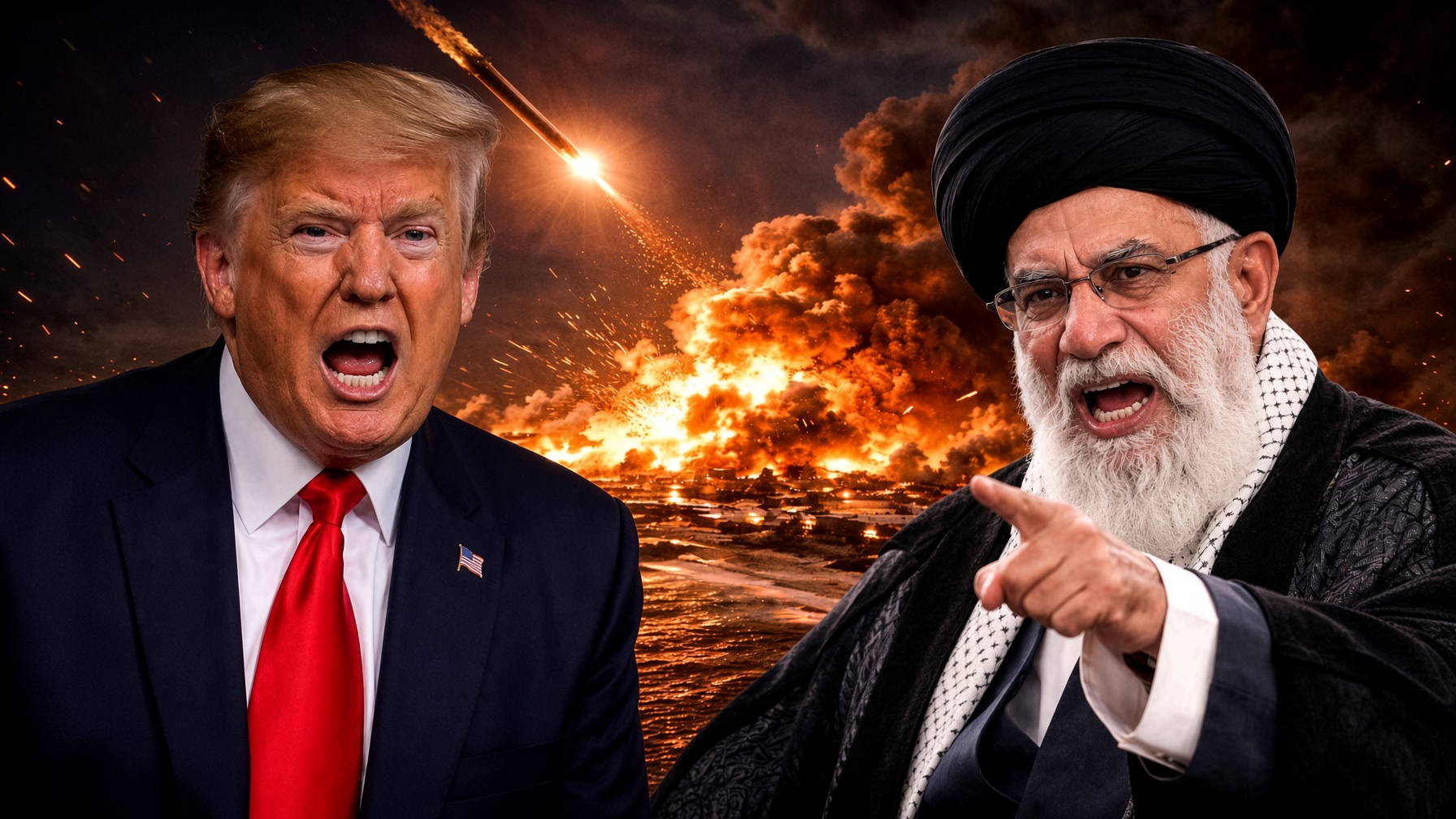
A storm of fire nearly set alight the world’s most fragile chokepoint.
What began as a routine U.S. transit through the Strait of Hormuz on March 1, 2026, reportedly became, within minutes, a contest of missiles, interceptors, and electronic warfare. Markets froze. War rooms lit up. Analysts reached for a single word: escalation. The distance between restraint and catastrophe narrowed to a few seconds.
The familiar pattern of patrols and radio warnings gave way, however briefly, to the raw mechanics of modern naval combat. Anti-ship missiles rose from the Iranian coast. U.S. interceptors climbed to meet them. Electronic systems worked to blind hostile radars. Each decision was measured in heartbeats; the consequences could last years. That no American ship was reported hit does little to dull the gravity of a moment when unspoken rules were tested in the open.
Swift U.S. strikes on suspected launch sites displayed both reach and risk. Every radar silenced and every battery hit posed a sharper question: how close had the region come to a wider war? In a corridor only a few dozen miles wide, miscalculation is not an abstraction. It is the constant companion of every passage.
The episode will be studied in war colleges and ministries not as an isolated clash, but as a warning of how quickly routine can fracture. Energy markets, insurance rates, and the daily flow of oil and gas all depend on that narrow waterway. Whether leaders treat March 1 as a lesson in brinkmanship or as a last caution before an irreversible step will shape the next chapter of a crisis that began days earlier and has not yet fully closed.
The strait remains what it has always been: a hinge of the global economy, and a place where a few minutes of fire can still rewrite the map.