Kerry George Sheron, a 69-year-old U.S. Army veteran whose Escondido home became a local landmark for its American flags, military insignia, and pro-Trump banners, died May 24, 2026, four days after he was beaten outside the property. The San Diego County District Attorney’s Office later charged the alleged attacker, 32-year-old Thomas Caleb Butler, with murder.
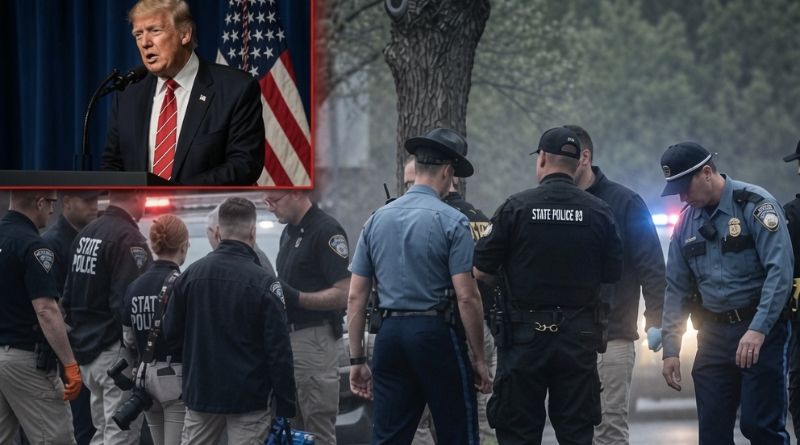
Police said the assault occurred shortly after 2 p.m. on May 20 near East Mission Avenue and Buchanan Street, next to Sheron’s house. Officers responding to reports of an attack in progress found Sheron with severe head injuries. A bystander who tried to intervene was also hurt. A utility worker helped restrain the suspect until officers arrived. Sheron was taken to a trauma center and remained in critical condition until his death. The medical examiner’s office notified police on the evening of May 24; cause and manner of death were pending at the time.
Prosecutors described the attack as unprovoked. Deputy District Attorney Ross Garcia said Butler punched Sheron in the jaw, knocking him to the ground, then struck him repeatedly in the head. Security video from the area captured portions of the incident. Butler fled on foot and was arrested a few blocks away, near East Mission Avenue and Begonia Street, without incident. He was initially booked on attempted murder, elder abuse, making criminal threats, and battery. After Sheron died, prosecutors amended the case to include murder. Butler pleaded not guilty and was held without bail at the Vista Detention Facility. If convicted, he faces a sentence of 28 years to life.
Sheron’s wife, Maria Garcia, said doctors gave little hope after the beating. “He tried to kill my husband,” she told local media. “It’s terrible. I don’t know what kind of hate… what heart, the black heart.” She suggested years of hostility toward the couple’s patriotic displays may have played a role. “They don’t like the flags. I don’t know why. I support America. My husband is a veteran,” she said. The home, widely known in the San Diego area as the “Trump House,” had drawn both support and criticism and had been vandalized in the past. Sheron was often seen outside waving to passing drivers. A GoFundMe for the family raised tens of thousands of dollars.
Escondido police have said they have not publicly confirmed a political motive and continue to examine all possibilities, including whether Sheron and Butler had any prior contact. Butler, a Navy veteran and Escondido resident who lived nearby, has been described by acquaintances as struggling with serious mental-health problems, including PTSD and paranoia. Court records cited earlier domestic-violence calls, welfare checks, and mental-health contacts. Proceedings were delayed for a psychiatric evaluation; a judge later found him competent to stand trial.
A witness who tried to stop the attack, Anthony Cabrera, later said he had been speaking with Sheron when someone began banging on the front door and yelling. Cabrera said doorbell video showed Sheron punched to the ground and kicked in the head. He said he struck the assailant, who then ran, and found Sheron unresponsive and bleeding. Cabrera described the assault as appearing unprovoked.
The case drew attention beyond Escondido. Rep. Darrell Issa called for a thorough investigation and argued that Trump supporters have been targeted by political violence elsewhere; local officials have not endorsed that framing for this incident. District Attorney Summer Stephan said the killing left Sheron’s family and community grieving “the veteran’s senseless loss of life” and pledged to pursue accountability while supporting the family.
Sheron, born in Waterbury, Connecticut, served in the Army, including time in Germany, then settled in California and worked for decades as a chef in assisted-living facilities. Neighbors remembered the flags and the man who sat outside waving. For now, the legal process continues in Vista, and the questions of motive remain with investigators and the courts.