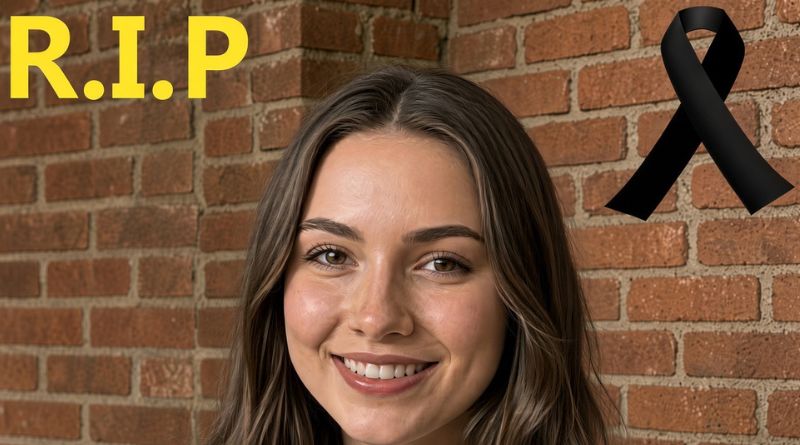
The death of 20-year-old Ana has left her family, friends and community in mourning, while also renewing public attention on menstrual health, medical literacy and the need to take severe symptoms seriously. According to available reports, her death was associated with complications involving menstrual health. The exact medical circumstances have not been fully established, and her case should not be used to draw unverified clinical conclusions. Still, it has prompted a broader conversation about how young women recognize warning signs and when they seek professional care.
Menstruation is a normal part of health, but it is not always harmless by default. Mild cramps and some disruption are common. What concerns clinicians is a pattern that goes far beyond that: exceptionally heavy bleeding, pain so intense it stops daily life, fainting, persistent dizziness, or symptoms that worsen rather than ease. Those signs do not automatically mean a life-threatening emergency, but they do mean a qualified healthcare professional should evaluate them. Dismissing them as “just a period” can delay diagnosis of conditions that are treatable when caught early.
Ana’s story has also highlighted how stigma still shapes that delay. Many young women grow up hearing that menstrual pain is something to endure quietly. Embarrassment, incomplete sex education and limited access to gynecological care can make it harder to describe symptoms clearly or to insist on being taken seriously. Advocates argue that better school-based education, affordable clinical services and more open talk among parents, teachers and doctors would help people distinguish ordinary discomfort from symptoms that need investigation.
In the days after her death, tributes circulated among people who knew her. Friends described a determined young woman who left a mark on those around her. Teachers and community members spoke of potential that would now go unfulfilled. For her family, the public conversation is inseparable from private grief: they have lost a daughter, a sister and a person whose future was still unfolding. Their hope, supporters say, is that her name will be linked not only to loss but to a clearer message—seek help when something feels wrong.
Health campaigns often return to the same practical advice. Know your own baseline. Track changes in flow, pain, energy and bleeding duration. Do not wait for symptoms to become catastrophic before asking for care. A clinician can assess whether an underlying condition is involved and whether treatment, monitoring or further testing is needed. At the same time, experts warn against treating one tragic case as proof that menstruation itself is ordinarily dangerous. The point is not fear. The point is competence: knowing when ordinary cycles stay ordinary, and when they do not.
The discussion now extends beyond individual awareness. Supporters are calling for menstrual-health education that is accurate rather than vague, for clinics that young people can actually reach, and for a culture in which asking about bleeding and pain is treated as routine healthcare rather than a source of shame. Those changes will not restore Ana’s life. They may, her family and advocates hope, make it less likely that another young woman will wait too long to be heard.
Grief remains the center of this story. Ana was 20. She had relationships, ambitions and a community that is now trying to turn mourning into attention. The most responsible response is neither speculation about her private medical details nor silence about the issues her death has raised. It is clearer information, earlier care and a public standard that severe menstrual symptoms deserve professional evaluation—without embarrassment, and without delay.