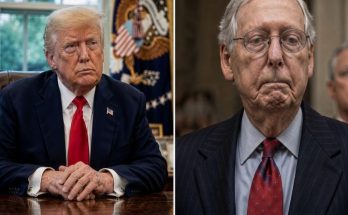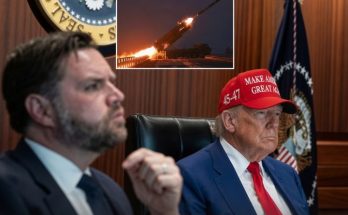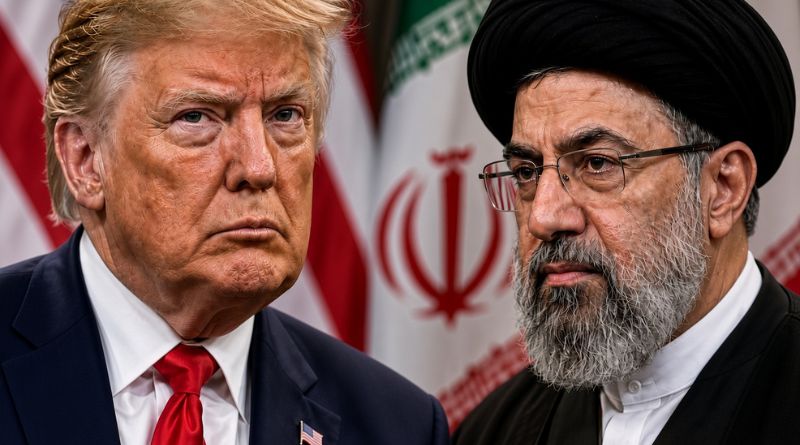
President Donald Trump and senior officials, including Vice President JD Vance and Secretary of State Marco Rubio, are still trying to negotiate an end to the conflict with Iran. The two biggest obstacles have not moved: who controls the Strait of Hormuz, and how far Tehran must go in limiting its nuclear program.
Rubio has been blunt that the strait must stay open to international shipping. The United States, he has said, will keep defending American forces and commercial vessels if they are threatened, and Iran cannot be allowed to treat the waterway as its own. That position has taken on new urgency. Reuters reported Tuesday that only four commodity ships passed through the strait on Monday, against a prewar average of about 125 transits a day. Talks involving Iran and Gulf states have also slipped.
Diplomacy has not stopped the shooting. U.S. Central Command has described several recent clashes between Iranian forces and American warships. Earlier this month, CENTCOM said U.S. forces struck three Iranian crude-oil carriers after ballistic missiles were fired toward two Navy ships. More recently, American forces confronted Iranian boats near the strait after an attempted seizure of a U.S. Navy unmanned vessel. Officials say the episode showed how quickly the situation can escalate even while negotiators stay at the table.
Iran’s nuclear program is the other core dispute. The Trump administration wants tighter limits than those in the 2015 deal, including stricter caps on enriched uranium, and has tied any sanctions relief to verified compliance. Some U.S. ideas have linked reopening Hormuz to a broader package covering the nuclear file and economic relief. Tehran has not accepted those terms.
No comprehensive agreement has been signed. Officials describe pockets of discussion and limited progress, but not a settlement. Disagreement over security and control of the strait remains the most immediate problem, while regional governments keep looking for a formula that would let commercial traffic recover.
The result is a dual track: talks continue, and so do confrontations in the Gulf. Until Washington and Tehran close the gap on shipping lanes and nuclear restrictions, any path out of the conflict will stay fragile.