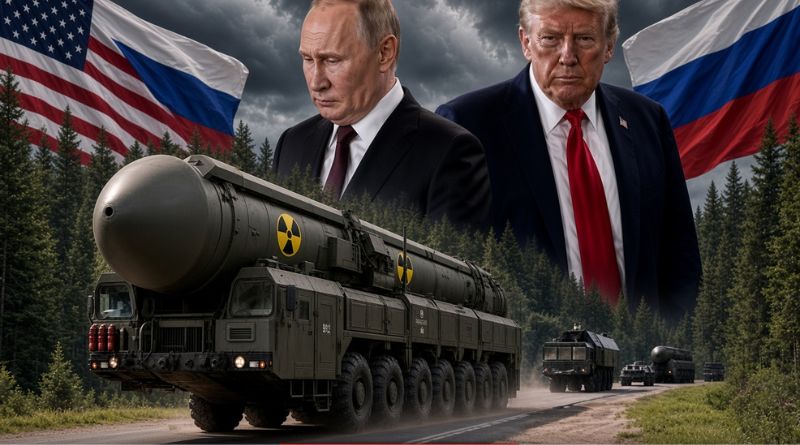
A group of thirteen countries has stepped up what officials describe as a defensive coordination effort, amid growing geopolitical strain and fresh images of missile systems on the move. The announcement has drawn close attention from diplomats, markets, and defense analysts, though governments have not confirmed any imminent military action.
The partnership is framed as a response to what member states call rising strategic threats and military posturing. Public statements emphasize deterrence and readiness rather than offense. Still, the circulation of photos showing long-range missile transport equipment alongside senior political figures at a high-level international gathering has amplified the symbolism. Analysts say that imagery is intended to signal unity and capability as much as hardware.
“This is not only about weapons,” one security analyst said. “It is about showing resolve and a willingness to share industrial, technical, and operational capacity.” Officials have described the work as complementary to existing national and alliance missile-defense systems, including joint requirements, technical working groups, and a roadmap toward early operational capability.
The move comes against a backdrop of strained relations among major powers. World leaders have publicly urged calm and said diplomacy must remain the first tool. Emergency consultations have reportedly been held at international institutions to keep communication channels open and reduce the risk of miscalculation.
Markets have reacted to the uncertainty, and publics in several countries are watching closely. Supporters of the coalition argue that coordinated air and missile defense is a necessary hedge in an already fragile security environment. Critics warn that even defensive alliances can harden blocs and raise the cost of error if rhetoric outruns restraint.
Whether the grouping becomes a durable new layer of collective defense or merely a political signal remains unclear. For now, the official line is coordination, not confrontation—and the test will be whether that distinction holds as capabilities and expectations grow.