A growing rift among America’s closest allies has spilled beyond Washington and into the long-standing relationship between the United States and Spain, one of its oldest European partners. The latest flashpoint is the war in the Middle East, where disagreements over Israel’s military campaign are straining diplomatic ties far from the battlefield.
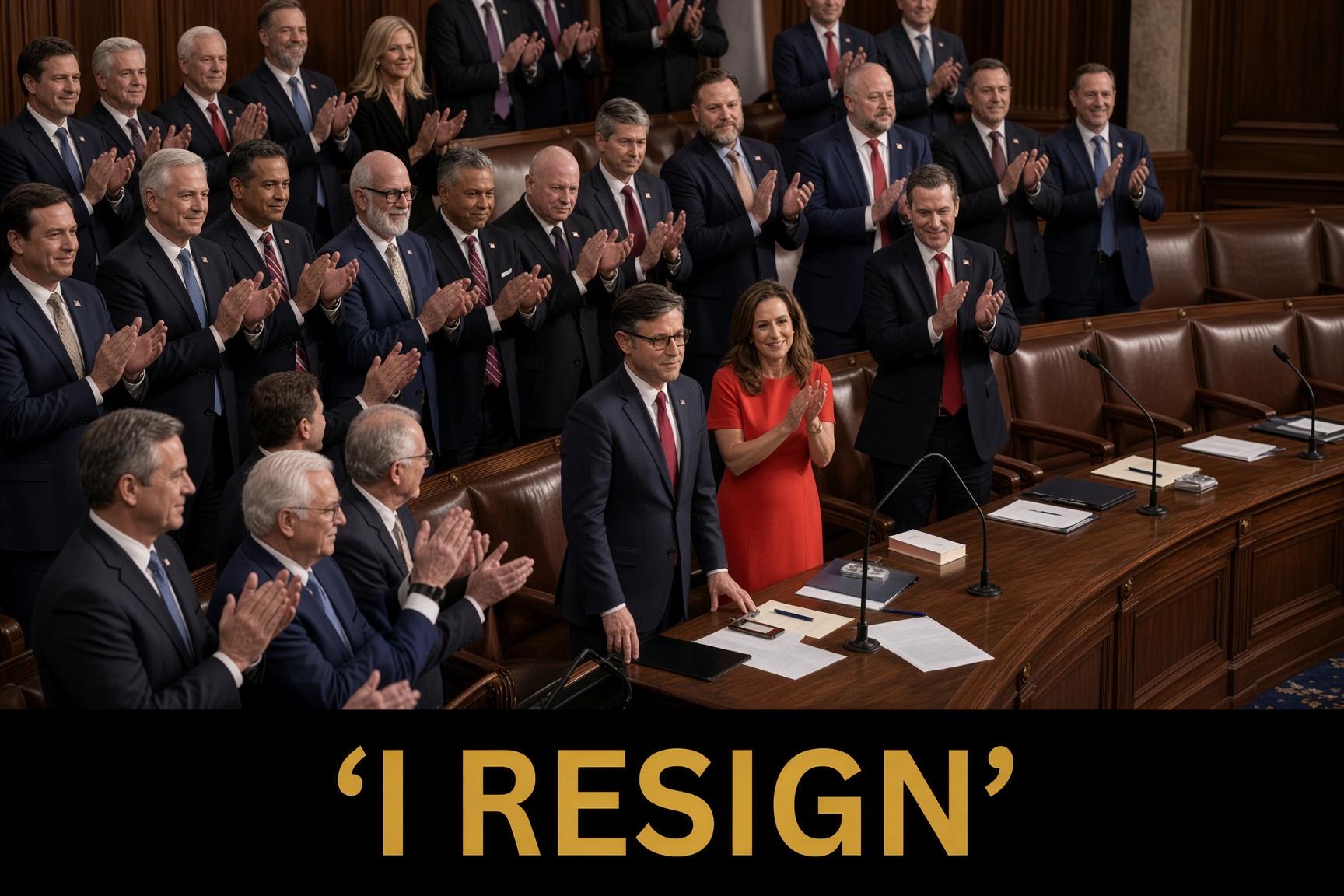
Rep. Carlos A. Giménez, a Florida Republican, announced he has withdrawn as co-chair of the Congressional Friends of Spain Caucus. He cited what he called the Spanish government’s increasingly hostile policies toward Israel. In a letter to Prime Minister Pedro Sánchez, Giménez said he made the decision reluctantly, pointing to Spain’s historical, cultural, and economic ties to the United States and to South Florida.
“As a proud Cuban-American and a steadfast defender of democracy, international security, and the U.S. alliance network, I did not make this decision lightly,” he wrote. Giménez said he has spent much of his career working to strengthen U.S.-Spain relations, but recent actions by Sánchez’s government made it impossible for him to remain in the caucus.
He accused Madrid of waging a “hostile crusade” against Israel while the Jewish state faces threats from Hamas, Hezbollah, Iran, and other terrorist groups. Giménez argued that Spain has moved past legitimate policy disagreement and embraced rhetoric that, in his view, enables antisemitism. “Spain has normalized rhetoric that crosses the line from legitimate policy disagreement into raw antisemitism,” he wrote.
Among his sharpest criticisms was Spain’s reported ban on members of the Israel Defense Forces and certain Israeli officials entering the country. Giménez called the policy “unprecedented and shameful,” saying it targets Israeli soldiers while, in his view, legitimizing groups that seek Israel’s destruction. “To bar the brave men and women of the IDF … while your political apparatus simultaneously legitimizes terrorist networks and accommodationist policies, is a betrayal of Western values,” he wrote.
He also condemned restrictions on military cooperation with Israel, including arms embargoes and limits on defense transportation. Those steps, he said, put Spain “firmly on the wrong side of the global fight for freedom.”
The Congressional Friends of Spain Caucus exists to deepen ties based on shared democratic values, Giménez noted. Spain’s recent approach to Israel, he argued, shows the Sánchez government no longer shares those principles. “I remain hopeful that Spain will one day return to a foreign policy rooted in the defense of Western allies and moral clarity against terrorism,” he wrote. “Until then, I can no longer lend my name to an organization intended to celebrate bilateral friendship while your government actively works to undermine democratic principles.”
The letter highlights wider divisions among Western allies over the Israel-Hamas war. Several European governments have taken critical positions toward Israel’s conduct; Spain has been among the most outspoken. Supporters of Sánchez’s government say its policies address humanitarian concerns and uphold international law.
Giménez’s resignation from the bipartisan caucus shows how the Middle East conflict continues to reshape alliances and political relationships well beyond the region itself. The episode adds another layer of strain to a U.S.-Spain partnership that both sides have long described as historic and strategically important—now tested by a war that has polarized governments on both sides of the Atlantic.


