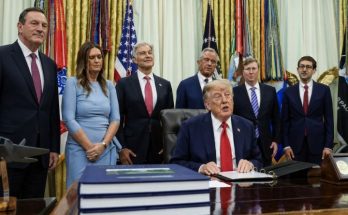
President Donald Trump has directed an expanded federal law enforcement presence in Washington, D.C., framing the move as a response to public safety concerns. The administration says the goal is to cut violent crime, tighten enforcement, and improve coordination among federal agencies already operating in the capital.
Supporters argue the increased federal footprint has helped deter crime and given some neighborhoods a greater sense of security. They point to the District’s unique status: Congress retains substantial constitutional authority even as the city elects its own local government. In that view, a stronger federal role is both legal and necessary when local outcomes fall short.
Critics see a different picture. Community advocates and civil rights groups warn that a heavier federal presence can heighten anxiety, particularly in immigrant communities, and raise questions about oversight and accountability. Some residents say they are unsure which agencies are running which operations and how those efforts mesh with local police and city officials. The concern is not only tactics but trust: whether communities will view the surge as protection or as an overlay they did not choose.
The episode has revived a long-running argument about D.C. governance. Legal and political observers note that fights over federal involvement in the District have always mixed public safety with home rule—the principle that local elected officials, not distant agencies, should set the city’s day-to-day course. Congress’s constitutional power over the capital is not new; what is contested is how far and how visibly that power should be used on the street.
As operations continue, officials, residents, and advocacy groups are watching more than crime numbers. The debate now includes constitutional authority, community confidence, and the balance between aggressive enforcement and civil liberties. Whether the surge produces lasting reductions in violence—or lasting strain between federal and local authority—will shape how the city’s unusual political arrangement is judged in the months ahead.