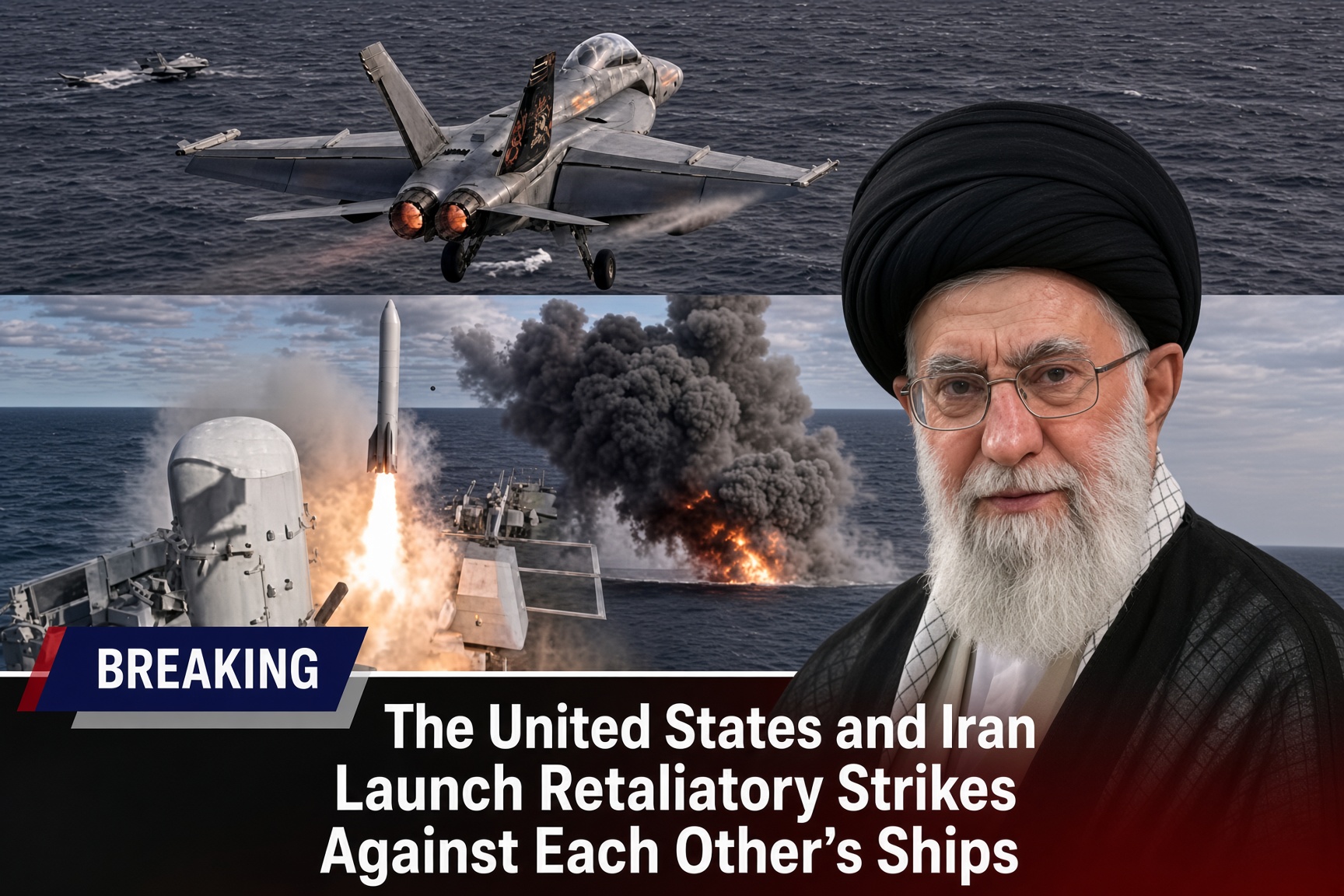
Traffic through the Strait of Hormuz has fallen sharply as the confrontation between the United States and Iran widens, turning one of the world’s most important energy routes into a central pressure point in the conflict.
Efforts to ease the crisis remain uncertain. Washington has combined military operations, economic sanctions, and pressure over the waterway, which carries a major share of global oil and commodity shipments. Recent fighting involving U.S. and Iranian forces has reduced commercial traffic through the area. Reuters reported Sunday that average daily commodity-ship traffic had dropped to its lowest level since May, after attacks involving vessels near the strait.
The decline follows months of tension over Iran’s control and influence on maritime traffic. The United States has pressed for reliable freedom of navigation through the waterway. Tehran has treated its position around the strait as leverage in the broader confrontation.
Diplomatic contacts have continued, but they have not produced a comprehensive settlement. Iran and Oman have previously discussed arrangements for managing shipping through Hormuz, and mediators have explored ways to restore more predictable traffic. Negotiations over the wider conflict and Iran’s nuclear program remain deeply strained. U.S. Energy Secretary Chris Wright said Sunday that Washington might not reach a new nuclear agreement with Tehran under current circumstances, describing the talks as stalled. That assessment has left the prospect of a broader breakthrough unclear.
Economic pressure has intensified alongside the military and diplomatic tracks. Reuters reported that a U.S.-led effort involving sanctions and a naval blockade has tightened constraints on Iran’s oil exports and access to foreign currency. Iranian officials and analysts have acknowledged growing difficulties, including shortages of foreign currency, declining imports, and rising prices. Iran’s ability to move crude through Hormuz has also been severely disrupted. Reuters reported that Iran had gone roughly seven weeks without meaningful crude exports through the strait, underscoring the effect of the confrontation on its energy sector.
The strain has not been confined to Iran. Uncertainty over shipping through the waterway has added to volatility in global energy markets, as traders and importers weigh the risk that further incidents could interrupt a larger share of regional supply.
Military tensions have also risen in recent days. U.S. forces have carried out strikes against Iranian targets, and Iranian forces have launched attacks in response. The escalation has included incidents involving commercial and military vessels near the Strait of Hormuz, heightening concern about the safety of international shipping. The renewed violence has complicated diplomacy and raised the possibility that a wider confrontation could disrupt an even larger portion of regional energy transportation.
There is no confirmed comprehensive agreement between Washington and Tehran. The main disputes include Iran’s nuclear program, sanctions relief, maritime security, and the future of shipping through the strait. Any settlement would likely require difficult negotiations on security, nuclear restrictions, sanctions, and freedom of navigation—issues that remain unresolved.
For now, military and economic pressure continues alongside diplomatic contacts. The path toward a durable settlement is uncertain, and the status of the Strait of Hormuz continues to shape both the regional confrontation and global energy markets.