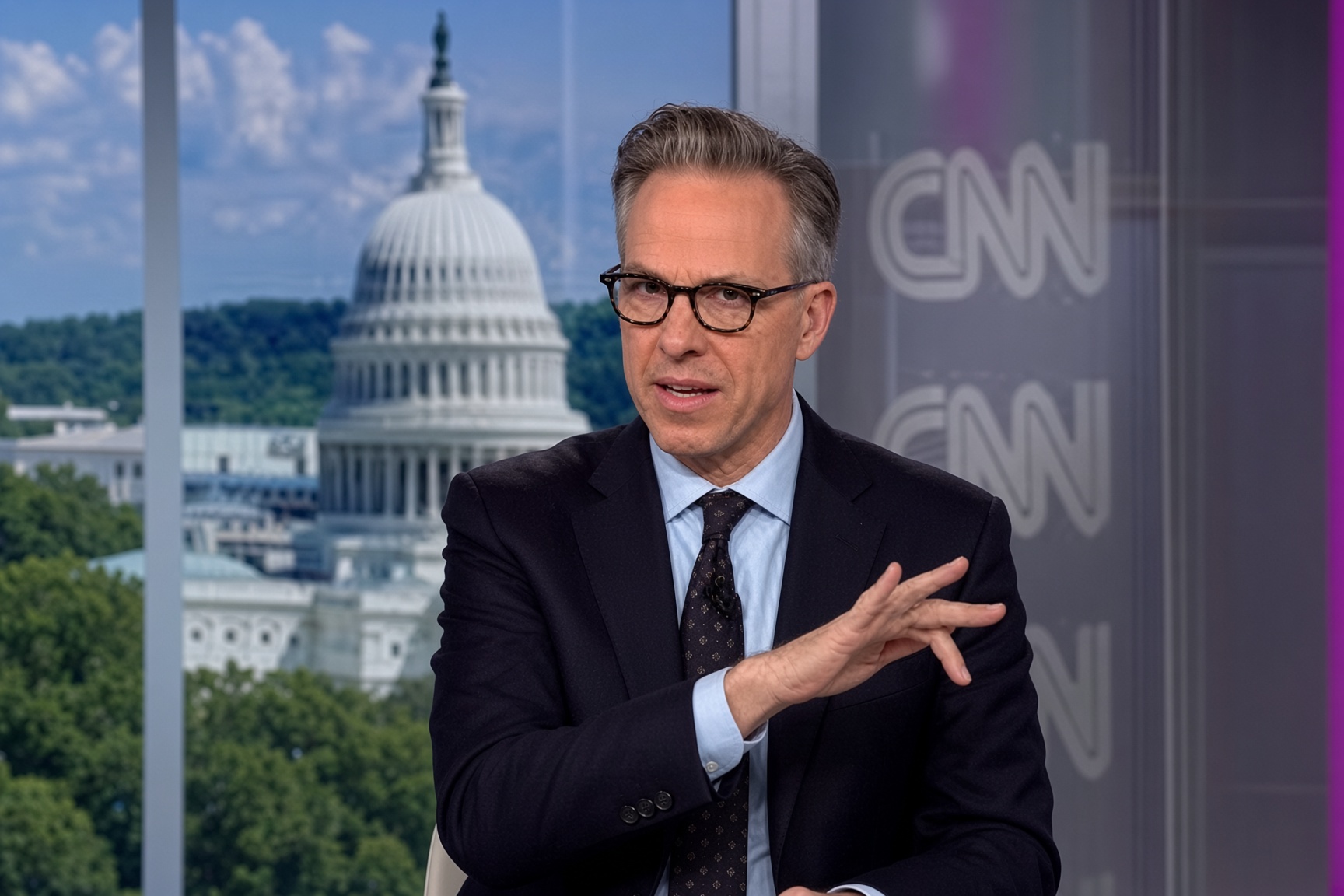
President Trump, in a live phone interview on CNN’s State of the Union on July 12, 2026, told host Jake Tapper that his administration was working to put the network on a “normal path.” The call focused on the sudden death of Sen. Lindsey Graham, with Trump declining to address other topics such as U.S. military actions involving Iran.
Near the end of the segment, Tapper noted Trump’s preference to stay on the Graham topic out of respect and invited him back for a fuller interview. Trump agreed. As Tapper began to thank him, Trump interjected: “We’re trying to have CNN go in a normal path, and we’ll do that.” Tapper replied, “Well, I’m on a normal path right here, sir, and I appreciate your time,” before closing the call. Trump affirmed, “Good. You are.”
The exchange drew sharp criticism on social media. Some viewers accused Tapper of failing to challenge the remark and of appearing overly deferential. Critics argued that a president should not seek to shape a news organization’s direction, with some linking the comment to broader concerns about media independence.
The timing coincided with Paramount Skydance’s pending acquisition of Warner Bros. Discovery, CNN’s parent company. That roughly $110 billion deal, led by David Ellison, later closed in early October 2026 after Justice Department approval and settlements with state attorneys general. Trump has publicly called the merger “great” and expressed satisfaction that it proceeded. The Ellison family’s ties to Trump have fueled debate about whether ownership changes could influence news coverage, though CNN and CBS News leadership were reported to remain in place initially, with some editorial oversight measures included in state settlements.
Months earlier, in April 2026, Tapper had stated on air that CNN’s role “is not to try and please the president or only report the statements he likes,” in response to prior Trump criticism of the network’s reporting. The July call highlighted ongoing friction between the administration and CNN, which Trump has long labeled “fake news.” The episode underscored tensions over how presidents interact with critical media outlets, especially amid major corporate transactions involving those outlets.
Reactions split along familiar lines: supporters of the president viewed the comment as a desire for fairer coverage, while opponents saw it as pressure on an independent press. The full transcript and video of the call remain available for public review.