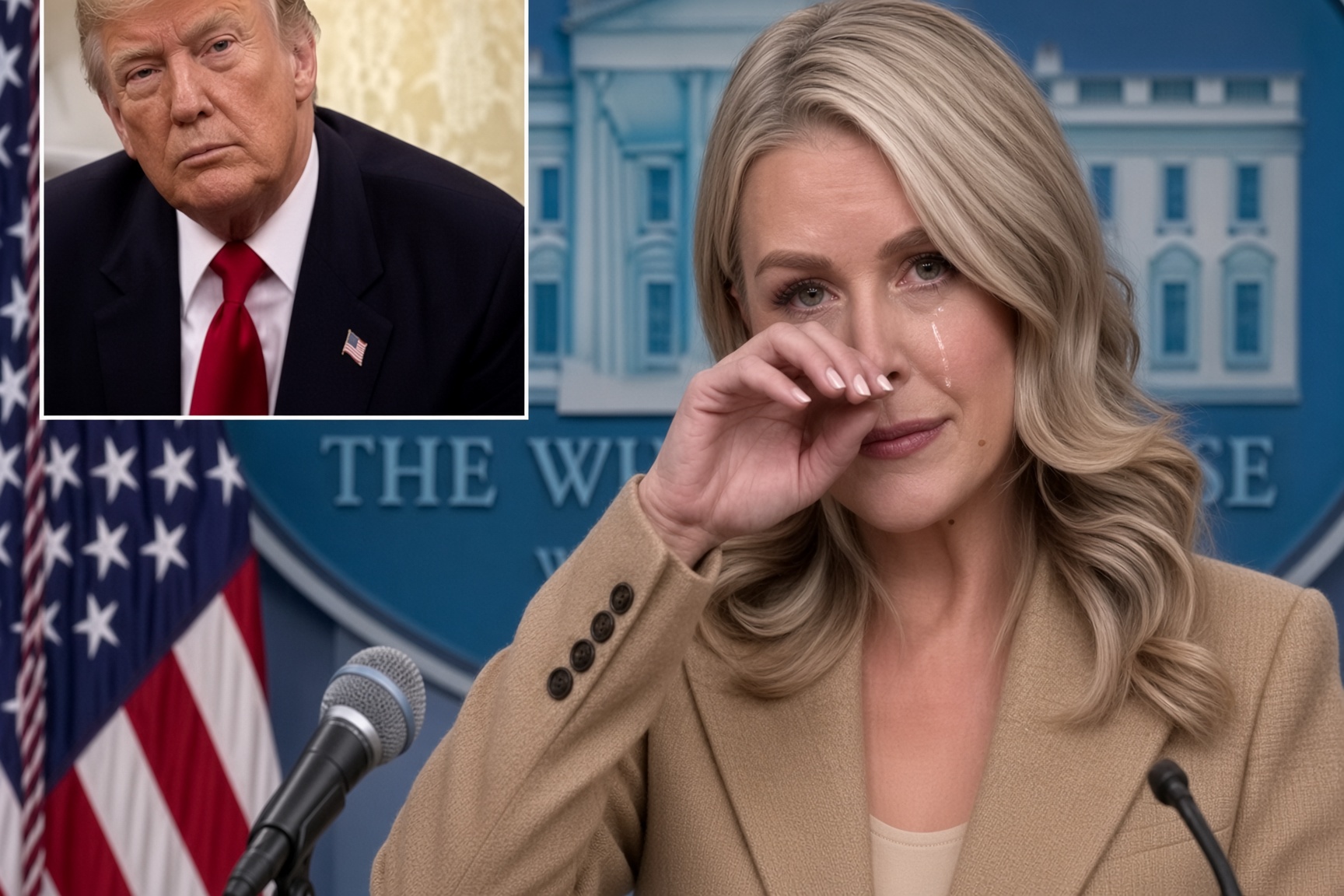
WASHINGTON — White House Press Secretary Karoline Leavitt offered a robust defense of the Trump administration’s changes to White House press operations during an onstage discussion with Axios co-founder Mike Allen. She maintained that limiting the automatic standing of longtime outlets such as the Associated Press represents an effort to update coverage practices rather than a targeted campaign against critical media.
The exchange highlighted growing tensions between the administration and the Washington press corps over who controls access to the president. At the center of the disagreement is a long-standing practice in presidential journalism: whether permanent slots in the traveling press pool and other high-level settings should remain tied to established wire services and legacy organizations, or whether the White House should reallocate those positions among a broader mix of digital outlets, podcasters, and independent voices.
The immediate point of friction involved recent steps to remove the Associated Press from its traditional permanent place in the 13-member White House traveling press pool. Allen asked whether that move risked weakening the historical record, noting the work of AP photojournalist Evan Vucci, whose image of Donald Trump raising his fist after the July 2024 assassination attempt in Butler, Pennsylvania, won a Pulitzer Prize. Leavitt rejected the idea that the changes amount to restrictions on the press. She argued that fixed privileges for a handful of wire services no longer make sense in a transformed media environment and asked why any single organization should occupy a pool seat every day.
Leavitt pointed to the hundreds of reporters who already hold White House hard passes and the thousands more accredited nationwide. In her view, the current pool structure concentrates access among a small group of legacy outlets and leaves less room for digital-first publications. She cited outlets such as Axios as examples of organizations that could benefit from a more open rotation. “The media landscape has transformed completely, and the West Wing press structure should reflect that reality,” she said, framing the adjustments as the removal of outdated privileges rather than retaliation for unfavorable coverage.
Allen also raised objections from the White House Correspondents’ Association, the independent group that has long managed pool rotations, seating arrangements, and travel logistics. The association has maintained that the government should not decide which journalists are positioned to scrutinize it. Leavitt challenged that institutional role, contending that an unelected board of media representatives should not hold exclusive authority over which reporters board Air Force One or enter the Oval Office for sensitive meetings. She asserted that the executive branch has the latitude to shape a more expansive access system that distributes prime opportunities beyond a narrow set of traditional organizations.
Responding to suggestions that the changes amount to an ideological filter designed to favor friendly coverage, Leavitt noted that major news organizations critical of the administration continue to receive daily credentials and attend televised briefings. She described the shift as an operational adjustment that aligns with the president’s preference for engaging nontraditional formats, including podcasts and digital creators, rather than relying primarily on formal press conferences.
The discussion also addressed measures of presidential availability. Allen referenced an Axios comparison showing that former President Joe Biden had held 164 combined press conferences and interviews at a similar point in his term, while Trump had conducted 468. Media analysts have observed that such tallies can mix brief hallway encounters and friendly radio appearances with longer, more structured sessions. Leavitt presented the higher figure as evidence of greater accessibility and a preference for direct engagement over rigidly scheduled events.
The exchange underscores a broader institutional shift. Press-freedom advocates contend that when the White House directly curates pool membership, it creates the risk of favoritism toward outlets that provide more favorable coverage while limiting the presence of rigorous, independent watchdogs. The administration, by contrast, portrays the changes as a necessary response to an outdated system dominated by a small number of legacy organizations. As traditional news bureaus defend established protocols, the administration’s approach indicates that access to the highest levels of the executive branch will increasingly depend on arrangements managed by the White House itself rather than by long-standing press associations.
The outcome of this contest will shape how future administrations interact with the journalists assigned to cover them and how the public receives accounts of presidential activity.