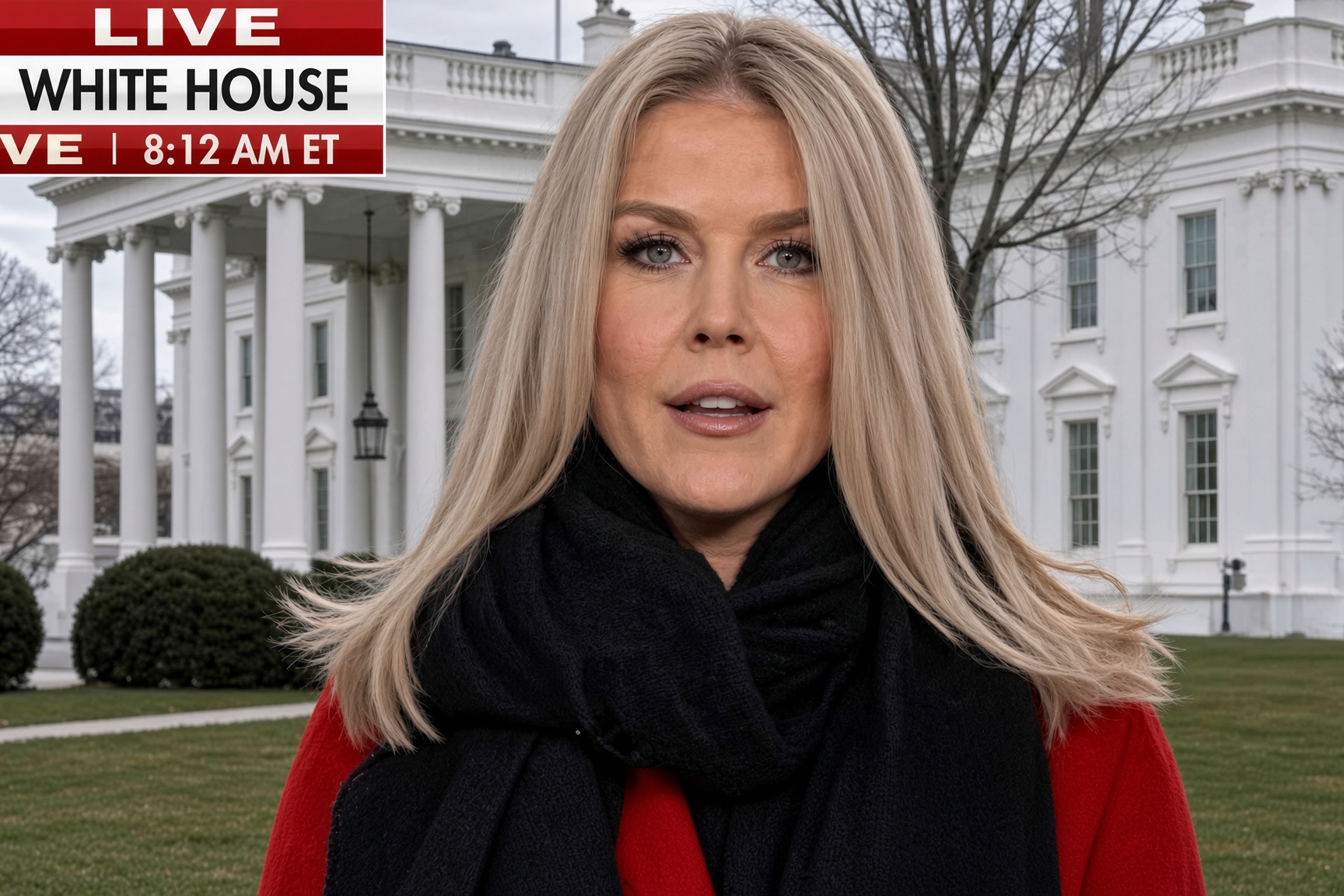
The Trump administration has launched a “Deferred Resignation Program” aimed at nearly 2 million civilian federal employees. Under the plan, workers who agree to resign by February 6 will continue receiving full pay and benefits through the end of September. Officials present the offer as a cost-cutting measure and an effort to restore on-site work after years of widespread remote arrangements.
The White House has pointed to low in-person attendance in Washington, D.C., where only about 6 percent of federal employees are reported to be working on-site. Administration officials argue that the current level of remote work has reduced productivity and weakened oversight. Supporters describe the program as a voluntary option for employees who prefer not to return to the office, allowing them to exit with continued compensation rather than face a mandatory return-to-office policy.
White House Press Secretary Karoline Leavitt rejected claims that the initiative is a political purge. “This policy is about efficiency and savings for taxpayers — not politics,” she said, framing it as a step toward a leaner and more accountable workforce.
Labor unions and employee advocates have raised strong objections. They warn that the program could pressure experienced career staff to leave, stripping agencies of institutional knowledge and weakening the government’s capacity to deliver services. Critics contend that workers may not feel truly free to decline the offer, especially if they fear future workplace changes or performance pressures tied to the return-to-office push. They also caution that large-scale departures could disrupt essential programs that millions of Americans rely on.
The proposal has intensified debate over the balance between government efficiency and workforce stability. Questions remain about whether the plan will produce meaningful savings without harming morale or public services, and whether the departures will be genuinely voluntary. As the February deadline approaches, the program is emerging as one of the most significant federal workforce policies of the Trump administration, with lasting implications for how the government is staffed and managed.