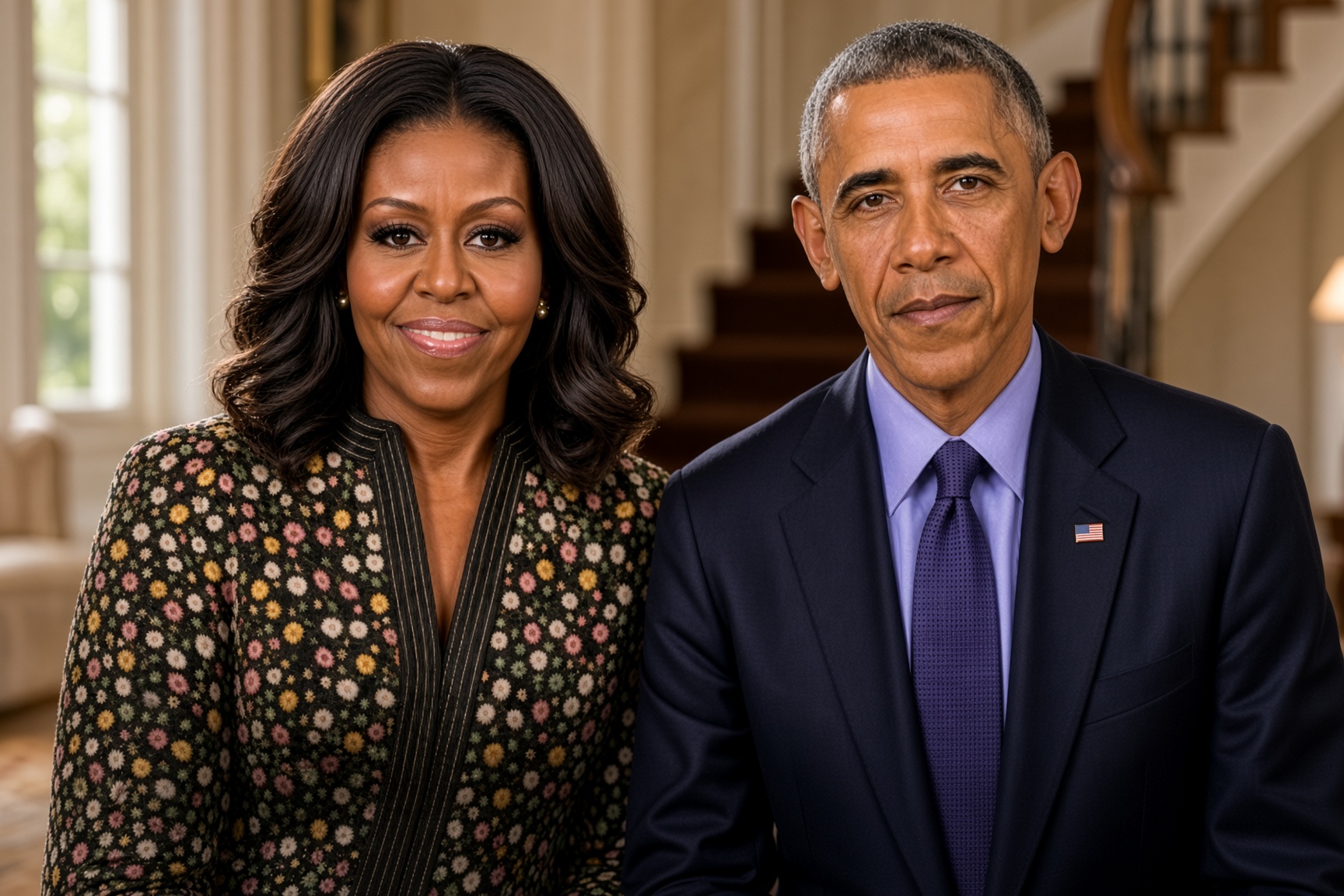
Marian Robinson, the mother of former First Lady Michelle Obama, died at the age of 86. The Obama family announced her passing, describing her as a deeply loved mother, grandmother, sister, and friend whose wisdom and quiet strength shaped several generations. Her death marked the end of a life defined less by public visibility than by the steady influence she exerted within her family, particularly during the years the Obamas occupied the White House.
Long before national politics altered the rhythms of their household, Robinson occupied a central place in the home Michelle later recalled. She encouraged independence in her children, listened without rushing to judgment, and allowed them room to form their own opinions. Her guidance tended toward the practical rather than the dramatic. Family members often noted that she could reduce a complicated problem to a single clear observation, making the sensible path easier to recognize. That combination of restraint and directness became one of the qualities her children carried forward.
When Barack Obama won the presidency in 2008, Robinson agreed to move into the White House. The decision placed a private woman inside one of the most closely observed residences in the world. She did not seek a political role or public attention. Her primary concern was helping her granddaughters, Malia and Sasha, maintain a measure of ordinary stability while their parents managed the demands of the office. She attended school events, provided care when schedules tightened, and reinforced familiar expectations. Amid security details, formal dinners, and constant scrutiny, she offered the continuity of family life.
Robinson preserved a notable degree of personal independence even inside that environment. Accounts from the Obama years described her exploring Washington on her own terms, speaking easily with staff members, and occasionally traveling without drawing attention to her connection to the first family. She was widely respected for remaining herself rather than allowing proximity to power to reshape her identity. Michelle Obama frequently credited her mother with supplying both emotional support and unvarnished judgment. Marian was proud of her daughter and son-in-law, yet she was not impressed by status for its own sake. That grounded attitude helped the family navigate the praise, criticism, and unusual pressures that accompanied the presidency.
After the Obamas left the White House, they continued to speak of the role Robinson had played behind the scenes. Her influence appeared in their emphasis on family loyalty, education, service, and treating others with dignity. She did not require a podium to affect the course of events; she did so by raising children and grandchildren who carried her values into public life. In their tribute, the family expressed the emptiness created by her death while also recognizing the gift of having had her for so many years. Public condolences arrived from political figures and from ordinary families who recognized the loss of a beloved matriarch.
Marian Robinson’s death is first and foremost a private loss for those closest to her. At the same time, her life illustrates how history is often sustained by people who never ask to stand at its center. While cameras followed presidents and first ladies, she protected the family’s foundation. Her legacy resides in the people she raised, the grandchildren she guided, and the calm strength she brought to an extraordinary chapter of American life.
Her story resonated because many families recognize that form of influence. Grandparents frequently supply childcare, preserve traditions, deliver difficult truths, and offer stability during periods of change without receiving public credit. Robinson performed those familiar duties in an unfamiliar setting. The address was historic, yet the work remained personal: showing up, listening, and keeping children connected to ordinary expectations. The tributes that followed her death therefore honored more than her proximity to political power. They honored a woman whose steady presence allowed others to meet extraordinary responsibilities. The country knew her name because of the White House, but her family had known her value long before.