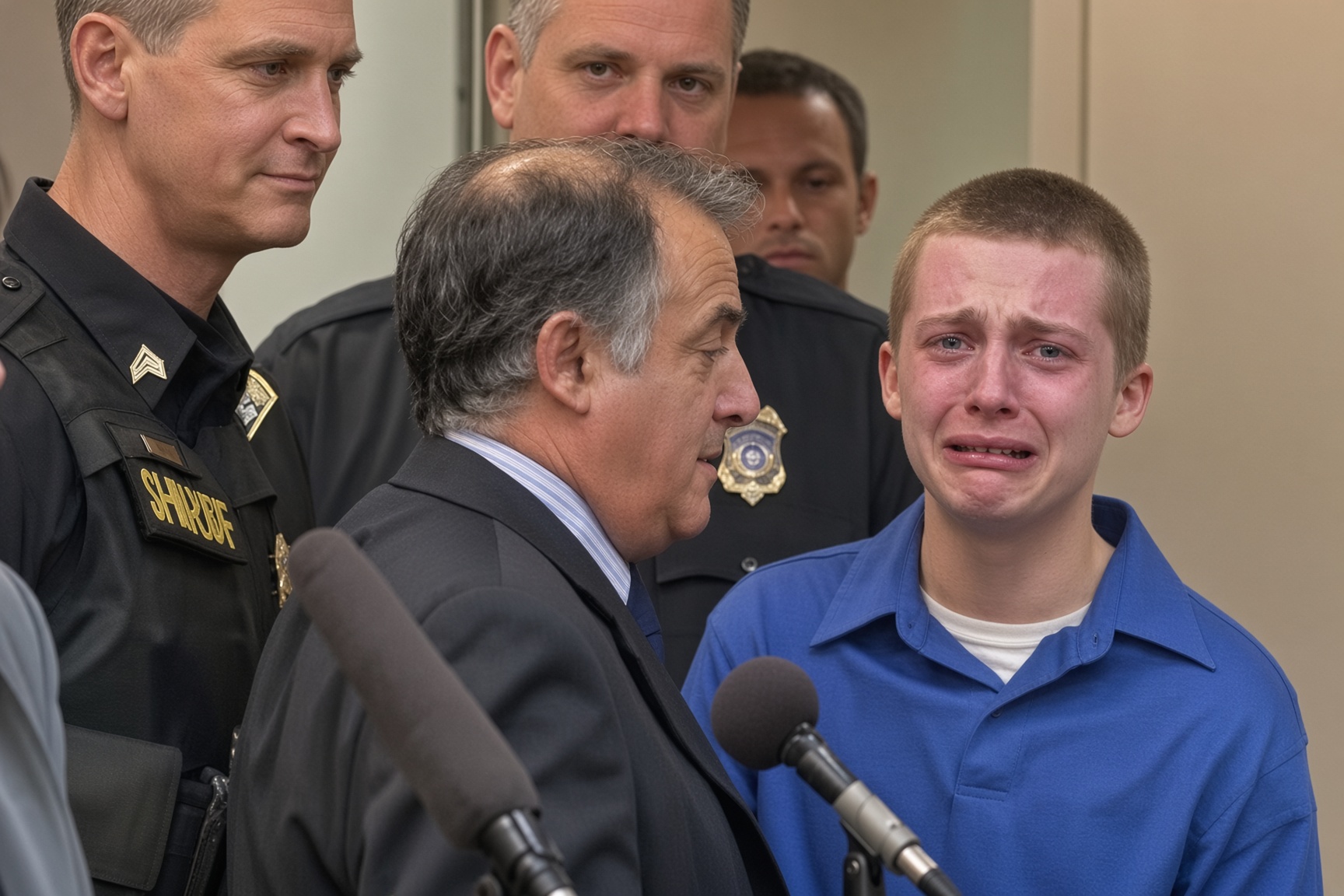
The courtroom fell silent as the judge handed down a sentence that left the room stunned: 452 years in prison for a teenager. Victims wept. Spectators sat motionless. Across the country, the ruling ignited a fierce national argument about what justice truly requires.
For the victims and their families, the sentence was more than a number. It was formal recognition of the fear, trauma, and irreversible loss they had endured. Their accounts of shattered lives filled the courtroom and made clear that no term, however long, could fully restore what had been taken. To many, the extraordinary sentence was a necessary declaration that the harm inflicted carried permanent consequences.
Yet the decision also prompted urgent questions from legal scholars, human rights advocates, and community leaders. They noted that the adolescent brain continues developing well into the mid-twenties, shaping judgment, impulse control, and the capacity to grasp long-term consequences. While accountability remains essential, they argued that sentencing a teenager to spend the rest of his natural life behind bars risks erasing any possibility of rehabilitation or personal transformation.
Faith leaders called for a measure of compassion alongside punishment. Legal experts cautioned against allowing public outrage to set the outer limits of criminal penalties. The case, they said, forced a deeper reckoning: society must protect the public and acknowledge victims’ suffering, yet it must also decide whether justice is solely retributive or whether it can leave room for the chance that a young person might change.
In the end, the sentence transcended one defendant and one courtroom. It compelled the nation to examine its core beliefs about responsibility, forgiveness, and second chances. Victims deserve to be heard and protected. Society deserves safety. The unresolved question is whether a system of justice can hold both principles at once—or whether, in cases of profound harm, the possibility of redemption must be set aside entirely.