In the aftermath of Kamala Harris’s defeat to Donald Trump in the 2024 presidential election, a pointed internal analysis has highlighted significant strategic failures and deep divisions among her allies. Debate within her circle began almost immediately, with some attributing the loss primarily to the timing of Joe Biden’s late withdrawal from the race. Others firmly rejected that explanation, arguing it overlooked more fundamental problems in how the campaign was run.
Former staffers offered a more direct assessment: the campaign fundamentally misunderstood the political landscape. According to insiders, this misreading started early. The team treated Harris’s candidacy as a straightforward continuation of Biden’s existing coalition rather than a new race requiring its own strategy and verification of support. They assumed strong backing from key groups without rigorous testing, and optimism frequently outweighed hard data. This created persistent blind spots, particularly in critical regions where voter sentiment was shifting.
As momentum moved against Harris, internal blame intensified. Staffers later admitted the campaign never fully grasped the priorities or concerns of pivotal voter blocs. The result was a strategy that failed to adapt as conditions changed.
Former San Francisco mayor Willie Brown delivered some of the sharpest criticism. Drawing on the Democratic Party’s earlier loss with Hillary Clinton, Brown argued that the Harris campaign ignored hard-won lessons from past elections. “They didn’t question assumptions,” he said, adding that the team repeated earlier mistakes instead of confronting difficult questions about the electorate. His comments reflected broader frustration over overlooked warning signs rather than personal animosity.
Messaging problems compounded the strategic missteps. The campaign tried to appeal to multiple groups simultaneously, which diluted its central message and left many voters unclear about what Harris fundamentally represented. Was she offering continuity with the Biden administration or a distinct change? Mixed signals weakened her appeal. Significant time and energy also went into defending Biden’s record, limiting efforts to establish Harris as an independent candidate with her own clear vision.
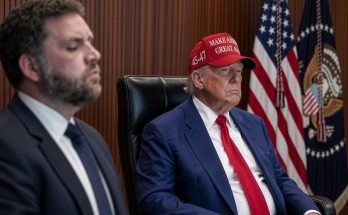
In contrast, Trump’s campaign maintained a focused and consistent message throughout. His team framed Harris as inexperienced and disconnected from everyday concerns, a narrative that resonated with his base. Large rallies reinforced that energy, and his supporters remained mobilized even as Harris’s momentum declined. The opposing campaign proved more effective at defining the race on its own terms, while Harris’s operation struggled to respond decisively once the narrative shifted.
The final weeks exposed the depth of these strategic gaps. Some staffers described the late-stage approach as improvised. Key battleground states received insufficient attention, and outreach to rural and Latino voters came too late to shift dynamics. Support among younger voters softened, and local concerns were often overshadowed by broad national messaging. By the time meaningful adjustments were attempted, the window for recovery had largely closed.
The defeat carried a personal dimension as well. Reports described Harris wiping away tears as results came in on election night, underscoring both the political and symbolic weight of the loss. Supporters across the country expressed empathy, yet behind the scenes, internal reflection continued. Brown’s critique echoed wider concerns about the need for greater realism in future Democratic campaigns: assumptions must be tested, difficult questions asked early, and strategies built around verified understanding of voters rather than inherited coalitions or unchecked optimism.
Taken together, the post-election analysis points less to a single external factor and more to internal failures of adaptation, clarity, and self-examination. The campaign entered the race treating continuity as an asset without sufficiently recalibrating for a changed political environment. That approach, combined with diluted messaging and delayed outreach, left it poorly positioned against a more disciplined and consistent opponent. The divisions that followed reflect ongoing disagreement over which of these shortcomings mattered most—but few close to the effort now dispute that the strategy itself fell short.