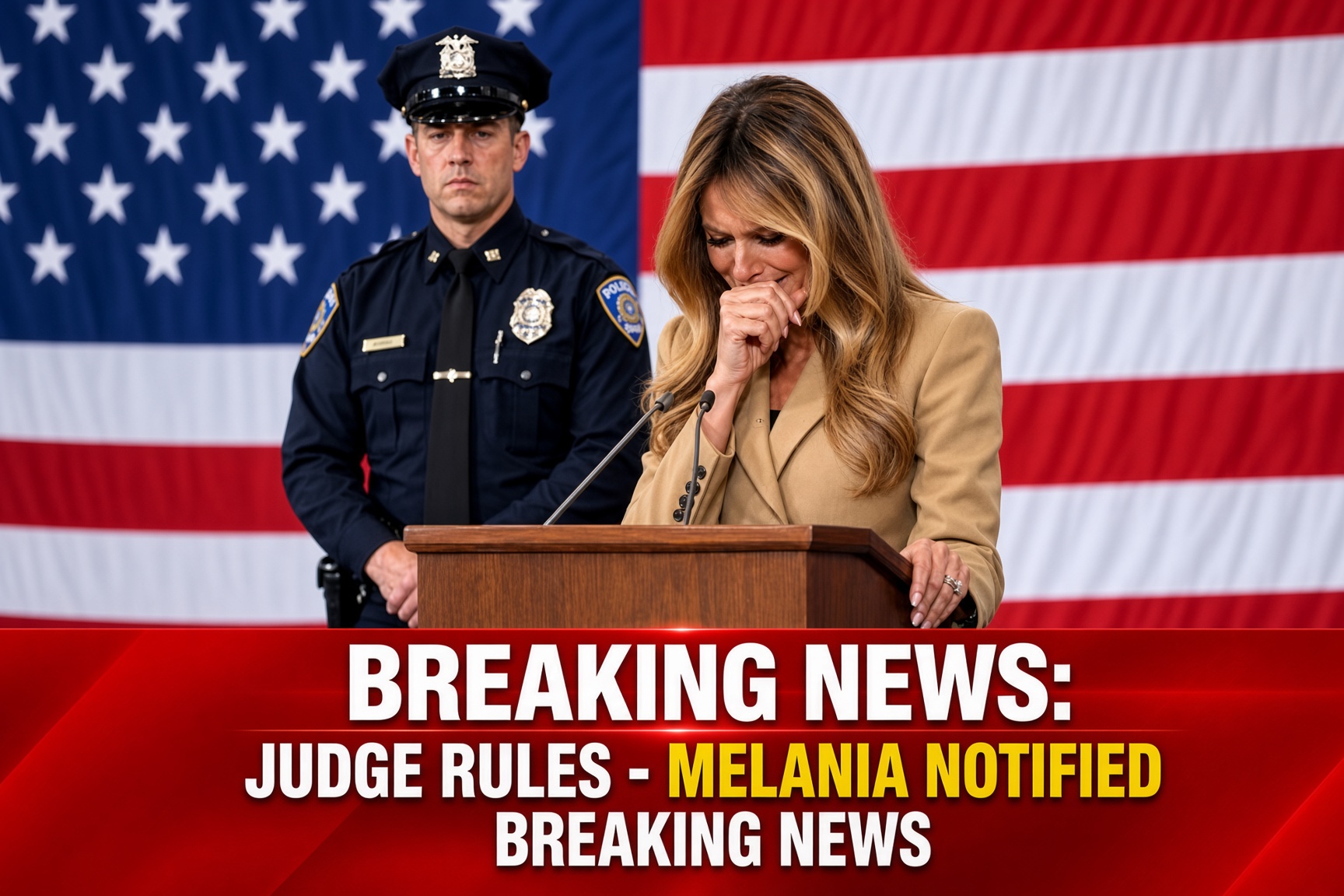
A federal judge in Manhattan on Friday dismissed a preemptive lawsuit filed by author and journalist Michael Wolff against First Lady Melania Trump, sharply criticizing the case as a contorted and improperly presented effort to secure an advance ruling on a potential defamation claim.
U.S. District Judge Mary Kay Vyskocil, appointed by President Trump, declined to exercise jurisdiction over the matter even while acknowledging that a genuine dispute exists between the parties. In a 45-page opinion, she described the litigation as marked by an “inappropriate level of tactical gamesmanship” and said she would not permit the court to be drawn into “an abusively presented spat.”
“While Plaintiff and the First Lady have a real dispute, they must litigate it according to the same procedures as everyone else,” Vyskocil wrote. “Plaintiff asks for a declaration that, if the First Lady sues him, he deserves to win. That is not how the federal courts work.”
The case originated with public statements by Wolff that linked Melania Trump to the late financier Jeffrey Epstein, who died in a New York jail cell in 2019 while awaiting trial on federal child sex-trafficking charges. Last year, Melania Trump’s attorney, Alejandro Brito, sent Wolff a demand letter insisting that he retract the statements. The letter warned that failure to do so would leave the first lady with “no alternative” but to sue for defamation, citing “overwhelming reputational and financial harm.”
In response, Wolff filed suit in New York state court in October, seeking to block any potential $1 billion defamation action. He argued that certain of his remarks constituted protected opinion or had been taken out of context, and he claimed the Trumps have a pattern of deploying legal threats to silence critics. Brito subsequently removed the case to federal court.
Vyskocil’s ruling effectively returns the dispute to conventional litigation channels rather than allowing Wolff to obtain a preemptive judicial shield. A spokesperson for the first lady welcomed the decision, stating that Melania Trump “is proud to continue standing up to, and fighting against, those who spread malicious and defamatory falsehoods as they desperately try to get undeserved attention and money from their unlawful conduct.”
In an April White House press conference, Melania Trump publicly rejected the allegations. “The lies linking me with the disgraceful Jeffrey Epstein need to end today,” she said. She denied any friendship or involvement with Epstein or his associate Ghislaine Maxwell, stating that she had never visited his private island, flown on his plane, or possessed knowledge of his crimes. She emphasized that she met her future husband independently at a New York party in 1998 and characterized efforts to connect her to Epstein as mean-spirited attempts to damage her reputation.
Wolff has maintained that he never accused the first lady of criminal involvement with Epstein and that some of his comments referred instead to her behind-the-scenes role in managing White House matters connected to the scandal. Following receipt of Brito’s letter, The Daily Beast retracted an article based on an interview with Wolff.
At the time of Melania Trump’s April statement, the matter drew bipartisan reaction in Congress. Republican Representative Nancy Mace praised the first lady for standing with Epstein victims and for her advocacy on issues including deepfake intimate images. Democratic Representative Robert Garcia echoed the call for congressional hearings that would allow victims to testify under oath.
Wolff, author of several books on the Trump administration, has portrayed the legal pressure as part of a broader campaign to intimidate critics. Friday’s dismissal does not address the underlying merits of the dispute, leaving open the possibility of further litigation, potentially in Florida, where the first lady has pursued other claims.