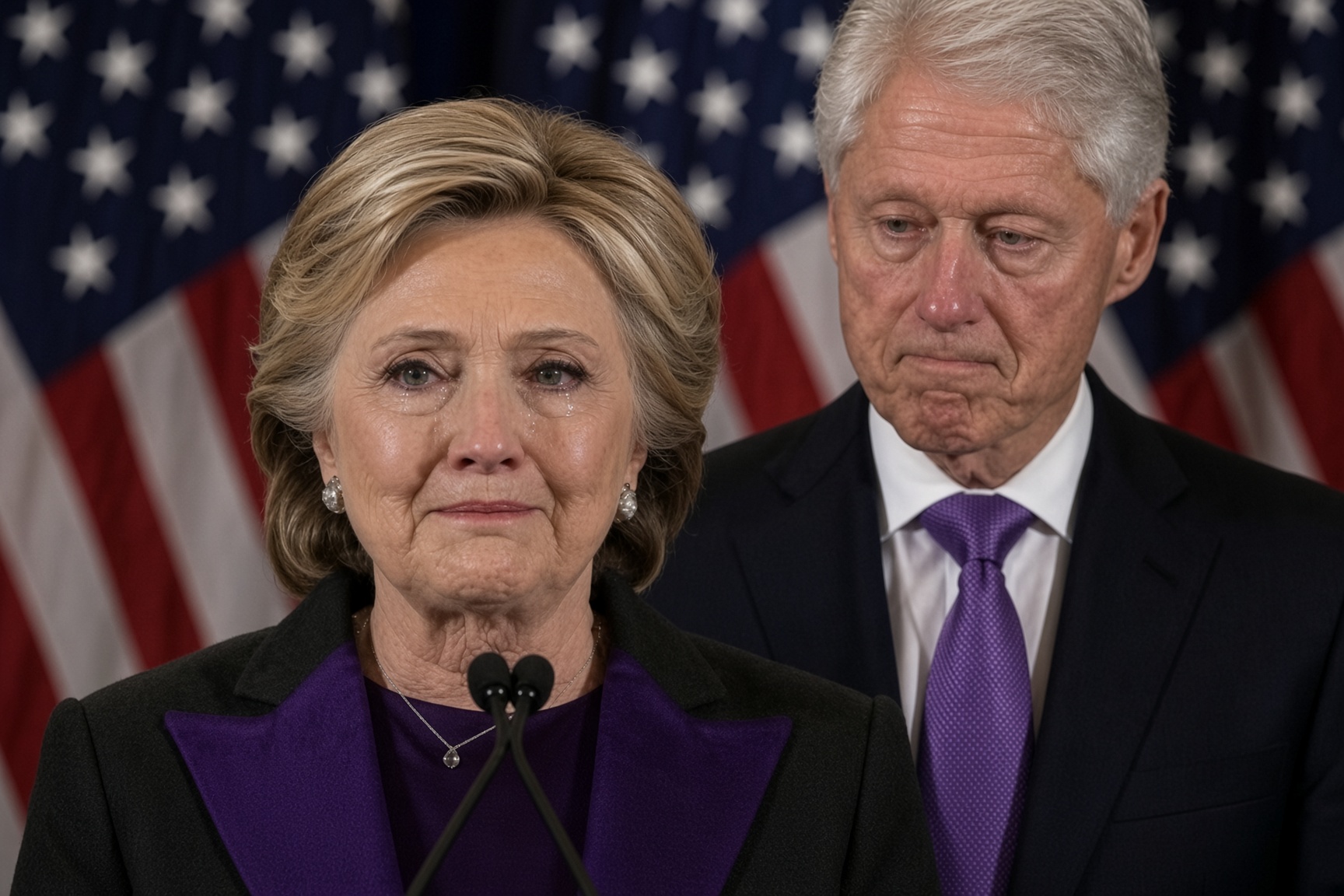
Gloria Steinem, the pioneering feminist activist and co-founder of Ms. magazine, died on September 3, 2026, at the age of 92 in her New York City home, surrounded by loved ones. Her death prompted widespread tributes from political leaders, activists, and generations of women shaped by her work, including a personal and pointed remembrance from Hillary Clinton.
Steinem emerged as one of the most recognizable voices of the women’s rights movement in the late 1960s and 1970s. Through her writing, public speaking, and organizing, she challenged traditional expectations of women’s roles and helped bring issues of workplace discrimination, reproductive rights, gender equality, and social expectations into mainstream conversation. As co-founder and consulting editor of Ms., she created an important platform for feminist ideas that reached a broad audience. Her decades of activism, which continued into her nineties, also included founding or co-founding groups such as the National Women’s Political Caucus, the Women’s Media Center, and the Ms. Foundation for Women. In 2013, President Barack Obama awarded her the Presidential Medal of Freedom.
Clinton and Steinem had known each other for years, their relationship rooted in a shared commitment to expanding opportunities for women. Clinton, the first woman nominated for president by a major U.S. political party, frequently crossed paths with Steinem over the course of her own public career as a lawyer, first lady, U.S. senator, and secretary of state. The two shared a natural connection through the women’s rights movement that Steinem helped define and that shaped the landscape in which Clinton’s career unfolded.
In the days after Steinem’s death, Clinton appeared on CBS Mornings and described herself as “heartsick,” speaking for “everyone who not only knew her but followed her, was inspired and challenged by her.” She recalled first becoming aware of Steinem in the 1960s and 1970s: “all of a sudden this incredibly smart, beautiful, talented woman began talking about how women should have equal opportunity, how we should aim for the stars, be able to pursue our own dreams.” Clinton noted that she had visited Steinem at her home the previous year, where the two shared what she called “the most incredible conversation.”
Rather than focusing solely on public achievements, Clinton emphasized Steinem’s character and enduring outlook. “Gloria was at heart an optimist. Her activism was rooted in optimism, and that’s a moral choice, and she made it every day,” Clinton said. She described Steinem as “one of the architects of the entire structure of women’s equality,” crediting her with helping tear down barriers so that “young women [could] participate where their talents and hard work took them.” Clinton specifically pointed to Steinem’s influence in making possible achievements such as Sally Ride becoming an astronaut, the passage of Title IX opening opportunities in sports and education, and broader advances in reproductive rights.
Clinton also urged younger generations to carry the work forward. “I’m hoping that young women realize that the fight is worth it. It is exhilarating,” she said, adding that she hoped Steinem’s voice would “remain in our heads” amid ongoing challenges to women’s equality. She encouraged women not only to pursue their own dreams but to “reach out and lift up others.”
Steinem’s influence extended well beyond any single campaign or generation. She helped normalize discussions of equality, discrimination, and reproductive freedom in American political life. For many women who grew up reading her work, hearing her speeches, or encountering her activism, she represented a generation that questioned institutions and social norms long taken for granted. Clinton’s tribute carried particular weight because her own path—from lawyer and first lady to senator, secretary of state, and presidential nominee—unfolded in the changed landscape Steinem and others helped create. She was mourning not only a longtime acquaintance but a figure whose work belonged to a larger movement that affected the course of her generation.
The women’s movement has evolved significantly since Steinem first became nationally prominent. Some battles have been won; others remain contested. Her death marks both a personal loss for those who knew her and the closing of an important chapter. Yet the issues she spent her life addressing remain part of public conversation. Women who encountered her ideas have carried them into politics, journalism, business, education, and countless other fields. Clinton’s comments reflected that continuing influence, framing the sadness of the moment alongside appreciation for the life Steinem lived and the changes she helped inspire.
Behind the formal statements and headlines was a more human note: one public figure grieving the death of a longtime friend and influential voice. For Clinton, Steinem was someone whose example encouraged others to imagine a different future. For generations of women, her voice remains part of the history she helped create.