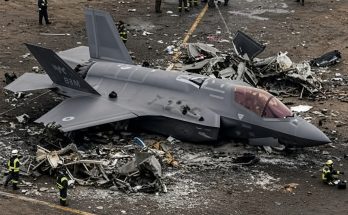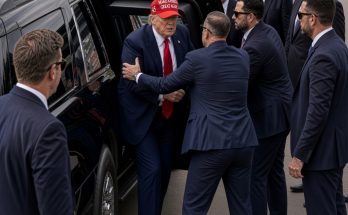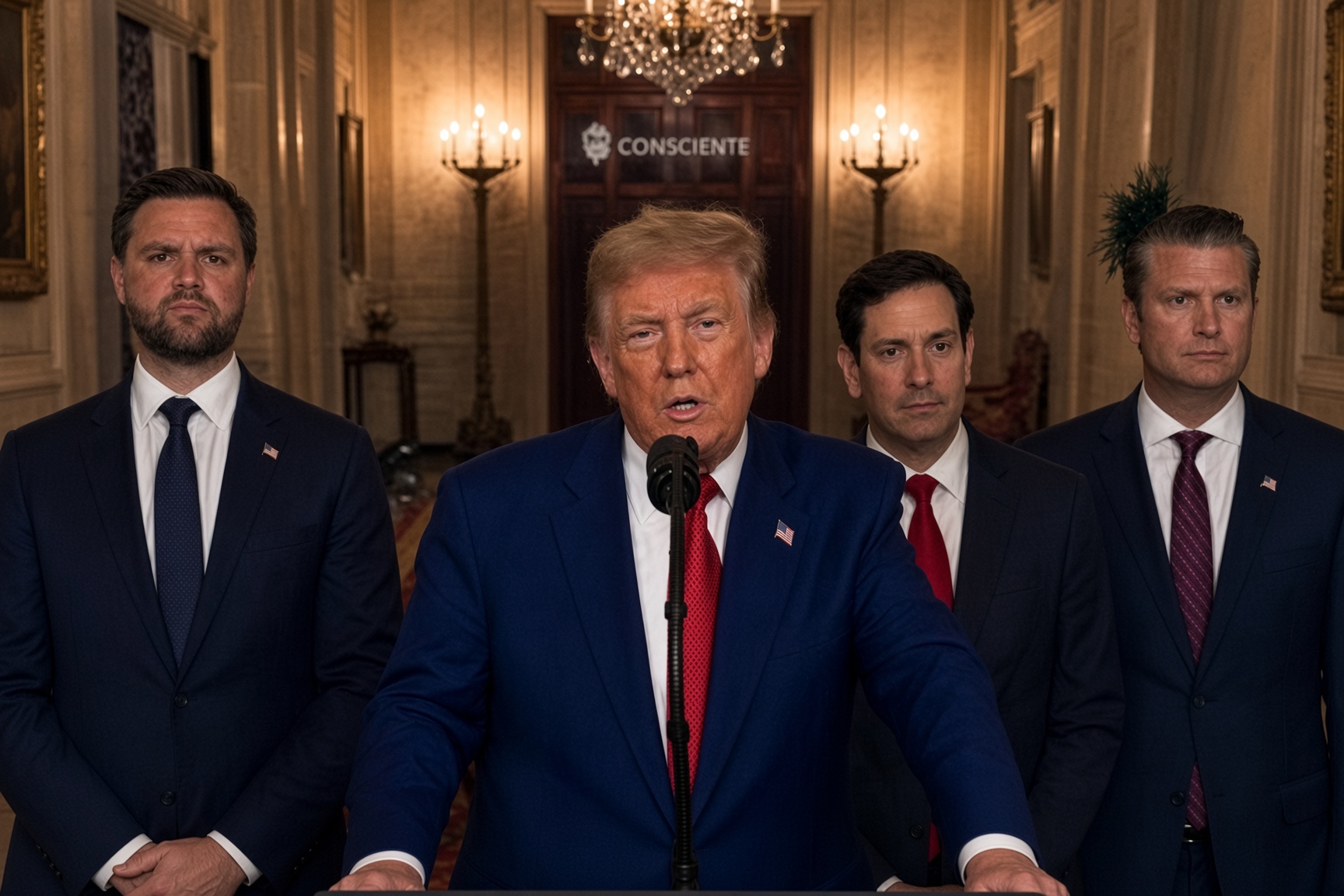
As of early 2025, the Middle East is experiencing one of its most precarious periods in years, with Israel at the center of rapidly circulating but unverified claims of coordinated military strikes. Multiple sources describe explosions and unusual aerial activity over or near Israeli territory, yet official confirmation remains absent. Defense authorities are working to establish whether the incidents originated from a state actor operating through proxies, from established militant groups, or from a combination of both. In a region long defined by overlapping proxy wars and unresolved grievances, either explanation is plausible and carries significant risk.
The reports arrive against a backdrop of steadily deteriorating stability. Ceasefire arrangements that had held for months have frayed. Long-dormant rivalries have re-emerged, and shifting political alignments have narrowed the margin for error. Analysts note that the current environment resembles a classic powder-keg scenario: competing powers are probing red lines, non-state actors are testing opportunities created by chaos, and diplomatic channels are under strain. Any confirmed attack on Israel would not remain a bilateral matter; it would immediately engage the interests of multiple regional and external actors.
Inside Israel, government and military leadership have entered continuous crisis briefings. Officials face the dual challenge of verifying incoming intelligence while filtering a flood of social-media claims that spread faster than traditional verification processes. A misjudgment in either direction carries high costs. An overreaction based on incomplete data could widen the conflict; delayed action could invite further strikes. Military planners are therefore reviewing a range of response options while air-defense systems remain on heightened alert and border security measures tighten.
The regional cast of potential actors further complicates the picture. Iran, Hezbollah in Lebanon, various Syrian-based groups, and other non-state militias each possess both the capability and, in some cases, the stated motivation to conduct or facilitate such operations. Intelligence services are attempting to determine whether the reported events represent isolated incidents or the opening phase of a broader, coordinated campaign. At the same time, Israel’s traditional partners are monitoring developments closely and preparing contingency plans of their own.
International reactions have followed a familiar pattern. Several capitals have issued public calls for restraint, urging all parties to avoid escalation while investigations continue. Diplomats privately acknowledge, however, that such appeals have limited leverage when underlying strategic competitions remain unresolved. The central question—what exactly occurred and who bears responsibility—can ultimately be answered only by Israel itself, and the manner of that answer will shape the next phase of events.
For populations across the region, the immediate effect is heightened anxiety. News organizations have shifted to continuous coverage, families are adjusting daily routines, and the sense that the area may be approaching a decisive inflection point is widely shared. Whether the coming days produce a limited exchange, a larger confrontation, or a return to uneasy quiet will depend on decisions taken in Jerusalem and the reactions they provoke elsewhere.
For the moment, the situation remains defined by incomplete information and high stakes. Israel is weighing its response options under conditions of uncertainty, while regional and global actors calculate their own positions. The margin for miscalculation is narrow, and the consequences of any further escalation would extend well beyond the immediate theater. What is clear is that the Middle East once again sits at a moment in which the difference between contained tension and open conflict may be measured in hours rather than weeks.