During a marathon “vote-a-rama” session on June 4, the Senate cast a closely watched vote on the House-passed SAVE America Act. The measure, offered as an amendment by Sen. Mike Lee (R-UT), would require documentary proof of U.S. citizenship for federal voter registration and strengthen nationwide voter identification rules. It received 50 votes in favor and 49 against—enough for a simple majority, yet far short of the 60 votes required for adoption under Senate rules.
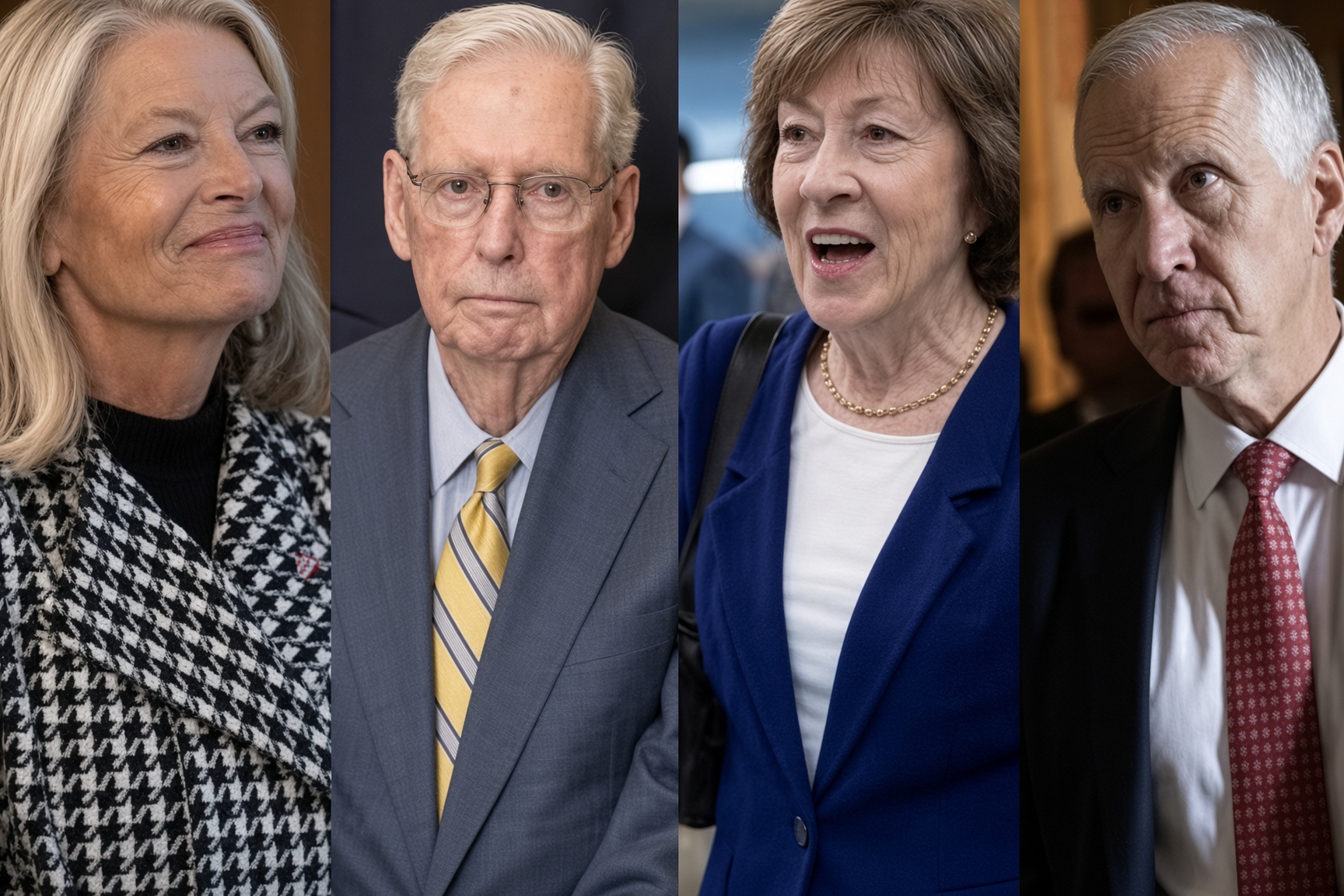
Because the proposal was advanced as a waiver of budget rules within the reconciliation process, it needed a three-fifths supermajority. Every Democrat voted no, leaving the amendment 10 votes short of the threshold. The result marked a clear improvement over an earlier election-integrity amendment offered by Sen. Lindsey Graham (R-SC). That version, which contained additional provisions beyond the House-passed SAVE Act, failed 48-50 after four Republicans—Sens. Susan Collins of Maine, Lisa Murkowski of Alaska, Mitch McConnell of Kentucky, and Thom Tillis of North Carolina—joined Democrats in opposition.
When Lee later put forward the clean House version, Collins switched her vote and supported the measure. Murkowski, McConnell, and Tillis remained opposed. The final 50-49 tally demonstrated that a Senate majority can be assembled behind the legislation. Vice President JD Vance, who as president of the Senate can cast a tie-breaking vote, was available if needed, meaning supporters effectively showed they could reach 51 votes.
Advocates argue that requiring proof of citizenship would help ensure only eligible citizens cast ballots in federal elections and would strengthen public confidence in results. The SAVE America Act has become one of the Republican Party’s leading election priorities heading into the 2026 midterms. It previously passed the House and has drawn strong backing from President Trump, Vice President Vance, and conservative advocacy groups. Republican leaders have repeatedly described citizenship verification as a core election-security issue.
Opponents counter that existing safeguards already prevent non-citizens from voting and that additional documentation requirements could create unnecessary barriers for eligible voters. The June 4 vote also sharpened the ongoing debate over the Senate filibuster. Majority Leader John Thune has repeatedly cited the 60-vote cloture requirement as the main obstacle to election-related legislation, given unified Democratic opposition. Thursday’s outcome reinforced that assessment: majority support alone was not enough to attach the SAVE Act provisions to the broader package.
As a result, the underlying roughly $70 billion immigration enforcement and border security legislation is expected to advance without the SAVE Act language. Republicans nonetheless quickly highlighted the vote as evidence that the measure enjoys majority support in the chamber. The episode has renewed attention on Senate rules and whether Republicans will pursue alternative strategies to advance the bill in the future.
For now, the SAVE America Act remains blocked by procedural requirements even though it secured a majority. The 50-49 result gives election-integrity advocates a clearer demonstration of Senate support than earlier attempts, while underscoring the continued centrality of the 60-vote threshold in determining whether the legislation can move forward.