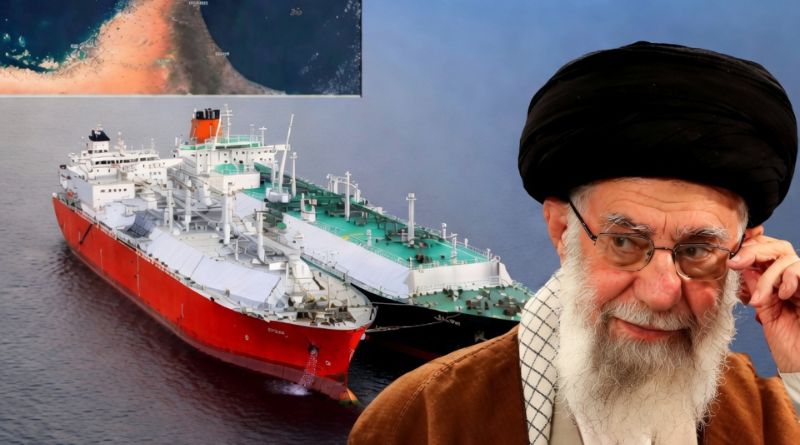
In recent days, the international community has shifted its focus toward the Middle East following reports that the Iranian Parliament has approved a measure regarding the potential closure of the Strait of Hormuz. While the implementation of such a measure remains subject to extensive legal and governmental reviews, the mere announcement has sent ripples through global energy markets, the shipping industry, and high-level diplomatic circles. The Strait of Hormuz is a narrow but vital waterway connecting the Persian Gulf to the open sea. Despite its geographic constraints, it facilitates a massive portion of the world’s liquified natural gas (LNG) and oil exports, making it arguably the most strategically significant maritime corridor on the planet. Any threat to this route forces refiners, governments, and insurers to reassess their risk profiles, as disruptions here can trigger a cascade of economic uncertainty across the globe.
Geopolitical analysts observe that financial markets often react with significant speed to such signals, frequently moving well before policies are finalized. In the current context, commodity markets and oil futures have shown heightened sensitivity to the signaling from Tehran. Energy analysts point out that the possibility of restricted access is sufficient to drive up volatility. This is reflected in rising shipping insurance premiums and freight costs, which are influenced more by the perceived risk of disruption than by any actual physical blockage. As businesses incorporate these risks into their financial models, the costs are eventually passed down the supply chain, resulting in inflationary pressure and higher fuel prices for consumers worldwide. This sensitivity highlights the fragile nature of global transit systems when faced with regional instability.
From a legal and security standpoint, the situation invokes fundamental principles of international maritime law. Most major shipping routes are protected by frameworks designed to ensure the freedom of navigation. Any challenge to these norms typically prompts a coordinated response from the international community, including increased naval patrols and the formation of security coalitions. Historically, such measures are intended to maintain regional stability and prevent dangerous miscalculations between opposing forces. Defense experts emphasize that deterrence and open lines of communication are vital to preventing escalation in areas where multiple national interests intersect, ensuring that hypothetical threats do not transition into active conflict or permanent maritime blockades.
The economic consequences of prolonged uncertainty in the Middle East are far-reaching. Because the global economy is deeply interconnected, a bottleneck in one region can disrupt manufacturing hubs and consumer economies thousands of miles away. Economists warn that if tensions persist, the lack of predictable shipping schedules could cripple industries reliant on just-in-time delivery. Furthermore, the situation underscores the importance of energy security and diversification. Over the last decade, many nations have sought to mitigate such risks by investing in alternative energy sources, varied trade routes, and strategic reserves. These strategies are specifically designed to help national economies absorb the shocks generated by geopolitical volatility in key transit regions like the Persian Gulf.
Behind the public headlines, intensive diplomatic efforts are currently underway through private channels. Governments across the globe are engaging in quiet dialogue to clarify intentions and explore de-escalation pathways. These negotiations are often complex, requiring a delicate balance of national interests, domestic political pressures, and international expectations. At the same time, international organizations and monitoring agencies are playing a critical role in providing verified data to counter the spread of misinformation. In the digital age, speculative reporting and exaggerated claims can amplify market panic and public anxiety, making it essential for investors and the public to rely on credible sources. Transparent communication from official bodies is necessary to maintain a level of calm while the situation remains fluid.
Ultimately, the potential for policy shifts regarding the Strait of Hormuz serves as a stark reminder of the world’s global interdependence. The decisions made within the Iranian Parliament have the power to influence household budgets, investment decisions, and diplomatic priorities on a global scale. While it is important to note that a legislative vote is not the same as immediate action, the current atmosphere of vigilance is likely to persist as observers look for signs of implementation. As the situation evolves, the resilience—or fragility—of international systems will be tested. The path forward will require a combination of strategic patience, international cooperation, and a commitment to maintaining the free flow of commerce that sustains the global economy.