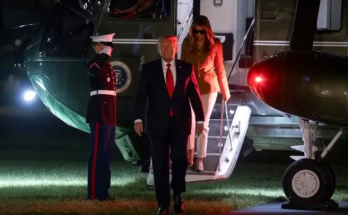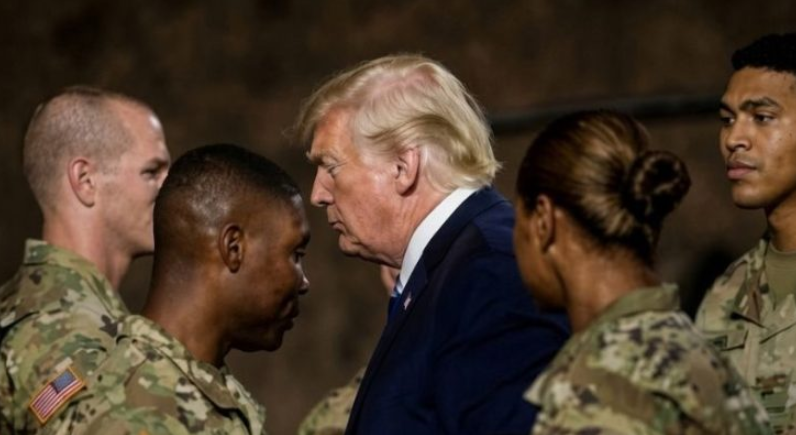
Reports that some U.S. service members may be declining certain duties, while still unconfirmed, point to uncommon internal pressure within the American defense establishment. The reports emerge against sharper public statements from Donald Trump about possible strikes on Iranian civilian infrastructure, including power plants and bridges.
Legal scholars and humanitarian organizations have cautioned that large-scale attacks on systems essential to civilian life can violate international humanitarian law and the laws of armed conflict. The risk is concrete rather than theoretical. Deliberate damage to electricity grids, transport networks, and related infrastructure tends to harm civilian populations first and military targets second. Historically, such campaigns have rarely produced the political collapse their authors intended. More often they harden nationalist sentiment, reinforce the targeted government’s narrative of resistance, and complicate any subsequent diplomacy.
In Washington the reaction has been rapid. Senator Chris Van Hollen and other lawmakers have described the posture as reckless and without a coherent strategy. Some members of Congress worry that executive decisions are outpacing legislative oversight. Constitutional and statutory mechanisms governing the use of force—authorization, debate, and funding—exist precisely for moments when events move faster than deliberation. A crisis that bypasses those checks increases the chance of poorly bounded or unauthorized escalation.
Strategically the outlook is no clearer. Tehran has shown little willingness to yield under public threat. External pressure frequently strengthens hard-line factions inside Iran and narrows space for de-escalation. Analysts also note the absence of a defined endgame. Without a realistic political objective and a credible exit path, military action risks sliding into a prolonged contest that consumes resources and lives without delivering a stable settlement.
The wider stakes are substantial. A campaign against civilian infrastructure would not remain a bilateral matter; it would affect energy markets, regional alliances, and calculations among major powers. Perception can matter as much as any initial strike. A single miscalculation could lock both sides into a cycle of retaliation that neither can easily halt.
Diplomats therefore treat communication as the immediate priority. Some reports indicate that back-channel contacts are already being used to test whether a pause remains possible. The question now is whether restraint and verification can still hold, or whether the region will be drawn into deeper and more durable instability.