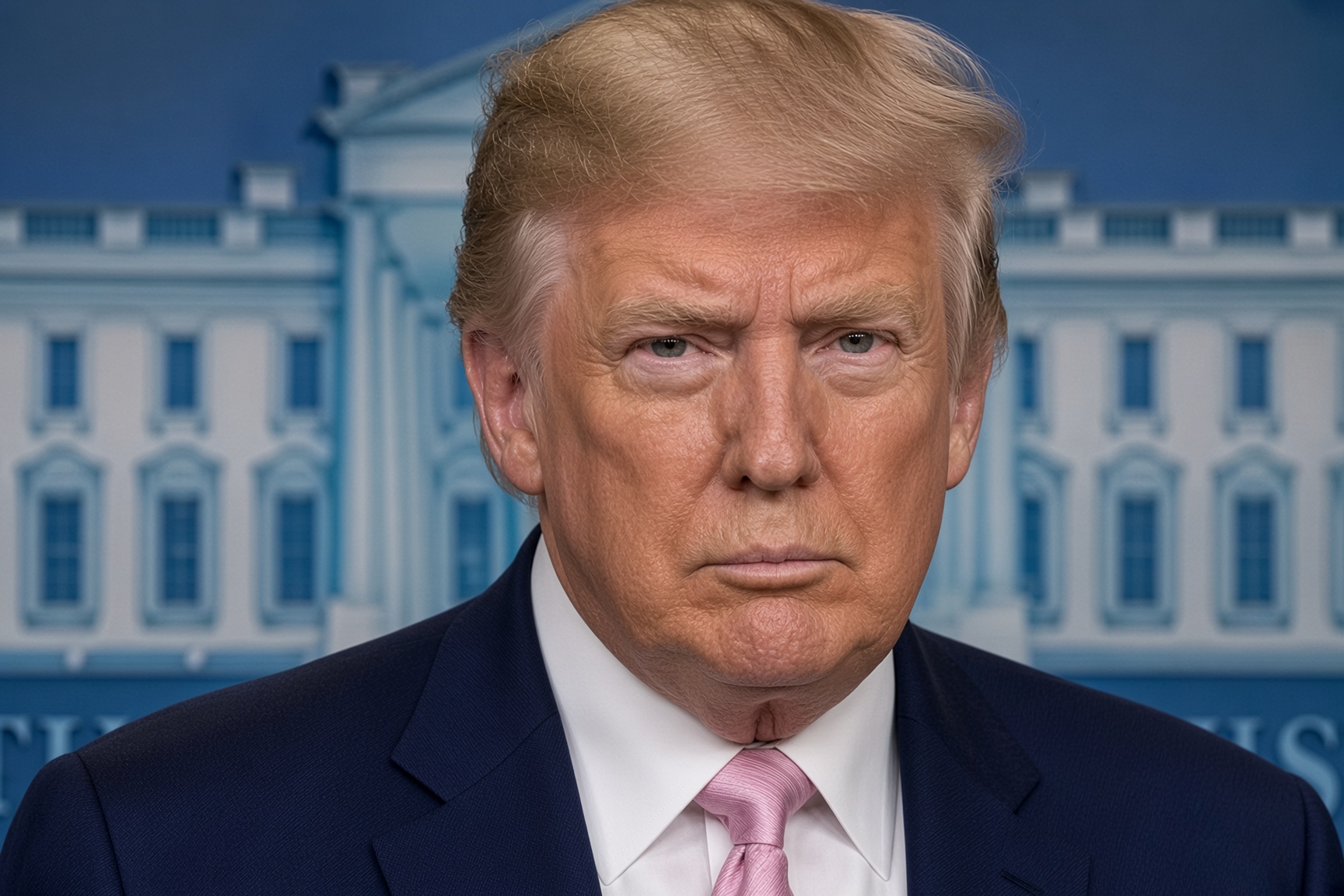
The Trump administration has expanded the federal law enforcement presence in Washington, D.C., citing public safety concerns and a commitment to reducing violent crime. Officials directed federal agencies to increase their operational role in the nation’s capital, with the stated goals of strengthening enforcement, lowering crime rates, and improving coordination among the various federal agencies active in the city.
Some residents have reported feeling safer amid the increased presence, pointing to more visible patrols and what they describe as reduced criminal activity in their neighborhoods. Supporters of the initiative have argued that a stronger federal response was needed and that the expanded operations demonstrate a clear commitment to restoring order.
Civil rights organizations and community advocates have raised concerns about the expanded federal role. They contend that heightened enforcement could increase anxiety among immigrant communities and raise questions about oversight and accountability. Some residents have also expressed uncertainty about which agencies are leading specific operations and how those efforts are being coordinated with local officials. These questions reflect broader tensions over the relationship between federal and local authorities in the District.
The debate has renewed discussion of Washington’s unique governance structure. Although the city has an elected local government, Congress retains significant constitutional authority over the District. Legal observers note that long-standing debates over federal involvement have consistently touched on public safety, home rule, and the appropriate division of authority between federal and local institutions.
As federal operations continue, officials, residents, and advocacy groups are monitoring their effects. The ongoing discussion now encompasses crime statistics, constitutional authority, community confidence, and the challenge of balancing effective law enforcement with the protection of civil liberties and respect for local governance.