A Press Under Pressure: Time for Clarity and Unity
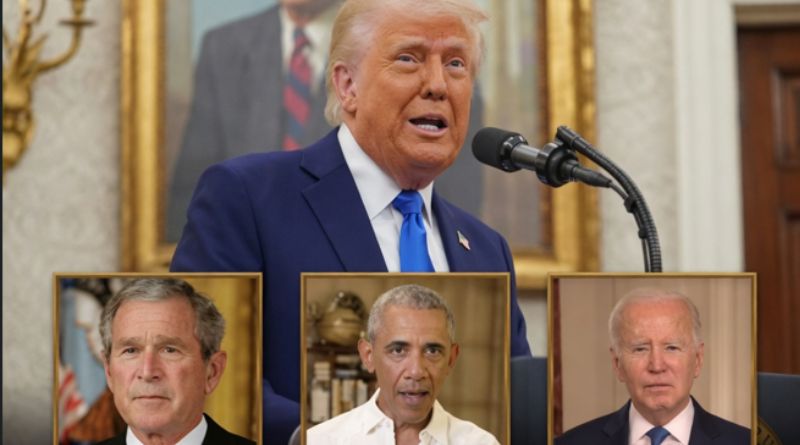
The room fell silent. Reporters exchanged glances—some stunned, others already typing furiously—as Donald Trump declared that the press itself was “going to change.” Not policy proposals. Not foreign conflicts. The target was them: their reporting, their independence, their future. In that moment, the boundary between sharp criticism and potential retaliation felt unmistakably crossed.
A free press cannot dismiss such signals as mere campaign rhetoric. When a president-elect openly suggests reshaping the media landscape, journalists have a duty to respond with urgency and purpose.
The first imperative is radical clarity. News organizations must explain, relentlessly and accessibly, why an independent press exists. It serves as a check on power, safeguards public accountability, and protects citizens by exposing corruption, abuse, and incompetence—regardless of which party holds office. History shows how quickly democracies weaken when leaders decide which stories are permissible and which outlets may operate freely. Journalists must meet this challenge by demonstrating rigorous standards: showing their work transparently, tightening editorial processes, correcting errors swiftly, and refusing to yield when pressure mounts.
The second imperative is solidarity. In an era of fragmented media, competing newsrooms should set aside rivalries to defend shared principles. This means issuing joint statements on core threats, collaborating on major investigations, coordinating legal defenses, and rejecting any attempts at gag orders, blacklists, or “access in exchange for favorable coverage” arrangements. Press freedom organizations, local outlets, digital independents, and national organizations must function as one resilient ecosystem rather than isolated brands fighting alone.
When any administration hints that constitutional norms around press freedom might bend, the response should be unambiguous: the First Amendment is not negotiable. Journalists are not subjects; they are not required to earn approval from those in power. The public’s right to know demands an adversarial press that questions authority, not one that seeks permission.
This is not about shielding the media from criticism—fair scrutiny of journalistic failures is essential and overdue. It is about refusing to let political pressure erode the institutional guardrails that keep democracy accountable. The coming years will test whether the press can rise to this moment with both principle and professionalism intact.