Israel on Heightened Security Alert Amid Renewed Regional Tensions
Jerusalem — Israeli authorities have elevated the country’s security posture to a heightened state of alert as regional tensions escalate, particularly concerning potential developments involving Iran and its proxy forces. Officials confirmed increased military readiness and defensive measures across multiple fronts, emphasizing that the steps are precautionary to safeguard civilians and critical infrastructure.
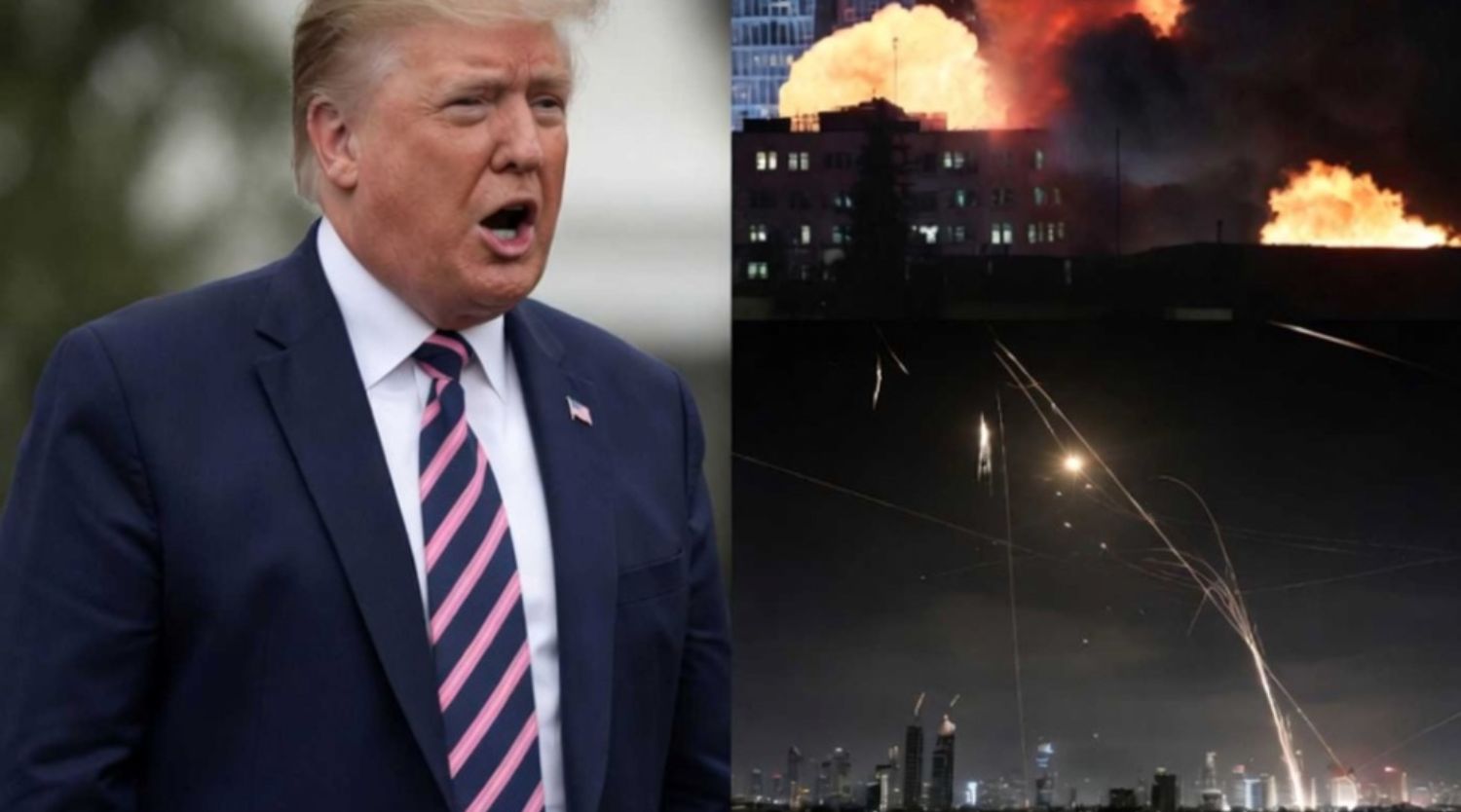
Prime Minister Benjamin Netanyahu has convened multiple high-level security consultations in recent days, including limited cabinet meetings focused on intelligence assessments and operational preparedness. According to reports, the Israel Defense Forces (IDF) have raised alert levels in several formations, with air defense systems on standby and enhanced surveillance operations underway. These include activation of multi-layered defenses such as the Iron Dome, David’s Sling, and Arrow systems.
The current tensions stem from a complex mix of factors. Diplomatic efforts between the United States and Iran appear to have hit roadblocks, prompting discussions of possible renewed military action. Israeli officials are preparing for scenarios that could involve direct or indirect Iranian responses, while simultaneously managing persistent threats from Hezbollah in Lebanon and residual Hamas activity in Gaza.
Northern Front and Proxy Threats
In the north, low-intensity exchanges with Hezbollah continue. The IDF has conducted targeted strikes against militant infrastructure in southern Lebanon, while Israeli communities periodically face rocket and drone alerts. The Home Front Command has adjusted warning protocols in dozens of northern communities, extending alert times to improve civilian safety. Security experts warn that Hezbollah, backed by Iran, retains significant rocket capabilities despite heavy losses in previous rounds of fighting.
Gaza remains another area of concern. Despite a fragile ceasefire framework, Israeli forces maintain expanded security control in parts of the territory to prevent Hamas from regrouping. Netanyahu has stated that operations will continue as necessary to secure the release of remaining hostages and dismantle militant capabilities.
Civil defense advisories have been issued in major population centers, urging residents to stay informed via official channels and review emergency protocols. Public spaces, transportation hubs, and border areas are under increased monitoring. While no immediate large-scale attack has materialized, officials stress that the situation remains fluid.
Diplomatic and International Dimensions
Israeli leadership continues to balance military preparedness with diplomatic engagement. Netanyahu has emphasized coordination with the United States, while maintaining communication with regional partners. International actors, including the United Nations and European governments, have called for restraint and de-escalation to avoid broader humanitarian consequences.
The human toll of prolonged instability is significant. Communities near the Lebanon border and in southern Israel face repeated disruptions, with schools and daily routines affected by security incidents. Humanitarian organizations highlight the need for sustained aid and protection for civilians on all sides of the conflicts.
Analysts point to deeper structural issues driving the volatility: Iran’s nuclear ambitions, proxy networks spanning multiple countries, longstanding territorial disputes, and shifting alliances. Determining precise triggers in the early stages of any escalation remains challenging due to the involvement of both state and non-state actors.
As events unfold, Israeli officials continue to monitor intelligence closely while preparing for various contingencies. The IDF maintains that its forces are ready to defend the country and respond decisively to threats. Global leaders urge all parties to pursue dialogue, though deep-seated rivalries make lasting stability elusive.
The coming days and weeks will be critical in determining whether current tensions subside through diplomacy or escalate into more direct confrontations. For now, Israel remains vigilant, its multilayered defenses active, as the region searches for a path toward sustainable calm.