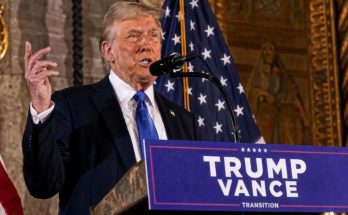
WASHINGTON — A fresh clash between President Donald Trump and large parts of the news media has again put the relationship between the White House and the press at the center of American political debate. The fight is not only about harsh language or competing narratives. It is about who controls the flow of information, what access journalists can expect, and how far the First Amendment goes when an administration prefers to speak for itself.
The Trump White House has doubled down on a strategy of speaking directly to the public. In March 2026 it launched an official mobile app billed as a channel for real-time presidential remarks, speeches, briefings and announcements. The pitch is straightforward: Americans should not have to wait for intermediaries to hear what the president and his team want to say.
That approach has collided with the older model of presidential communication, in which television networks, wire services and newspapers still expect regular briefings, pool access and a chance to question officials on the record. Trump has long argued that major outlets treat him unfairly and get facts wrong. His supporters add that many national newsrooms bring a partisan tilt to coverage of his administration and that alternative media, independent reporters, podcasters and social platforms now give the public other ways to follow events.
Critics of the administration answer that official channels cannot replace independent reporting. A government statement is an account of what officials want known. Journalism, they say, exists to test those claims, talk to sources the White House does not choose, and examine decisions after the cameras leave.
What the Constitution actually protects
The legal starting point is the First Amendment, ratified with the Bill of Rights in 1791. Congress may not abridge freedom of speech or of the press. That rule does not immunize any news organization from criticism. It does not force officials to like the coverage or grant every reporter an interview. Journalists still have to get facts right, explain how they know what they know, and separate news from opinion.
What the amendment does forbid is government suppression of journalism simply because officials dislike the story or the viewpoint. Presidents have always complained about the press. The constitutional question is whether the government uses its power to punish reporting rather than to argue with it.
In practice the relationship is messier than the text. The White House controls briefings, travel pools, interviews and the physical spaces where reporters work. Newsrooms compete for that access while insisting they remain editorially independent. When politics is polarized, the bargain becomes visible and brittle.
Access versus independence
Reporters need officials to do their jobs. Officials need coverage, even when they resent it. The risk on one side is that a newsroom afraid of losing credentials or interviews will soften questions. The risk on the other is that an administration will treat every unflattering story as bad faith and try to freeze out the messenger.
Neither side owns the high ground by default. An administration can fairly demand accuracy and corrections. A newsroom can fairly refuse to treat access as the measure of success. The harder problem is that audiences now get information from many places at once: legacy papers and networks, digital outlets, independent creators, and government platforms that skip the filter entirely. Competition for attention is no longer only among journalists.
Duties on both sides
A free press is not only a constitutional shield. It is also a professional obligation. News organizations are expected to verify, correct serious errors, identify sources when they can, and label commentary as commentary. Government officials remain fair game for scrutiny whether they cooperate or not.
The stakes sometimes leave the realm of press conferences and lawsuits. On Sept. 15, 2026, the Associated Press sued in federal court over restrictions on electronic access to certain immigration-related court records. The wire service argued that the limits delayed reporting and violated the First Amendment. The case is a reminder that fights over journalism and transparency can become legal questions about public records, not just political ones.
Criticism of the press is itself protected speech. So is an administration’s decision to build its own distribution channels. The line the Constitution draws is different: government may not lawfully restrict the press because of the content or viewpoint of its reporting.
Presidents change. Newsrooms change. Technology keeps changing how information moves. The First Amendment’s protection for a free press remains one of the fixed points in that shifting landscape — and the argument over how that protection should work in the age of official apps, fractured audiences and mutual distrust is not going away.