Middle East Tensions Escalate as Reports Emerge of Strikes on Israel
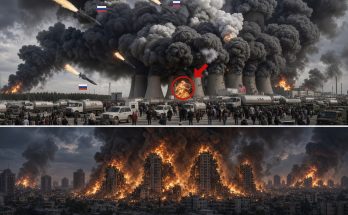
Jerusalem — The Middle East remained on edge in early 2025 as unconfirmed reports circulated of coordinated military strikes targeting Israel, adding to an already volatile regional security situation.
While Israeli officials have not issued a full official confirmation or detailed assessment, multiple sources described explosions and heightened aerial activity in several areas. Intelligence officials are working to verify the origins and perpetrators of the reported attacks. Analysts have pointed to possible involvement by state actors operating through proxies or militant groups seeking to capitalize on ongoing instability.
The incidents come at a precarious time. Fragile ceasefires across the region have broken down in recent months, while long-standing rivalries and shifting alliances have intensified diplomatic strains. Israel, which has faced repeated threats from Iranian-backed groups including Hezbollah in Lebanon, Hamas, and the Houthis in Yemen, now finds itself navigating a complex web of potential adversaries.
Security experts described the current environment as highly unstable, with multiple powers testing boundaries and non-state actors exploiting gaps in regional security. Any confirmed attack on Israeli territory could trigger significant retaliation, potentially drawing in neighboring countries and complicating broader international efforts to contain the violence.
Inside Israeli government and military headquarters in Jerusalem, officials convened urgent briefings to evaluate response options. The immediate challenge lies in distinguishing verified threats from unconfirmed reports and misinformation, which have spread rapidly through social media and regional outlets. Israeli defense forces have increased alertness, with air defenses on heightened readiness.
The broader regional context adds layers of complexity. Iran, Syria, Lebanon, and various militia networks each maintain distinct agendas and capabilities. Intelligence assessments are focused on determining whether the reported strikes represent isolated actions or the start of a wider coordinated campaign. Some observers suggest the timing may reflect attempts to exploit recent political fractures and unresolved conflicts in Gaza, the West Bank, and beyond.
International reactions have emphasized restraint. Several world leaders and diplomats called for de-escalation and urged all parties to avoid steps that could broaden the conflict. However, the burden of assessing the situation and determining an appropriate response rests primarily with Israeli authorities.
Regional borders have seen increased security measures, while major news organizations have shifted to continuous coverage. Civilians across Israel and neighboring areas are monitoring developments closely, with many expressing concern over the potential for further escalation.
The coming hours and days are expected to prove critical. Israel’s response — whether measured or forceful — could shape the trajectory of events. Analysts warn that miscalculation by any side carries substantial risks, including wider involvement of regional and global powers.
As the situation develops, the Middle East once again stands at a sensitive juncture. Whether this episode leads to renewed large-scale conflict or prompts renewed diplomatic efforts remains uncertain. For now, attention remains fixed on Jerusalem and the rapidly evolving security picture across the region.