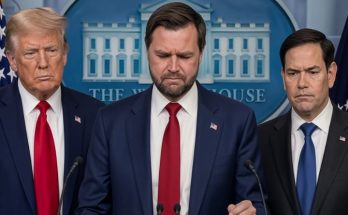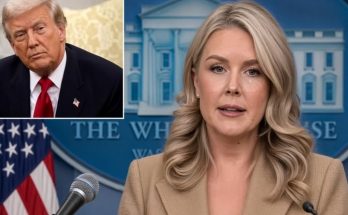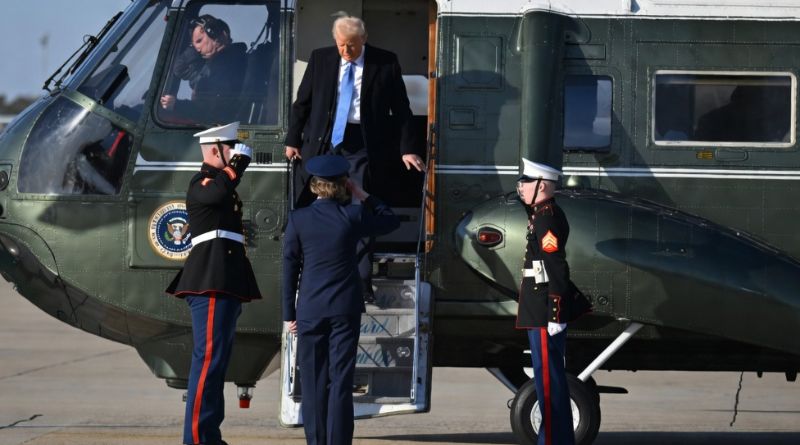
WASHINGTON — President Donald Trump convened a Cabinet meeting at the White House on Wednesday, opting against a planned gathering at Camp David, as U.S. and Iranian negotiators edged closer to a preliminary agreement aimed at ending months of conflict in the Middle East.
Trump expressed cautious optimism about the talks, describing Iran as “negotiating on fumes” while emphasizing that a deal remains within reach. “They want very much to make a deal,” he told reporters. “So far, they haven’t gotten there, we’re not satisfied with it, but we will be. Either that or we’ll have to just finish the job.”
The president highlighted the severe degradation of Iranian military capabilities following U.S. and allied strikes earlier this year. “Their navy is gone, their air force is gone, everything’s gone,” he said, adding that the American public understands Iran cannot be allowed to develop a nuclear weapon. Trump dismissed any influence from upcoming midterm elections, stating, “I don’t care about the midterms.”
The high-level meeting comes amid fragile ceasefire arrangements and recent military friction. U.S. Central Command forces conducted “self-defense strikes” on Monday in southern Iran, targeting missile launch sites and two Iranian boats allegedly laying mines in the strategically vital Strait of Hormuz. Former CENTCOM Commander Gen. Joseph Votel praised the swift response as an “effective use of military force” while stressing the need for continued diplomatic efforts alongside military pressure.
Iran’s leadership structure adds another layer of complexity to the negotiations. With Supreme Leader Mojtaba Khamenei operating as a “designated target” in hiding since his father’s death earlier this year, any final agreement would reportedly require approval through secret courier networks, according to counterterrorism experts. “Khamenei is a designated target, and every confirmed sighting is a coordinate,” Dr. Omar Mohammed told Fox News. “Any deal… will have to be designed for a permanently invisible counterparty.”
Iran is seeking the release of approximately $24 billion in frozen assets as part of the potential memorandum of understanding, according to Tasnim News, an outlet affiliated with the Islamic Revolutionary Guard Corps. Tehran is reportedly demanding $12 billion be released immediately upon announcement of the MOU, with the remainder delivered over a 60-day period.
Despite the tensions, markets appeared to bet on de-escalation. NYMEX crude oil futures hovered around $93.57 per barrel on Tuesday afternoon, down slightly, as investors anticipated the reopening of the Strait of Hormuz.
The framework under discussion would reportedly include unrestricted shipping through the strait, limits on Iran’s nuclear program, and steps toward a more durable ceasefire. While negotiators have made significant progress, Trump has not yet given final approval, and officials caution that sticking points remain. The administration continues to apply maximum pressure while leaving the door open to a diplomatic resolution.