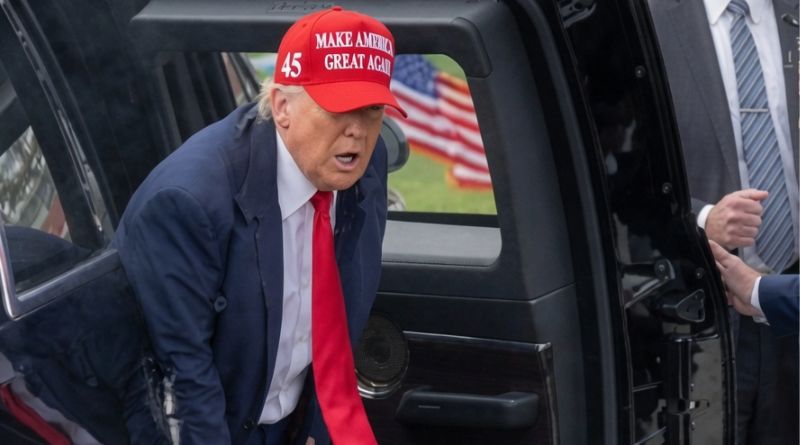
Shock and confusion swept across social media platforms Tuesday as unverified reports claimed that President Donald Trump had been “shot again” in Washington, D.C. Dramatic posts, often accompanied by recycled video footage and sensational captions, spread rapidly, triggering widespread panic among supporters and drawing sharp reactions from critics.
Within hours, however, authorities and major news organizations confirmed the claims were unfounded. No statements from the Secret Service, law enforcement agencies, hospitals, or the White House indicated any new assassination attempt or shooting involving the president. Fact-checkers traced much of the viral content to unverified social media accounts and private groups, where misleading edits of older footage—likely from prior incidents—were repurposed with alarming new headlines to maximize engagement.
The rumor appears to be the latest example of misinformation exploiting public anxiety around high-profile political figures. In the hyper-connected digital age, such hoaxes can amass millions of views in minutes, often outpacing official clarifications.
This latest false alarm is distinct from the well-documented assassination attempts on Trump in recent years. The most prominent occurred on July 13, 2024, at a campaign rally in Butler, Pennsylvania, where a gunman wounded Trump in the ear, killed one attendee, and injured two others. A second attempt followed in September 2024 at his Florida golf club. More recently, in April 2026, shots were fired near the White House Correspondents’ Dinner in Washington, D.C., prompting the evacuation of Trump and top officials, though the president was unharmed.
Misinformation Poses Growing Risks
Security experts and political analysts warn that repeated false reports carry significant consequences. They can overwhelm emergency response systems with panicked inquiries, stoke unnecessary fear, erode public trust in legitimate journalism, and distract resources from real threats. High-profile individuals like Trump remain prime targets for such campaigns, particularly amid ongoing political tensions and election-related sensitivities.
“False alarms like these don’t just confuse the public—they strain the very systems designed to protect us,” said one cybersecurity analyst familiar with online disinformation patterns, speaking on condition of anonymity due to the sensitivity of the topic.
Platforms have faced increased scrutiny for their role in amplifying unverified content. While some accounts were flagged or removed, the speed of dissemination highlights persistent challenges in combating digital falsehoods.
As of Tuesday evening, all verified sources affirm that President Trump has not been involved in any new shooting incident in Washington, D.C., or elsewhere. Officials continue to emphasize the importance of relying on established news outlets and government statements for developments involving national security.
This episode underscores a broader reality: in an environment where a single unverified post can ignite nationwide alarm, verification, patience, and media literacy serve as critical safeguards. As threats—both real and fabricated—persist, maintaining discernment remains essential to preserving informed public discourse.