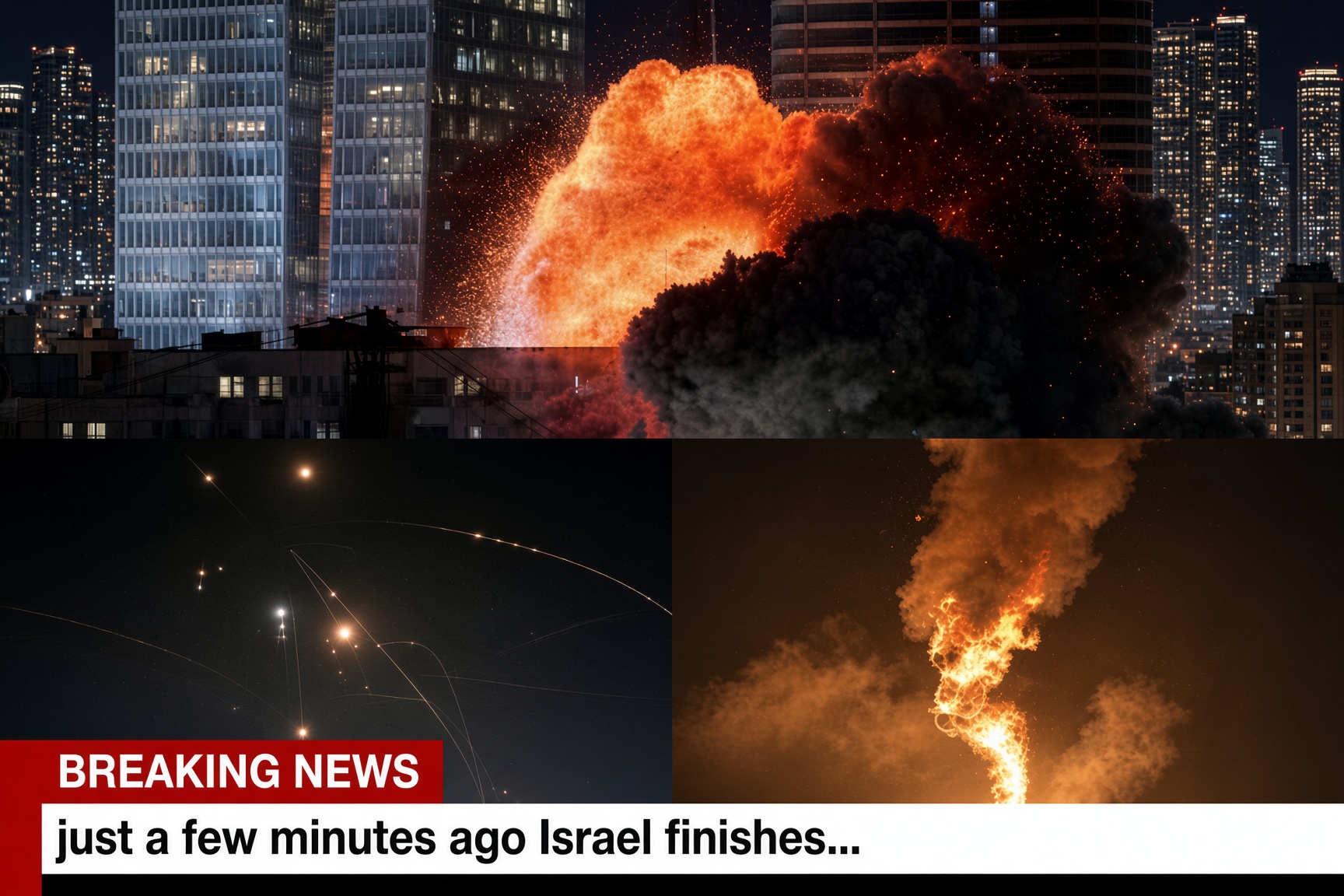
JERUSALEM — Israel is keeping a heightened security posture as officials prepare for possible new developments across a volatile Middle East. Concerns involving Iran, Hezbollah and other actors continue to shape military planning and civilian readiness.
Israeli authorities say they are treating the situation as fluid and potentially expandable. The Defense Ministry has stressed the need to stay ready if fighting spreads beyond current theaters. Officials also say they are working to restock munitions and other supplies while reinforcing air defenses and other protective systems.
Fighting and diplomatic friction persist on several fronts. In southern Lebanon, Israeli forces have remained active around the Ali al-Taher ridge, a position Israel describes as strategically important. The military said Friday that troops had cleared Hezbollah fighters from tunnel networks under the ridge. Lebanese officials, however, said the scale of any Israeli advance was still unclear.
Home-front preparedness remains a central part of the official response. Israel’s emergency system is built to link national ministries, local governments and first responders during both military attacks and civilian crises. The National Emergency Management Authority, known as NEMA, coordinates planning and response across medical care, rescue work, critical infrastructure and public messaging.
The National Security Council also maintains a unit focused on counterterrorism, public safety and home-front readiness. That office is responsible for aligning government agencies if an emergency expands.
Recent events have added to the sense of risk. Iran told the United States that a large Israeli offensive around Ali al-Taher could bring a major retaliatory response, Reuters reported. Hezbollah has likewise warned that a broader Israeli campaign could push the conflict into a new phase.
On Saturday, U.S. and Iranian forces exchanged fire near Iranian waters, according to Reuters, introducing another unpredictable element. Energy markets have reacted as well. Renewed tension has lifted oil prices as traders weigh possible disruption to supplies and shipping lanes.
Diplomacy has not stopped. Governments and international organizations continue to watch the fighting and urge steps that protect civilians and limit further regional instability. For people in Israel and neighboring countries, prolonged alert can affect travel, business, daily routines and access to basic services.
Israeli security agencies are expected to keep readiness high while political leaders weigh military options, diplomatic pressure and humanitarian concerns. Officials say the coming days will depend on whether current clashes remain contained or spread to additional fronts.