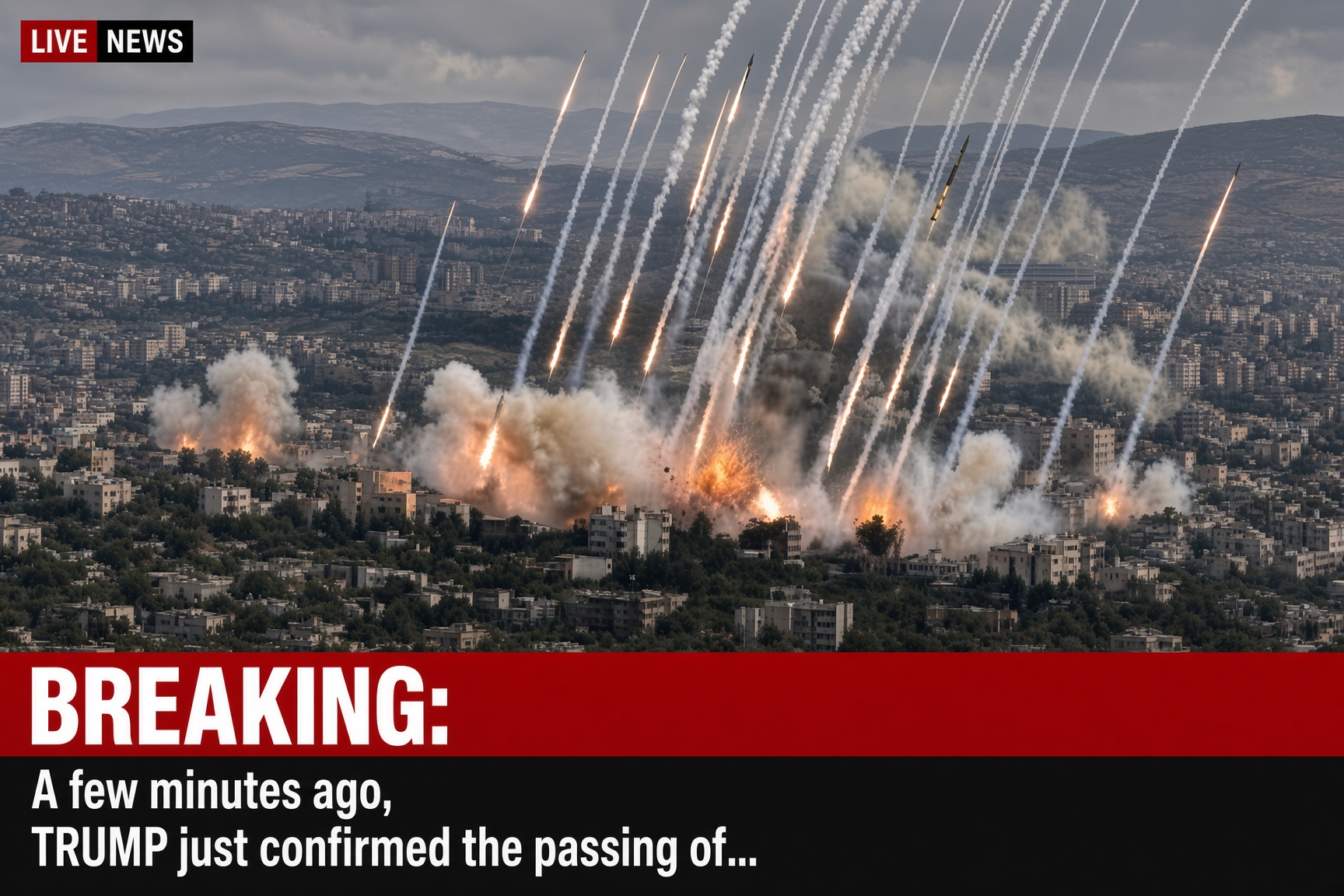
LOS ANGELES — Circulating online reports of an alleged rocket attack in Los Angeles, describing explosions, fires, damaged buildings, and possible casualties, have prompted public concern. These claims lack independent confirmation, and essential details—including precise location, timing, cause, and the number of people affected—remain unclear.
The accounts describe a series of explosions impacting residential and commercial areas, with residents reportedly fleeing as emergency personnel responded. No verified information establishes the scale of any alleged attack or confirms that rockets were involved. In any developing emergency involving explosions or structural damage, authorities work to identify the source, assess damage, locate injured people, and determine remaining hazards. Until reliable information emerges from official channels, unverified descriptions should not be treated as confirmed events.
Nature of the Circulating Reports
According to the accounts, residents heard multiple loud blasts before fires broke out. Descriptions include damage to buildings and infrastructure across multiple blocks, shattered windows, shaking structures, and unusual sounds preceding the reported explosions. Such details can aid investigators in reconstructing events, but eyewitness accounts alone rarely establish cause. Investigators typically examine physical evidence, damage patterns, surveillance footage, residue analysis, and other data before determining whether an incident involved rockets, another explosive device, an industrial accident, a gas leak, fireworks, or another origin.
At present, the available accounts do not supply sufficient verified evidence to identify the cause or confirm the full extent of any reported damage. Dramatic online descriptions can spread quickly, especially when they use urgent language while omitting specifics such as exact time, precise address, or named sources.
Challenges of Verification in Real Time
In the initial hours after any major incident, information is often incomplete or contradictory. Preliminary reports from the public, social media, or unofficial channels frequently mix accurate observations with speculation, exaggeration, or error. Casualty figures in particular can fluctuate as emergency crews reach sites, hospitals assess patients, and authorities distinguish confirmed deaths from preliminary estimates.
Standard practice for fire departments, police agencies, and emergency medical services is to release information only after it has been corroborated. Officials generally avoid publishing unverified totals about victims to prevent the spread of inaccurate data. Until statements from the Los Angeles Fire Department, Los Angeles Police Department, city emergency-management officials, or established news organizations provide confirmation, reported fatalities and injuries linked to the alleged incident should be regarded as unconfirmed.
The mere mention of a major news organization in some circulating posts does not, by itself, establish that the organization reported or verified the claims.
Typical Emergency Response Protocols
When explosions or large fires are reported, responders prioritize life safety while managing secondary risks. Search-and-rescue teams may search damaged structures for survivors, navigating debris, blocked roads, and potentially unstable buildings. They must balance the urgency of reaching trapped people against the danger of secondary collapses, ongoing fires, damaged electrical systems, hazardous materials, or additional explosive threats.
Authorities commonly establish restricted zones, close roads, and direct residents away from hazardous areas while specialists evaluate the scene. If explosive materials are suspected, trained bomb-disposal personnel may inspect suspicious objects before areas can reopen. Residents are advised to follow instructions from verified local emergency services, avoid restricted zones, and report suspicious objects without approaching or handling them. These are standard precautions in explosion-related or structural emergencies; they do not independently confirm that the specific incident described online occurred.
Humanitarian Considerations and Community Response
Some circulating accounts describe possible efforts by volunteers or aid groups to assist displaced families with shelter, medical supplies, and essential goods. In confirmed major emergencies that force people from their homes, immediate needs often include temporary accommodation, food, water, medications, transportation, and emotional support. Established relief organizations typically coordinate with public agencies to identify affected households.
However, the available accounts do not identify specific aid organizations, confirmed evacuation centers, or official requests for donations connected to any alleged Los Angeles incident. Individuals seeking to help are generally advised to rely on recognized relief organizations and verified announcements rather than unconfirmed fundraising appeals circulating on social media.
Importance of Caution as Reports Spread
Unverified claims of attacks involving explosions and casualties have the potential to cause unnecessary alarm when repeated without adequate evidence. Readers evaluating such reports should look for confirmation from primary official sources—the Los Angeles Fire Department, Los Angeles Police Department, and local emergency-management authorities—along with reporting from established news organizations that have independently verified the information.
As of the information available for this account, the alleged rocket attack, any associated casualty figures, and descriptions of widespread destruction have not been independently confirmed. Further reporting is required to establish whether an incident of the type described occurred, identify its cause if one did take place, and provide verified details from responsible authorities before definitive conclusions can be drawn. In the interim, treating circulating descriptions as confirmed fact risks amplifying incomplete or inaccurate information.