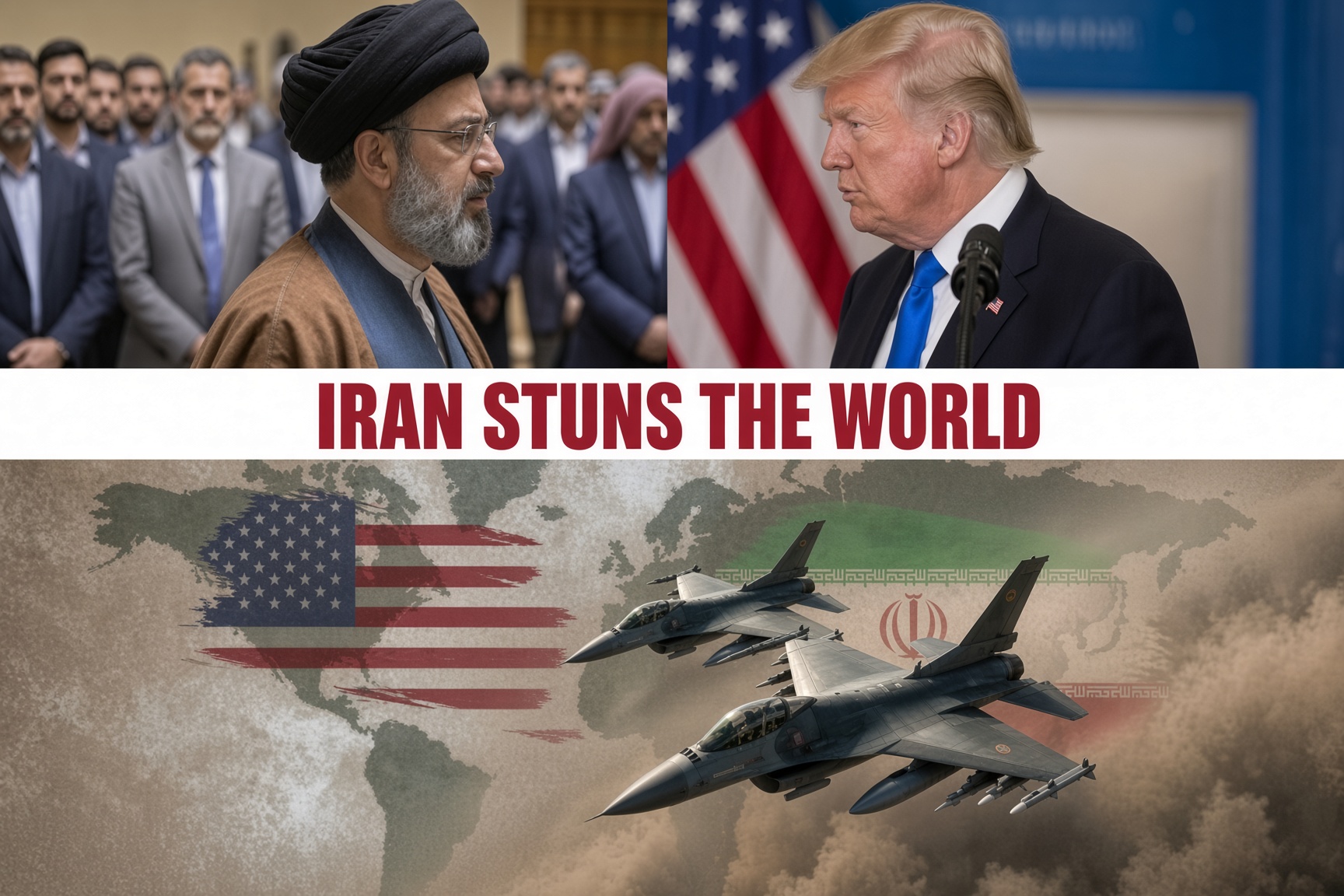
U.S. Central Command said American forces carried out “self-defense strikes” in southern Iran while diplomatic talks continued elsewhere. Military officials described the operation as targeting missile installations and Iranian naval vessels that Washington alleged were preparing to lay mines along key maritime routes. The strikes were framed as necessary to protect U.S. personnel and assets without abandoning the broader cease-fire framework still under discussion.
A senior defense official added that U.S. aircraft and naval forces operating near the Gulf of Oman and the Arabian Sea had faced threats from Iranian surface-to-air missile systems. The reported strikes took place near Bandar Abbas, a major Iranian naval hub. Officials said the action was limited and defensive, intended to deter further mining attempts rather than expand the conflict.
At the same time, negotiations proceeded in Qatar. Iranian Foreign Ministry spokesperson Esmaeil Baqaei said Tehran and Washington had identified areas of common understanding on several issues, though he stressed that no final agreement had been reached. He accused the United States of repeatedly shifting its positions during the talks. President Donald Trump, for his part, insisted that any eventual deal must be “good and proper,” and he again criticized the 2015 nuclear agreement negotiated under former President Barack Obama as too lenient.
A senior U.S. administration official outlined the emerging framework. Iran would be required to eliminate its stockpile of highly enriched uranium, reopen the Strait of Hormuz, and accept significant limits on future enrichment. In return, the United States would lift its naval blockade and begin a gradual easing of economic sanctions. Officials said several major political questions had been settled in principle, but important technical details remained unresolved. These include verification procedures, enforcement mechanisms, and the precise conditions that would govern Iran’s nuclear activities going forward.
Washington has continued to stress that any settlement must be lasting, independently verifiable, and backed by strong enforcement provisions capable of preventing Tehran from exceeding agreed nuclear limits. The Trump administration has argued that recent military pressure has improved its negotiating leverage and raised the chances of Iranian cooperation.
If talks succeed, the resulting agreement could impose tighter restrictions on Iran’s nuclear program than the 2015 accord, extending beyond enrichment to include long-term monitoring, compliance, and enforcement. With military operations and diplomacy unfolding at the same time, however, the outcome remains uncertain. The next rounds of negotiation are expected to determine whether the two sides can lock in a durable deal or risk another cycle of confrontation.