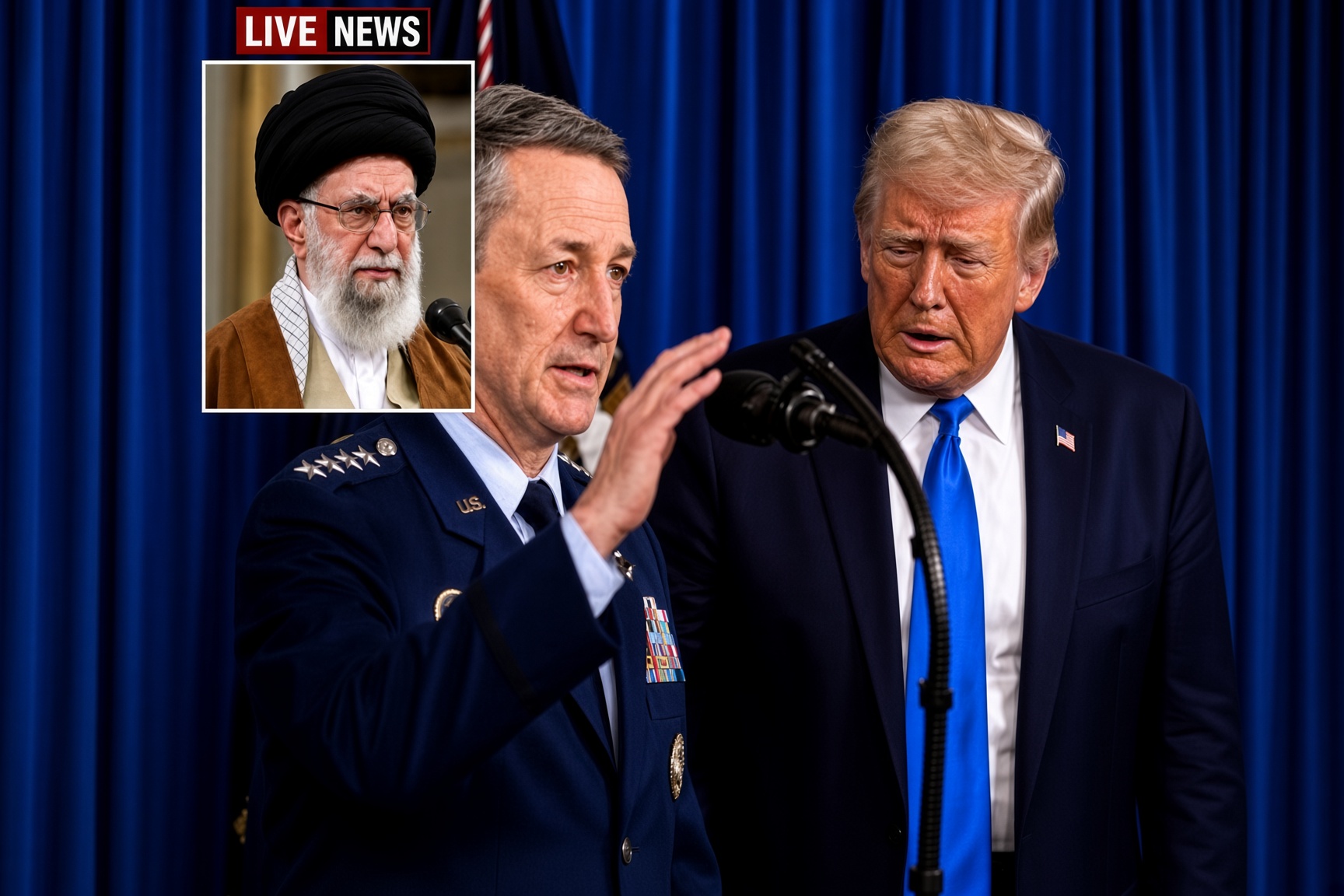
CENTCOM confirmed in two successive statements that U.S. forces successfully intercepted all incoming Iranian ballistic missiles and that American and Saudi fighter aircraft then conducted precision strikes against IRGC-directed terrorist logistics and weapons sites in eastern Iraq. The targets had been linked to more than 30 drone attacks on U.S. and coalition interests in the preceding 72 hours.
The sequence was direct. Iranian forces launched ballistic missiles from Iranian territory at American positions. All were intercepted. U.S. and Saudi aircraft then struck the proxy infrastructure used to plan and support those operations. CENTCOM stated that U.S. forces remain at a high state of readiness and that further attacks would draw further response.
The scale of the campaign that preceded the missile launches is substantial. Between February and April 2026, Iran-aligned militias in Iraq carried out more than 600 attempted attacks on U.S. citizens and facilities. These were not isolated or freelance actions; they formed a sustained, coordinated effort under IRGC direction. The same Iranian-backed networks have continued operations while Tehran has simultaneously pursued negotiations and sought sanctions relief.
Saudi participation marks a notable shift in the regional response. Saudi fighter aircraft flew alongside U.S. planes and struck the same IRGC-directed sites. Riyadh has determined that the IRGC’s campaign against Saudi energy infrastructure crosses a threshold requiring direct military action, and it is conducting that action in coordination with the United States. The joint strikes illustrate an operational coalition against Iranian proxy activity rather than solely basing access or diplomatic statements.
The missile launches followed a specific public warning from President Trump that an attack on a single ship, bridge, or power plant would trigger a response. Rather than test that warning with a limited proxy action, the IRGC launched ballistic missiles at U.S. forces. The answer arrived the same evening: complete interception of the missiles, destruction of related proxy infrastructure in Iraq, and an explicit CENTCOM statement that additional attacks would produce additional strikes.
The episode stands in contrast to the pattern of recent years, during which Iran expanded its centrifuge capacity, funded proxy groups, and directed attacks on American forces while engaging in nuclear talks that served in part as a delay. The current sequence—interception of direct fire from Iranian soil followed by immediate strikes on the supporting network—demonstrates a different approach to deterrence. The IRGC and its proxies have been warned that attacks will be met with both defensive interception and offensive action against the infrastructure used to plan them. The events of that day show the warning is operational rather than rhetorical.