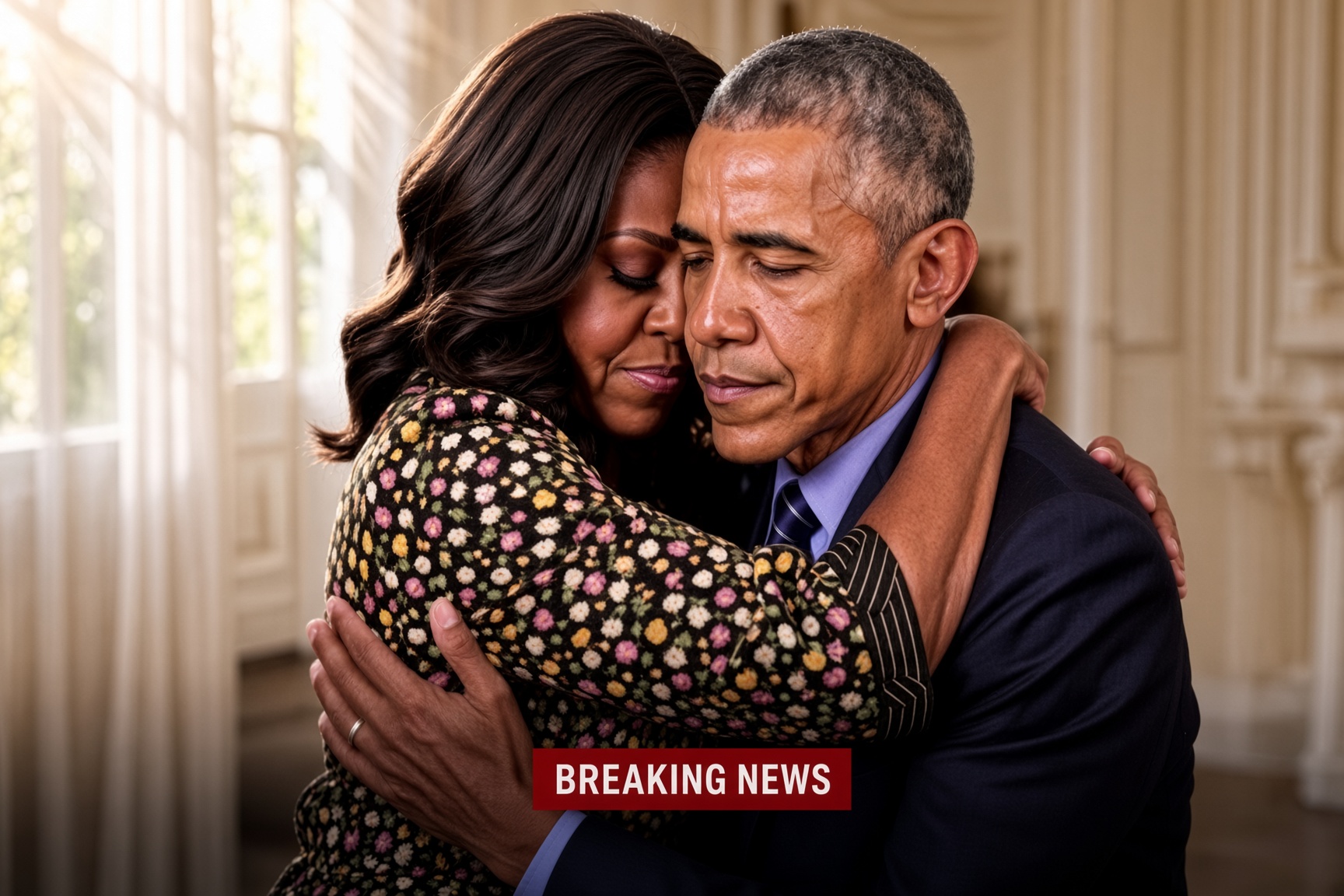
Marian Robinson was the quiet center of the household Michelle Obama knew as a child. She encouraged her children to think for themselves, listened without rushing to judgment, and treated independence as a practical habit rather than a slogan. Family members recalled her gift for cutting through complexity: a single clear observation could make the right choice obvious. When Barack Obama was elected president in 2008, she accepted the invitation to move into the White House. The decision placed a private woman at the center of one of the most scrutinized homes in the country.
She had no interest in a political role or public attention. Her priority was the ordinary stability of her granddaughters, Malia and Sasha. While their parents managed the relentless demands of the presidency, Robinson attended school events, stepped in when schedules collided, and kept ordinary expectations intact. The White House brought security details, formal dinners, and constant observation, yet she supplied the familiar rhythms of family life. Accounts from those years described her walking the city, chatting easily with staff, and occasionally traveling without announcing her connection to the first family. She was respected precisely because proximity to power did not alter her.
Michelle Obama often described her mother as a source of both emotional steadiness and honest appraisal. Robinson was proud of her daughter and son-in-law, but she was unimpressed by status for its own sake. That grounded perspective helped the family absorb praise, absorb criticism, and manage the unusual pressures of those eight years. After the family left the White House, they continued to speak of the work she had done out of public view. Her influence appeared in the values they emphasized—loyalty to family, the importance of education, a sense of service, and the habit of treating people with dignity. She required no podium. She shaped public life by raising children and grandchildren who carried those standards forward.
Her death was first a private loss for those who loved her. The Obamas spoke of the emptiness it left and of the long gift of her presence. Condolences arrived from political figures and from ordinary families who recognized the particular grief of losing a matriarch. At the same time, her life illustrated a wider pattern: history is often sustained by people who never seek its center. While cameras followed presidents and first ladies, she protected the family’s foundation. Her legacy resides in the people she raised, the grandchildren she guided, and the calm she brought to an extraordinary period of American public life.
That story resonated because so many families know a version of it. Grandparents frequently supply childcare, keep traditions alive, speak difficult truths, and offer continuity during upheaval, usually without public credit. Robinson performed those familiar duties inside an unfamiliar setting. The address was historic; the work remained personal—showing up, listening, and keeping children connected to ordinary expectations. The tributes that followed therefore honored more than her residence in the White House. They honored a woman whose steady presence allowed others to meet extraordinary responsibilities. The country learned her name because of the presidency, but her family had known her value long before.