Chicago Weekend Shootings Leave Multiple Dead and Dozens Injured as Trump Renews Call for Federal Help
A violent Juneteenth weekend in Chicago left at least six people dead and 39 others shot across a series of incidents, according to police tallies compiled by early the following week. The bloodshed included a mass drive-by shooting in the city’s Princeton Park neighborhood on the South Side that injured 13 people on Friday night.
Chicago police said two suspects inside an SUV pulled up on a crowd near West 95th Street and South Wentworth Avenue around 11 p.m. and opened fire before fleeing. Officers found multiple victims at the scene; others arrived at hospitals on their own. Victims ranged in age from 17 to 47. Police recovered more than 100 shell casings from the area. All shootings remained under investigation, with no immediate arrests reported in the Princeton Park case.
Democratic Mayor Brandon Johnson responded on X, writing that he was “heartbroken by the violence in Princeton Park last night. What should have been a night of celebration and community reflection for Juneteenth was shattered by a horrific act of violence. My thoughts and prayers are with the victims and their loved ones.”
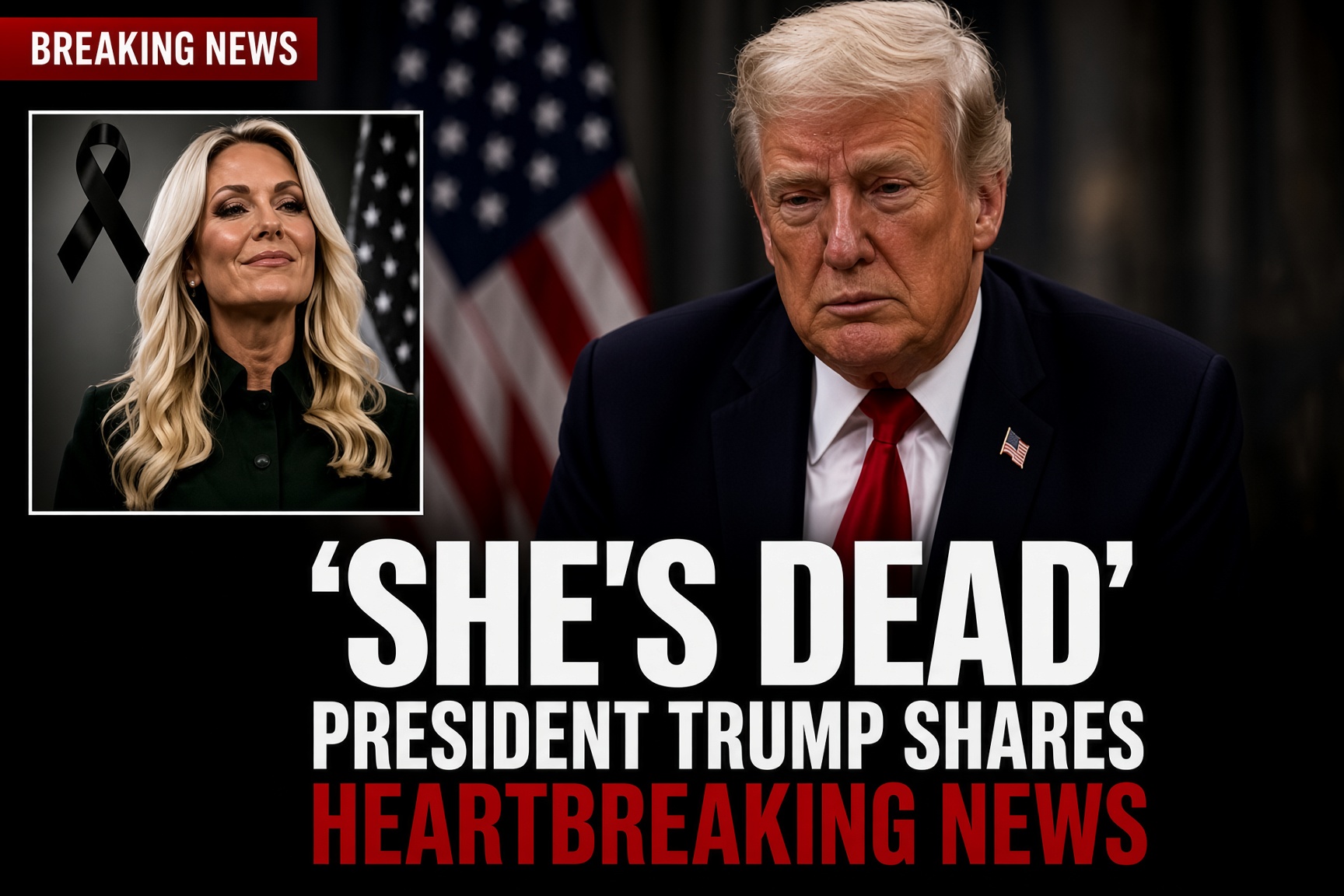
President Donald Trump weighed in early Sunday on Truth Social while preliminary figures were still rising. “Lots of Killing going on in Chicago. 22 people shot, at least 4 Dead. Why isn’t Governor Pritzker calling me for help. I could make Chicago a safe City in ONE MONTH, in ONE YEAR, it would be one of the safest!!! D.C. went from one of the worst, to one of the safest cities in the U.S. President DJT,” he posted. Official counts later climbed well above those early numbers. Illinois Gov. JB Pritzker, a Democrat who has previously rejected offers of National Guard or federal intervention in Chicago, did not immediately seek such assistance.
The episode renewed attention on Trump’s earlier deployment of hundreds of National Guard troops and federal agents to Washington, D.C., in an effort to reduce crime in the capital. That operation has become politically charged amid subsequent revelations about the reliability of the city’s crime data.
An internal Metropolitan Police Department investigation, later examined by the House Oversight Committee and federal prosecutors, found that senior officials allegedly reclassified serious offenses—such as assaults and robberies—into lesser categories. The practice reduced the number of violent crimes appearing in public statistics. At least 13 officials faced termination or discipline. Among those implicated were Second District Commander Tatjana Savoy and former Third District Commander Michael Pulliam, who had been suspended the prior year after initial allegations of reclassification. A lengthy internal affairs report described pressure from leadership under former Chief Pamela Smith to produce lower crime numbers, with some commanders citing a “culture of fear.” One captain admitted intentionally downgrading hundreds of reports. U.S. Attorney Jeanine Pirro’s office separately reviewed cases and upgraded certain assault and firearms charges that local authorities had undercharged.
Critics of the city’s reporting said the altered statistics created a misleading picture of improving safety that city and national Democratic officials cited even as residents continued to report carjackings, robberies, and assaults. Supporters of the data noted overall long-term declines in some categories before the scrutiny intensified. The scandal has fueled debate over how accurately official figures reflect street-level conditions and how those figures shape policy and resource decisions.
Chicago police continued investigating the weekend’s shootings as political leaders traded statements over responsibility and possible federal involvement. The Princeton Park drive-by, occurring during a Juneteenth gathering, underscored the persistence of gun violence in parts of the city despite local efforts to address it.