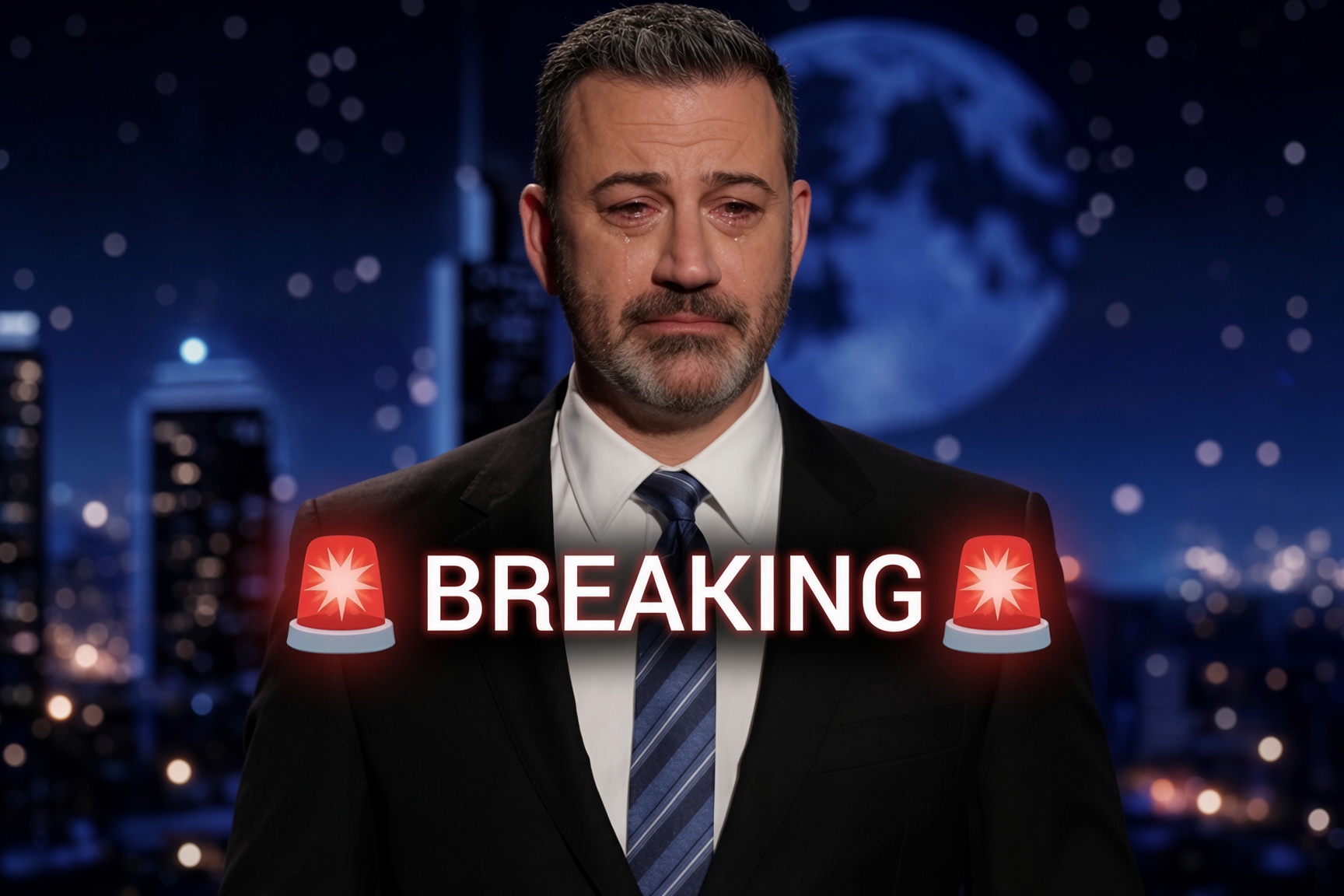
What began as a late-night joke rapidly escalated into a national controversy. Just two days after Jimmy Kimmel made an “expectant widow” remark about Donald Trump, gunfire was directed at the former president. The earlier comment was immediately thrust back into the spotlight, sparking widespread outrage and renewing debate over the boundaries of political comedy.
Trump condemned the remark, and Melania Trump also addressed the controversy publicly. Their responses amplified the backlash, with critics arguing that the joke crossed a line at a moment of heightened political tension. The timing, rather than the joke alone, turned a routine bit of late-night satire into a flashpoint.
On air, Kimmel acknowledged that the proximity of his comment to the shooting made the joke especially troubling. He maintained, however, that his words were intended as commentary on Trump’s age, political power, and public image—not as a prediction or celebration of violence. Kimmel stressed his long-standing criticism of gun violence and gun culture, rejecting the idea that a television monologue could be held responsible for an act of violence. He drew a clear distinction between offensive political satire and an actual attack, and he pushed back against calls for extreme public condemnation.
Kimmel also widened the discussion beyond his own remarks. He pointed to the increasingly hostile tone of American political discourse, arguing that public figures across the political spectrum have contributed to an environment filled with insults, personal attacks, and violent rhetoric. In his view, the controversy reflected a broader problem rather than an isolated comedian’s misstep.
The dispute quickly outgrew one punchline. It raised questions about accountability, the limits of political speech and satire, and the responsibilities of public figures when tensions are already high. For supporters and critics alike, the episode illustrated how swiftly a joke can become part of a much larger national conversation when politics, violence, and media collide. The incident intensified calls for greater caution, even as debate continued over where the line between satire and harmful rhetoric should be drawn in a polarized climate.